How to Choose the Right Running Shoes for Road and Trail in the Tarkine
Stop buying “good” shoes that hurt. A practical road vs trail checklist: fit, drop, grip, cushioning—plus quick picks by runner type.
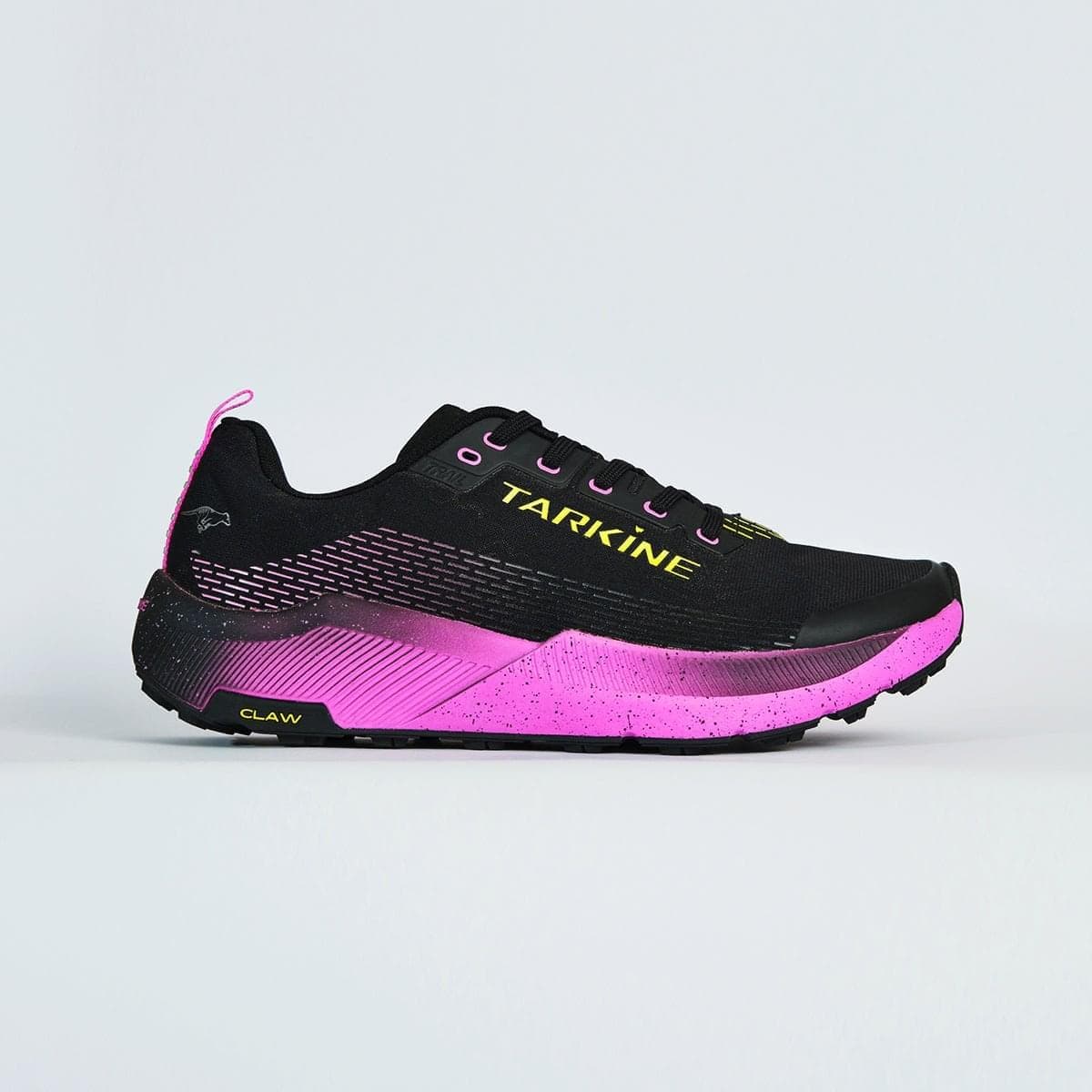
First, be honest about where you run (most of the time) in the Tarkine
- First, be honest about where you run (most of the time) in the Tarkine
- Road shoes vs trail shoes, what is actually different in the Tarkine
- The single most important thing: fit, not the label
- Cushioning, how much is enough
- Heel to toe drop, the number people overthink in Tarkine
- Stability, do you need it
- Traction and lugs, match the shoe to the terrain
- Rock plate, toe protection, and why your feet will thank you
- One shoe or two shoes, the honest answer
- How to test a shoe quickly before committing
- When to replace running shoes (road and trail)
- A simple recommendation framework for Tarkine you can actually use
- FAQ: Choosing Running Shoes for Road and Trail in the Tarkine
Buying running shoes sounds simple until you actually start shopping, especially if you’re considering options suitable for trails in areas like the Tarkine.
Because one minute you are thinking, I just need something comfortable. And then suddenly you are comparing heel drop numbers, foam names, stack heights, outsole rubber compounds. Someone is telling you a trail shoe will save your ankles. Someone else is saying trail shoes are heavy and slow. And you are standing there like. I just want to run without my feet hating me.
The unique terrain of the Tarkine demands specific features in your footwear to ensure both comfort and support.
If you’re considering running in the Tarkine, the lush landscapes might influence your shoe choice even more.
So yeah. Let’s make it simple.
This is a practical guide to choosing the right running shoes for road and trail. Not “the best shoe”, because there isn’t one. There is just the shoe that fits your body, your routes, and your actual weekly mileage. Whether you’re navigating city streets or the rugged paths of the Tarkine, it’s essential to find the right fit.
First, be honest about where you run (most of the time) in the Tarkine
A lot of people overbuy for the fantasy version of their running.
Like. You ran one muddy trail last month and now you are buying an aggressive lugged trail shoe that feels like a hiking boot on pavement.
Try this instead. Think about your last 10 runs.
- How many were mostly pavement, sidewalk, bike path, treadmill.
- How many were dirt, gravel, rocky, muddy, rooty.
- How many were mixed, like pavement to trailhead, then trail, then back.
If 7 out of 10 runs are road. You are a road runner who occasionally runs trails. Start with a road shoe, or a road to trail hybrid.
If 7 out of 10 runs are trail. You are a trail runner. Get a trail shoe first, and maybe a road shoe later if you do recovery runs on pavement.
If it is truly 50 50, you have two paths.
- Two shoes, one road and one trail. This is the easiest way to stay comfortable and make shoes last longer.
- One “door to trail” shoe that can handle both. Not perfect at either, but convenient.
That decision alone cuts the confusion in half.
Road shoes vs trail shoes, what is actually different in the Tarkine
The marketing makes it sound like they are completely different species. In reality, the differences are pretty specific.
Road shoes
Road shoes are built for predictable surfaces.
They usually have:
- Smoother outsoles, more continuous rubber coverage for pavement grip.
- Softer cushioning that feels good on repetitive impact.
- Lighter uppers, more breathable.
- Less protection from sharp rocks because, well, roads do not have sharp rocks.
Trail shoes
Trail shoes are built for uneven surfaces and debris.
They usually have:
- Lugs on the outsole for dirt and mud traction.
- More durable uppers and toe protection.
- A more stable platform, sometimes firmer foam, so you do not feel wobbly on rocks.
- Sometimes a rock plate to protect your foot from sharp points.
Trail shoes can feel great on trails and kind of clunky on roads. Especially the aggressive ones.
So the goal is not “trail shoes are better”. The goal is “use the right tool for the surface you actually run”.
The single most important thing: fit, not the label
You can get the “perfect” shoe on paper and still hate it if the fit is off.
Here is a basic fit checklist that works for both road and trail:
- Toe room: you want about a thumb’s width between your longest toe and the front of the shoe. Downhill trail running makes toes slam forward, so toe room matters more on trail.
- Width: your forefoot should not feel pinched. If you feel pressure on the sides of your big toe or pinky toe, that is a red flag.
- Heel hold: your heel should feel secure with minimal slipping. Not locked in like a ski boot. Just not sliding.
- No hot spots standing still: if you feel rubbing in the store, it will be worse at mile 4 when your feet swell.
A quick note on sizing. Many runners go up half a size from casual shoes. Not always. But often. And feet can swell on long runs, in heat, or at altitude. Trail runners especially notice this.
If you can, try shoes later in the day. Your feet are usually slightly larger then. More realistic.
Cushioning, how much is enough
People get weirdly extreme about cushioning. Either they want maximum foam like a marshmallow, or they want “minimal” because they think it makes them tougher.
Most runners do best in the middle. Enough cushion to keep legs feeling decent, not so much that you lose control on uneven ground.
For road
Road is repetitive impact. Cushioning is your friend.
- More cushion can help for long runs, higher weekly mileage, heavier runners, or just people who prefer comfort.
- Moderate cushion is often the sweet spot for daily training.
- Less cushion can feel snappy, lighter, and more connected to the ground, but it is not automatically better.
For trail
Cushioning is tricky because the surface already has some give, and you need stability.
- If the trails are smooth dirt and gravel, you can go more cushioned.
- If the trails are technical, rocky, rooty, off camber, too much soft cushion can feel unstable.
So for trail, prioritize stability and protection first, then cushion.
Heel to toe drop, the number people overthink in Tarkine

Heel drop is the height difference between heel and forefoot, usually in millimeters.
Common ranges:
- Low drop: 0 to 4 mm
- Medium drop: 5 to 8 mm
- High drop: 9 to 12 mm
There is no magic drop that prevents injuries for everyone. But drop can change what you feel.
- Higher drop often feels easier on calves and Achilles, especially if you are used to it.
- Lower drop can increase load on calves and Achilles, especially if you switch too fast.
If you have been running in a 10 to 12 mm drop shoe for years, jumping to 0 mm because someone on the internet said it is “natural” is a classic way to get sore calves for two weeks. Or worse.
If you want to change drop, do it gradually. Rotate shoes. Short runs first. Let your tissues adapt.
Stability, do you need it
There is “stability” as a shoe category, and then there is stability as a feeling. They are related, but not identical.
Road stability shoes
Some road shoes have features intended to reduce excessive inward roll. Wider bases, firmer foam on one side, guide rails, that kind of thing.
You might consider a stability leaning shoe if:
- You consistently feel like your ankles collapse inward.
- You have a history of overuse issues that improved in stability shoes.
- You are heavier, tired, or doing long runs and you notice form gets sloppy.
But you do not need a stability shoe just because you “pronate”. Almost everyone pronates some. That is normal.
The better approach is to buy what feels stable and comfortable under your foot. Then strengthen over time.
Trail stability
Trail shoes are often naturally more stable because they have:
- Lower, wider platforms
- Firmer midsoles
- More structured uppers
If you are running technical trails, a stable platform matters more than fancy motion control features.
Traction and lugs, match the shoe to the terrain
Lug depth is basically how aggressive the outsole is. More lug means better bite in mud and loose dirt, but worse feel on pavement.
A simple way to choose:
- Light lugs (2 to 3 mm): door to trail, hard packed dirt, gravel, some pavement.
- Medium lugs (4 to 5 mm): mixed trails, loose dirt, moderate mud.
- Deep lugs (6 mm and up): soft ground, mud, steep slick trails. Overkill for most people.
Also, rubber compounds matter. Some trail shoes use sticky rubber that grips rock well, especially in dry conditions. Others focus on durability.
If you run rocky trails, prioritize grip on rock. If you run mostly dirt and gravel, you do not need super sticky rubber.
Rock plate, toe protection, and why your feet will thank you
On trail, protection features are not fluff.
If you run on rocky terrain or sharp roots:
- A rock plate can reduce that bruised feeling underfoot.
- A reinforced toe bumper can save you from toe stubs. And you will stub your toes at some point. Everyone does.
If your trails are smooth, you can go lighter and more flexible. But if you are unsure, some protection is usually worth it.
How much toe room should running shoes have in the Tarkine?
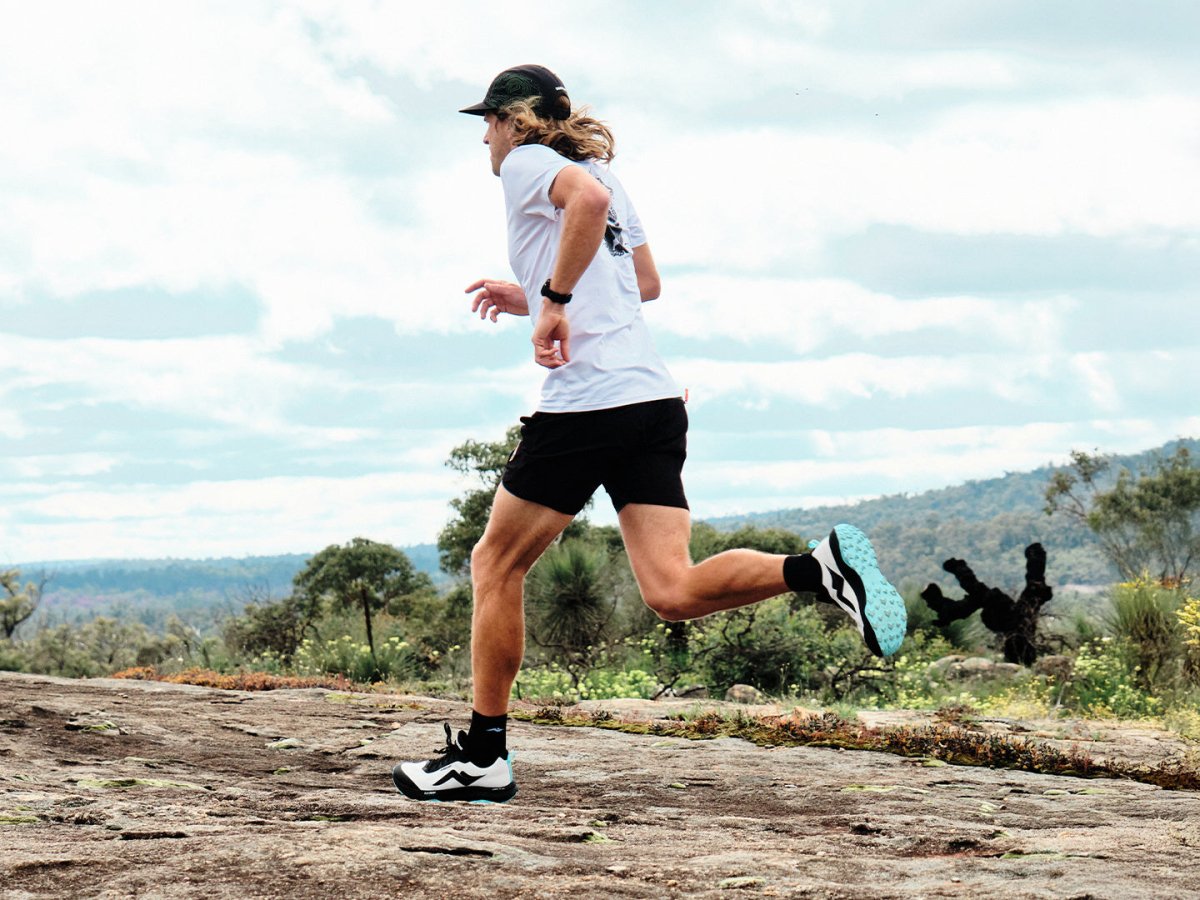
If you run from your door to a park trail and back, a dedicated trail shoe can feel annoying on the road miles. And a dedicated road shoe can feel sketchy on dirt when it is wet.
This is where door to trail shoes shine.
They usually have:
- Road like cushioning
- Mild lugs
- A stable enough platform for dirt
- A smoother ride on pavement than most trail shoes
They are not amazing in deep mud or on technical rock gardens. But for mixed routes, they are genuinely practical.
One shoe or two shoes, the honest answer
If you can afford two pairs, it is usually better.
You get:
- Better traction and protection on trail days
- Better comfort and efficiency on road days
- Longer life from each pair because you rotate
But if you want one pair only, pick based on where you run most, and accept the tradeoffs.
- Mostly road with occasional easy trails: road shoe or door to trail.
- Mostly trail: trail shoe with moderate lugs, not the most aggressive unless you really need it.
How to test a shoe quickly before committing
If you are in a store:
- Put them on and lace them properly, snug but not cutting circulation.
- Walk briskly, then jog if allowed.
- Try a few sharp turns. Trail shoes should feel secure laterally.
- Check heel slip. A tiny bit is okay, but it should not feel loose.
- Pay attention to any pressure points immediately.
If you are buying online, look for retailers with good return policies. Ideally, you can try them indoors on clean floors and return if they feel wrong.
Also, do not ignore lacing tricks. Heel lock lacing can fix minor heel slip. Different lacing patterns can relieve top of foot pressure. Sometimes the shoe is fine, and the lacing is the problem.
When to replace running shoes (road and trail)
This is messy because it depends on your weight, stride, terrain, and the shoe.
A general range:
- Road shoes: often 300 to 500 miles, sometimes more
- Trail shoes: often 250 to 500 miles depending on abrasion and outsole wear
Replace them sooner if:
- The midsole feels dead, like the bounce is gone.
- You start getting weird aches that disappear in newer shoes.
- The outsole is worn smooth in key areas.
- On trail shoes, lugs are rounded off and you are slipping more.
One more thing. Trail uppers can tear before the midsole dies if you run technical terrain. That can be the deciding factor too.
A simple recommendation framework for Tarkine you can actually use
If you want a quick way to decide without spiraling.
Pick your primary surface
- Road: road shoe
- Trail: trail shoe
- Mixed: door to trail or two shoes
Pick your terrain difficulty
- Road: smooth vs broken pavement
- Trail: smooth dirt vs rocky technical vs muddy
Pick your comfort preference
- Plush cushion vs moderate vs firm and responsive
Then prioritize fit
If it does not fit, none of the other choices matter.
That is it. Seriously.
FAQ: Choosing Running Shoes for Road and Trail in the Tarkine

How do I know if I should buy a road shoe or a trail shoe?
Look at your last 10 runs. If most are on pavement, start with a road shoe. If most are on dirt, rocks, and trails, start with a trail shoe. If it is genuinely mixed, consider a door to trail shoe or two pairs.
Can I use trail running shoes on the road in Tarkine?
Yes, but it depends on the trail shoe. Mild lugs and flexible designs are fine for short road sections. Aggressive lugs and stiff protective trail shoes can feel heavy and awkward on pavement, and they wear down faster.
Can I use road running shoes on trails?
On smooth, dry dirt or gravel, usually yes. On rocky, muddy, or technical trails, road shoes can slip and can leave your feet feeling beat up because they lack traction and protection.
What is a “door to trail” running shoe?
A hybrid shoe designed for mixed routes. It runs comfortably on pavement but has enough traction and durability for light to moderate trails.
Do I need a rock plate in trail shoes?
Only if you run on rocky or rooty terrain where sharp impacts underfoot are common. For smooth dirt trails, a rock plate is optional and sometimes just adds stiffness you do not need.
Should I buy stability shoes if I overpronate?
Not automatically. Many runners pronate and do fine in neutral shoes. If you feel unstable, have recurring issues that improve with stability shoes, or prefer a more guided feel on long runs, stability options are worth trying.
How much toe room should running shoes have?
About a thumb’s width in front of your longest toe. For trail running, slightly more room can help, especially for downhill sections where toes slide forward.
How often should I replace my running shoes?
Often around 300 to 500 miles for road shoes, and 250 to 500 miles for trail shoes. Replace sooner if cushioning feels dead, traction is gone, or you start getting new aches that disappear in fresher shoes.
READ MORE: trendyber.com
Recommended for you
 How to Style Christian Streetwear for Men: 5 Outfits That Work
 Thank God Review 2026: Is Christian Streetwear Worth $60?
 Best Christian Streetwear for Men in 2026: Top Faith Brands
 How to Choose Running Shorts: Inseam, Liner & Fabric Guide for Men
 Mier Sports Review 2026: Affordable Running Gear Worth Every Dollar
 Best Men’s Running Shorts 2026: The Complete Buyer’s Guide