18k Gold-Plated Jewelry: A Buying and Care Guide
Gold-plated jewelry looks like solid gold at a fraction of the cost — but plating, base metal, and care routine all decide how long it actually lasts. Here's the honest breakdown.
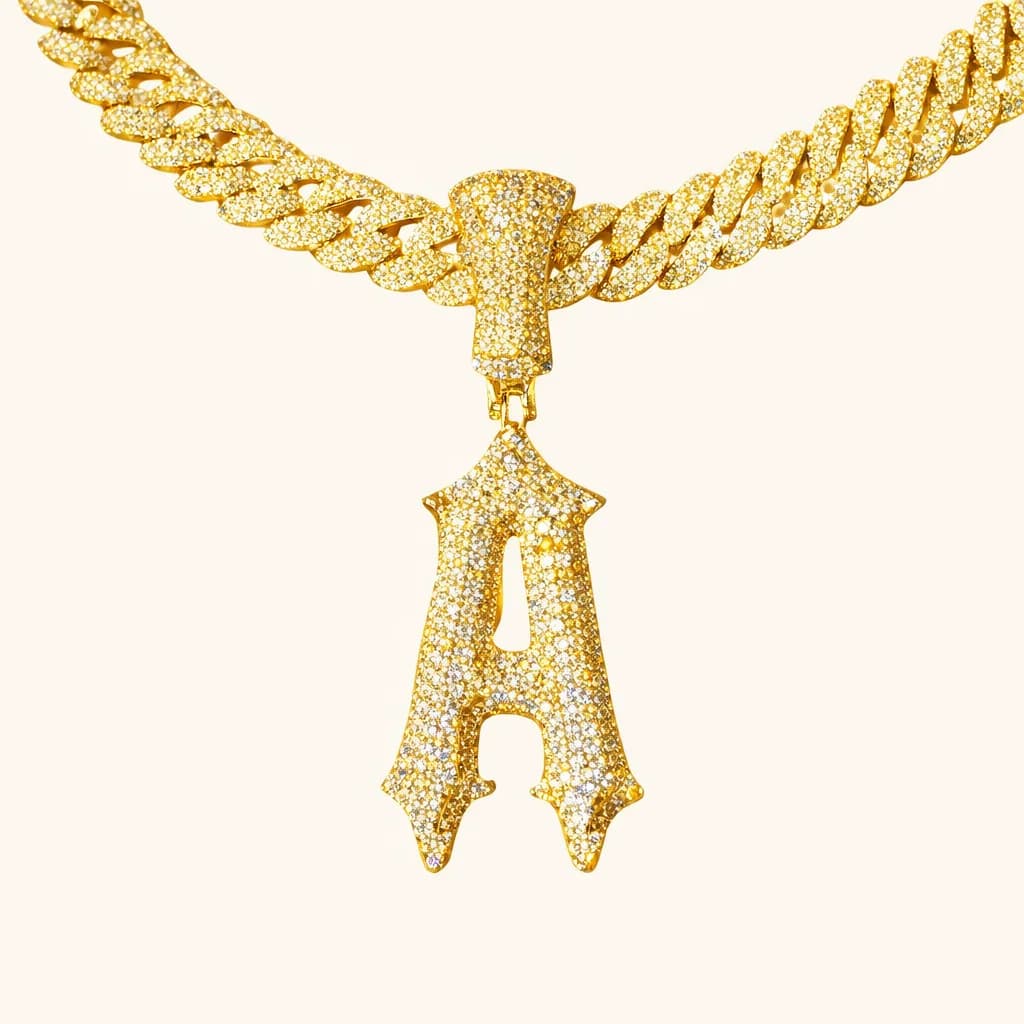
What is gold-plated jewelry, exactly?
Gold-plated jewelry gives you the warm, high-shine look of real gold at a fraction of the cost of solid gold — but not all plated pieces are built the same, and knowing what's underneath the shine changes how long a piece will actually last on your neck or wrist.
Gold-plated jewelry is a thin layer of real gold electroplated onto a base metal — it's not solid gold and not gold-filled, but a well-made piece on a corrosion-resistant base like stainless steel can still be a smart everyday choice.
The honest version: gold-plated jewelry is not a lesser version of gold-filled or solid gold, it's a different category with its own trade-offs — and the base metal, plating quality, and how you care for it decide whether that trade-off is worth it.
Check current stylesWhat you'll learn
- What "18k gold-plated" actually means on a product label
- How gold-plated compares to gold-filled, gold vermeil, and solid gold
- Why the metal underneath the plating (stainless steel vs brass) changes how the piece holds up
- A realistic care routine that extends the life of any plated piece
- How to pick chain lengths and layer pieces once you've chosen your metal
What is gold-plated jewelry, exactly?
Gold-plated jewelry is a base metal piece with a thin layer of real gold applied through electroplating — an electric current bonds gold ions to the surface of the item. The result looks like solid gold at a glance, but the gold itself is a microscopic coating rather than the structure of the piece.
Brands describe this differently depending on how they build the piece. Gogo Lush, for example, states its jewelry is stainless steel dipped in real 18k gold plating — explicitly not gold-filled. That distinction matters, because "18k gold plated" tells you the purity of the gold used, not how thick the coating is or what's underneath it.
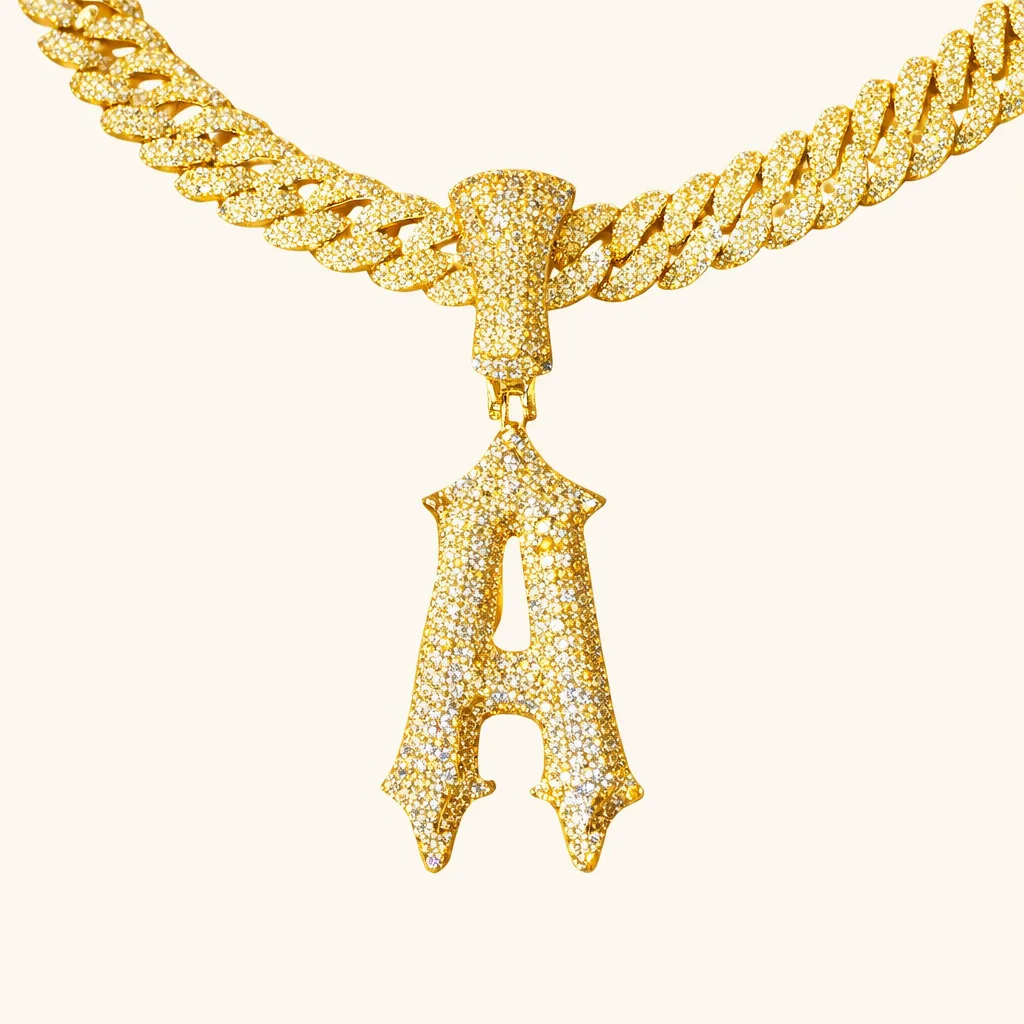
Two numbers decide how a plated piece performs: the karat of the gold (purity) and the microns of plating (thickness). A high karat with a thin coating still wears faster than a lower karat applied thickly — so "18k" alone doesn't guarantee durability without knowing the thickness and the base metal.
Gold-plated vs gold-filled vs vermeil vs solid gold
These four terms get used loosely in jewelry marketing, but they describe genuinely different construction methods with different gold content, cost, and durability. Here's how they actually compare.
| Type | Gold content | Typical lifespan | Base material |
|---|---|---|---|
| Gold-plated | Electroplated coating, ~0.5–2.5 microns, no strict federal minimum | 6 months–2 years with regular wear | Brass, copper, or stainless steel |
| Gold vermeil | FTC minimum 2.5+ microns of gold | Longer than standard plating, still a coating | Sterling silver (required by FTC definition) |
| Gold-filled | FTC minimum 5% of total weight in gold, 50–100x more gold than plated | 10–30 years with normal care | Brass or other base metal core |
| Solid gold | 100% gold alloy throughout (e.g. 10k–24k) | Decades, doesn't wear through | None — gold is the structure |
The practical takeaway: gold-filled outlasts gold-plated because it physically contains far more gold — 50 to 100 times more, by FTC-referenced industry standards. Gold-plated jewelry is not meant to compete with gold-filled or solid gold on lifespan; its value is in accessible pricing and a wider range of styles, not longevity claims it can't back up.
Why the base metal underneath the plating matters
Because the gold layer on plated jewelry is thin, what happens when it eventually thins with wear depends almost entirely on the metal underneath. This is where a lot of budget plated jewelry disappoints — and where the base metal choice actually matters more than most buyers realize.
Cheap plated jewelry is usually built on brass or copper. Once the gold coating wears at friction points (clasps, inner curves, the underside of pendants), the exposed base metal can tarnish, discolor, or react with skin. Stainless steel behaves differently. 316L surgical-grade stainless steel is made of iron with 16–18% chromium, 10–14% nickel, and 2–3% molybdenum, and the chromium forms a protective oxide layer that blocks metal ions from reaching skin, which is what makes 316L hypoallergenic even for people with nickel sensitivities.
Solid stainless steel pieces are inherently waterproof, tarnish-resistant, and hold up to sweat, swimming, and daily wear better than gold-plated or sterling silver alternatives — which is exactly why plating a gold layer onto a stainless steel base (rather than brass) gives a more forgiving foundation once the coating naturally thins. It won't make gold-plated jewelry last as long as solid gold, but it does mean the base underneath is less likely to irritate skin or corrode if the plating wears unevenly. If you want to see this base-metal logic applied to men's chains specifically, our stainless steel chains guide breaks down how solid stainless steel chains compare to plated ones for daily wear.
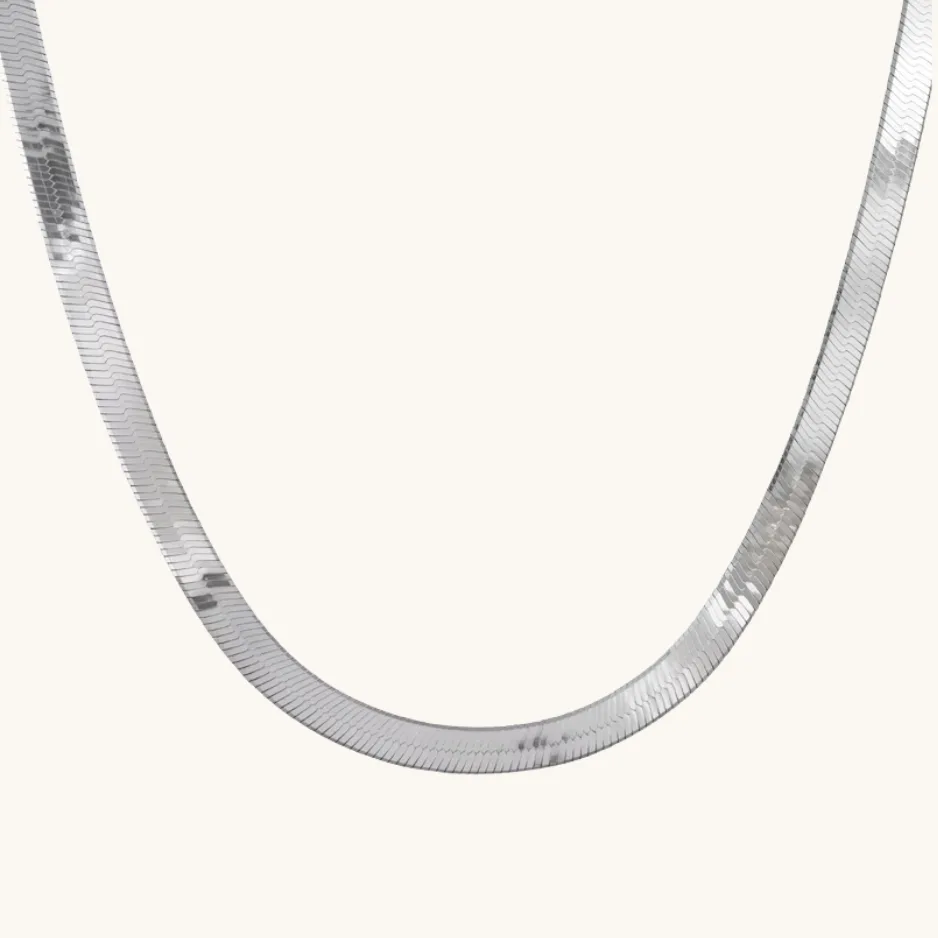
Who gold-plated jewelry is actually for
Gold-plated jewelry earns its place in a jewelry box for a specific set of reasons — it's not the right call for an heirloom piece you want to hand down in 30 years, but it's a smart, honest choice for a few common situations.
- Everyday rotation pieces — stacking rings, layered necklaces, and stackable bracelets you want in multiple styles without solid-gold pricing on every piece.
- Sensitive skin — a plated piece on a hypoallergenic base like 316L stainless steel avoids the nickel exposure that causes reactions with lower-grade alloys.
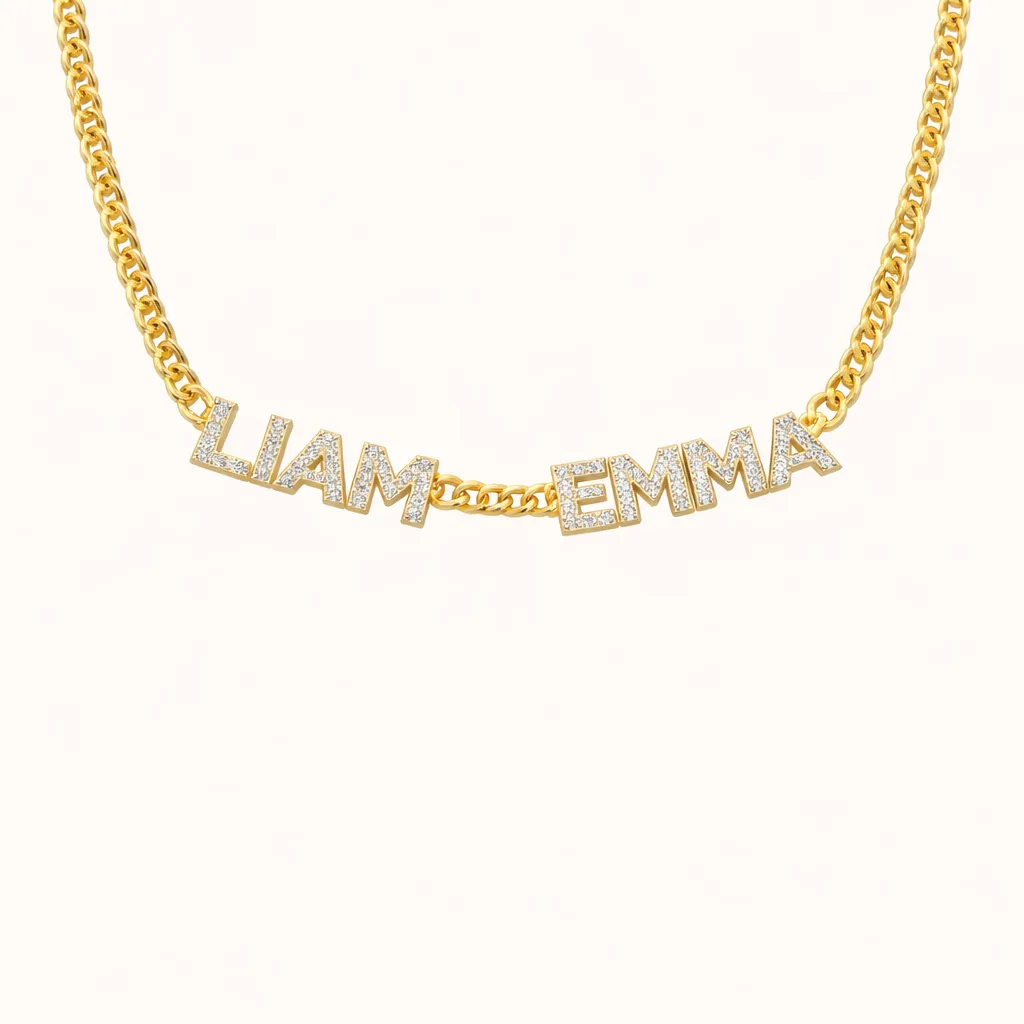
- Gifting and personalization — personalized name and initial necklaces are a popular gift for birthdays, anniversaries, and meaningful dates, and plated pieces make that customization accessible across many styles.
- Men's everyday chains — a plated Cuban link or pendant chain gives the gold look for daily wear without the insurance concerns of a heavier solid-gold chain.
Gogo Lush leans into this positioning directly: the brand's stated mission is to inspire self-love and confidence through personalized, wearable jewelry, and its catalog spans extensive personalization options — initials, names, coordinates, and birthstones across 111+ bracelet styles and dozens of necklace and anklet designs, including zodiac and birthstone pieces and customizable angel-number necklaces.
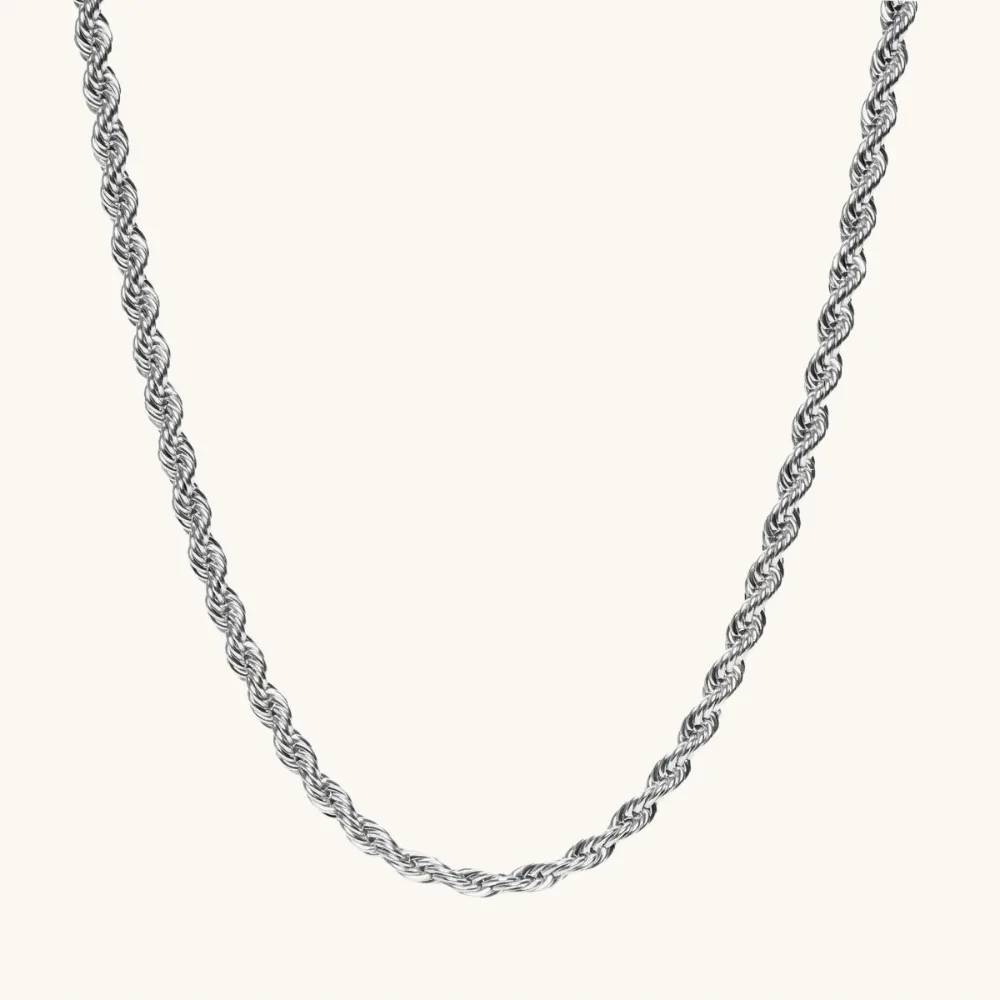
Gogo Lush 18k Gold-Plated Personalized Jewelry
Stainless steel dipped in real 18k gold, positioned by the brand as hypoallergenic and water-resistant, with a lifetime warranty against discoloration and tarnishing on select personalized pieces. A reasonable starting point if you want to try plated jewelry on a corrosion-resistant base rather than brass.
Check current stylesHow to care for gold-plated jewelry
Care is the single biggest lever you control on a plated piece's lifespan — more than the karat number on the label. Avoiding regular water contact is the top recommendation: removing plated jewelry during showering and swimming noticeably extends its life, along with keeping it away from chlorine, perfume, and lotion, which can accelerate wear on the coating.
- Remove before water activities. Take plated pieces off before showering, swimming, or doing dishes — even on a waterproof-marketed base like stainless steel, prolonged soaking speeds up wear on the gold layer itself.
- Apply cosmetics first. Put on perfume, lotion, and hairspray before your jewelry, not after, so chemicals don't sit directly on the plating.
- Clean gently, not aggressively. Soak in warm water with a few drops of mild dish soap for 15–20 minutes, then use a soft-bristled brush along the grain — never across it — and dry completely with a microfiber cloth.
- Store dry and separated. Keep pieces in a dry, airtight container or jewelry box so they're not rubbing against other metal or exposed to humidity between wears.
- Clean on a schedule. Every few weeks for daily-worn pieces, every few months for occasional pieces — consistent light cleaning beats infrequent deep cleaning.
Chain length and styling basics
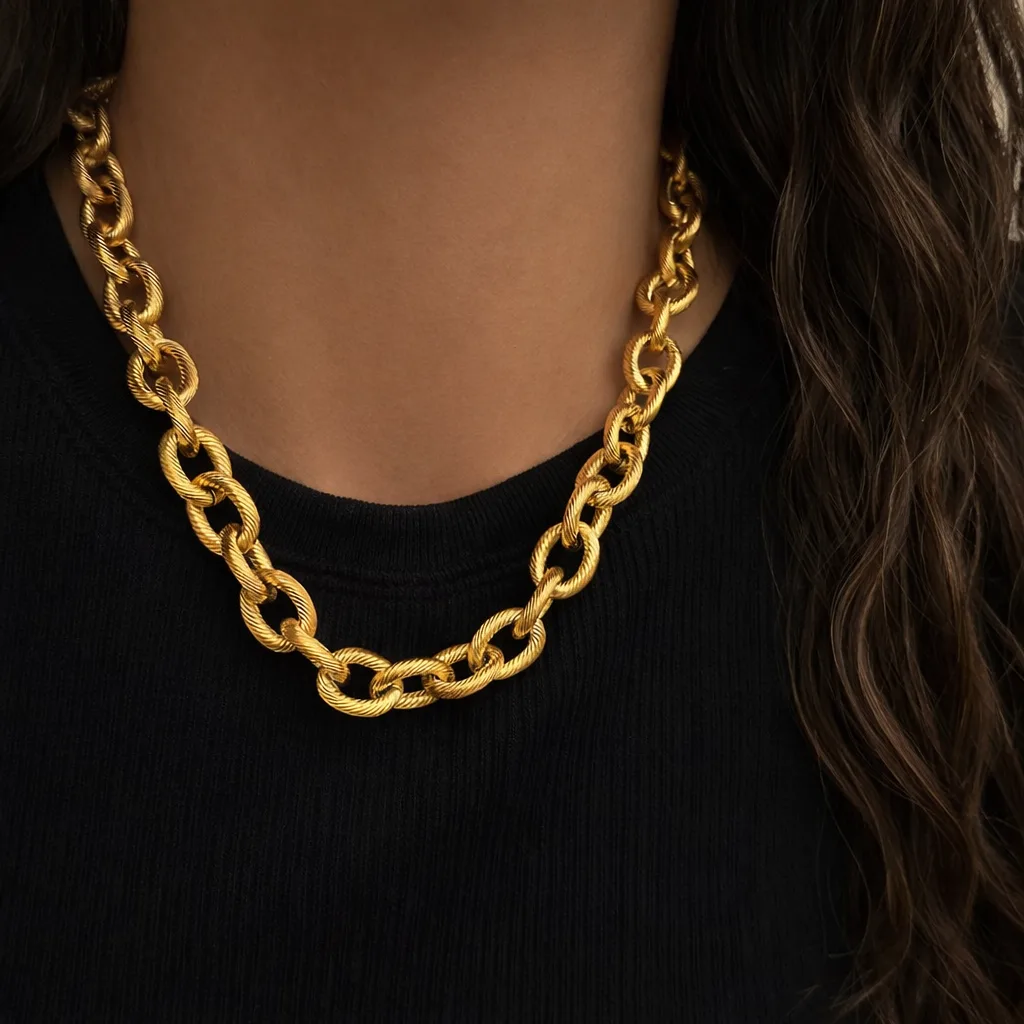
Once you've settled on plated vs. filled vs. solid, fit and styling decide how a piece actually looks day to day — length especially. Standard necklace lengths run from a choker at 14–16 inches, to a princess length at 18 inches, a matinee at 20–24 inches, an opera length at 24–30 inches, and a rope length at 36+ inches.
For men's chains specifically, sizing runs a bit differently: 18 inches sits at the base of the neck, 20 inches (the standard) rests at the collarbone, 22 inches falls a few inches below, and 24 inches lands mid-chest. Trying a chain against a mirror at these reference points is more reliable than guessing from a size chart alone — our men's stainless steel chains guide covers link styles and sizing in more depth if you're building a chain rotation.
Layering different chain lengths together creates depth and visual interest — a technique that works whether the pieces are plated, filled, or solid, as long as the finishes match closely enough to read as one intentional look rather than mismatched metals.
Common myths and buying mistakes
A few recurring misconceptions cause most of the buyer's-remorse complaints around plated jewelry — worth clearing up before you buy.
- Myth: "18k" means it will last like solid gold. Karat describes the gold's purity, not the coating's thickness or the base metal — a thin 18k coating on brass wears faster than a thicker coating on stainless steel.
- Myth: waterproof marketing means you can shower and swim freely forever. Even brands that market water resistance recommend removing plated pieces for showering and swimming to maximize lifespan — treat "water-resistant" as splash-resistant, not swim-proof.
- Mistake: judging quality by price alone. Two plated pieces at the same price point can use very different base metals — ask (or check the brand's product page) whether the base is stainless steel or an unspecified alloy.
- Mistake: skipping the care routine because it's "just plated." Ironically, plated jewelry needs more careful handling than solid gold, not less, precisely because the gold layer is thin.
Where to go next
Gold-plated jewelry is an honest, budget-smart way to wear the gold look daily — as long as you buy from a brand that discloses its base metal and you follow a real care routine instead of relying on the karat number alone. If you're building out a full personalized set, the next step is choosing which pieces and lengths work together, and pairing your plated pieces so the finishes read as one cohesive look.
Browse Gogo Lush stylesSources
This guide is for general education, not a substitute for a jeweler's professional appraisal. Material composition, plating thickness, and warranty terms vary by brand and by product line — always confirm specifics on the brand's own product page before buying. Trendyber may earn a commission from links in this article at no extra cost to you.
Recommended for you
 Personalized Necklaces: 5 Styles for the Perfect Gift (2026)
 6 Anklet Styles & How to Wear Them: Complete 2026 Guide
 Layered Necklaces: The Complete Styling Guide (2026)
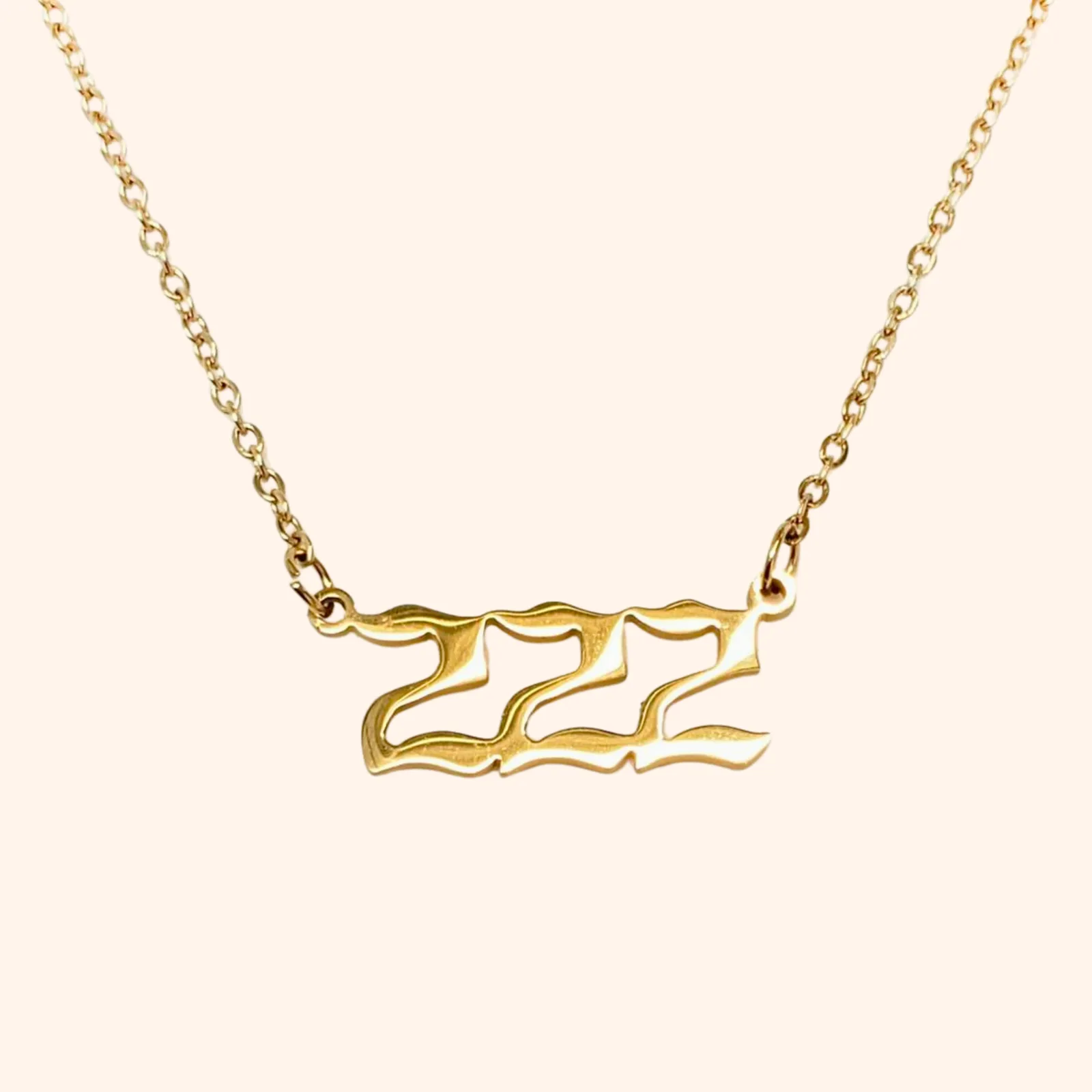 Meaningful Jewelry Gifts: Symbolic Pieces That Say More (2026)
 Fozoco Blue Light Glasses Review 2026: Best Screen Fix?
 CNC Tattoo Review 2026: Wireless Machines, Kits & Cartridges