Selk’bag: The Wearable Sleeping Bag Explained
What a Selk’bag is, how it fits, warmth ratings, pros/cons, and who it’s actually for—before you buy the wearable sleeping bag.
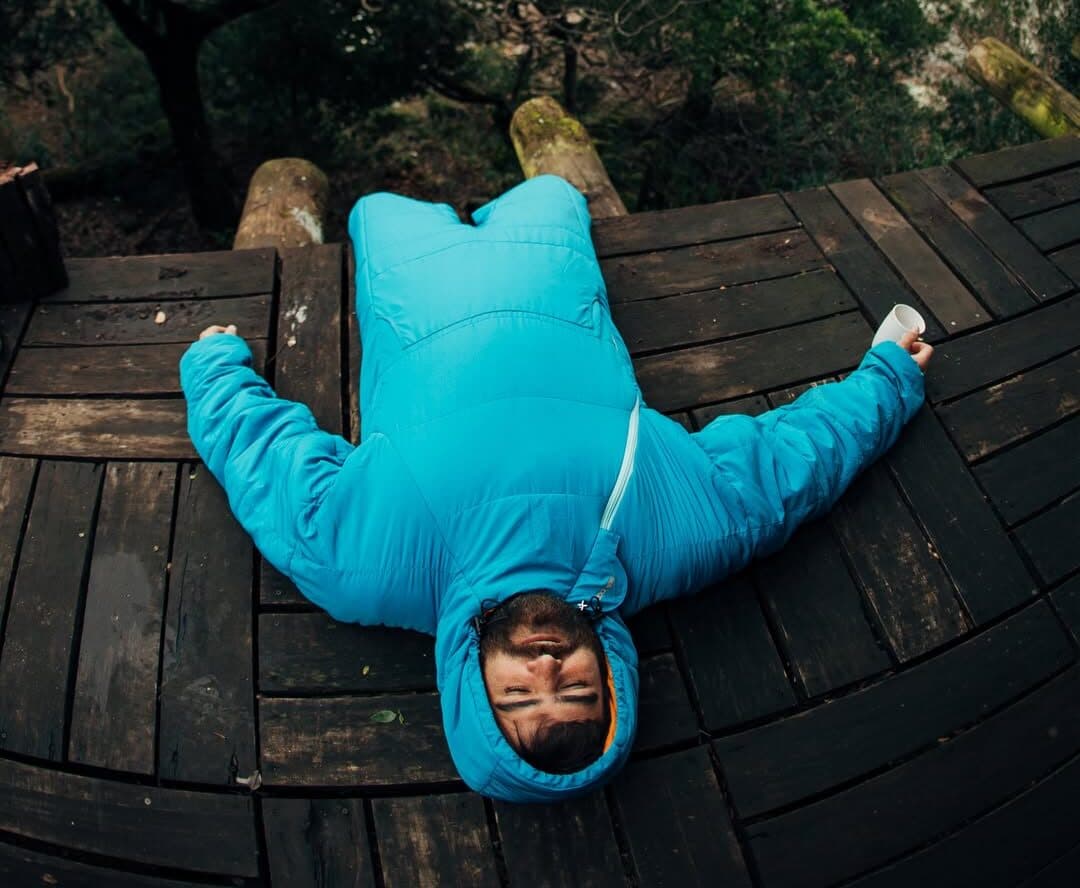
What is a Selk’bag, exactly?
- What is a Selk’bag, exactly?
- The core idea. Warmth without the “I’m trapped” feeling with Selk’bag
- How does a wearable sleeping bag stay warm?
- Selk’bag vs a normal sleeping bag. Real pros and cons
- Who is a Selk’bag actually for?
- The different styles. Not all wearable sleeping bags are the same
- Temperature ratings. What to believe and what to ignore
- What to look for before you buy
- How to use a Selk’bag without hating it
- Common questions people have (and yes, they’re fair)
- So what is a Selk’bag, in plain terms?
- FAQs (Frequently Asked Questions)
The first time you see a Selk’bag from Selk’bag USA, you kind of squint at it.
Is it pajamas? Is it a sleeping bag? Is it a onesie made for people who have given up on chairs?
And then you put one on, shuffle a few steps, and it clicks. Oh. This is a sleeping bag you can walk around in. Not gracefully, but you can absolutely wander around camp, make coffee, zip a tent, and still feel like you’re wrapped up in your own little warm bubble.
That’s the whole idea behind the Selk’bag. A wearable sleeping bag. It sounds like a gimmick until you’re cold, tired, and do not want to get out of your bag to do anything. Anything at all.
So let’s break it down properly. What a Selk’bag is, how it actually works, who it’s for, where it’s weird, where it’s great, and what to look for before you buy one.
What is a Selk’bag, exactly?
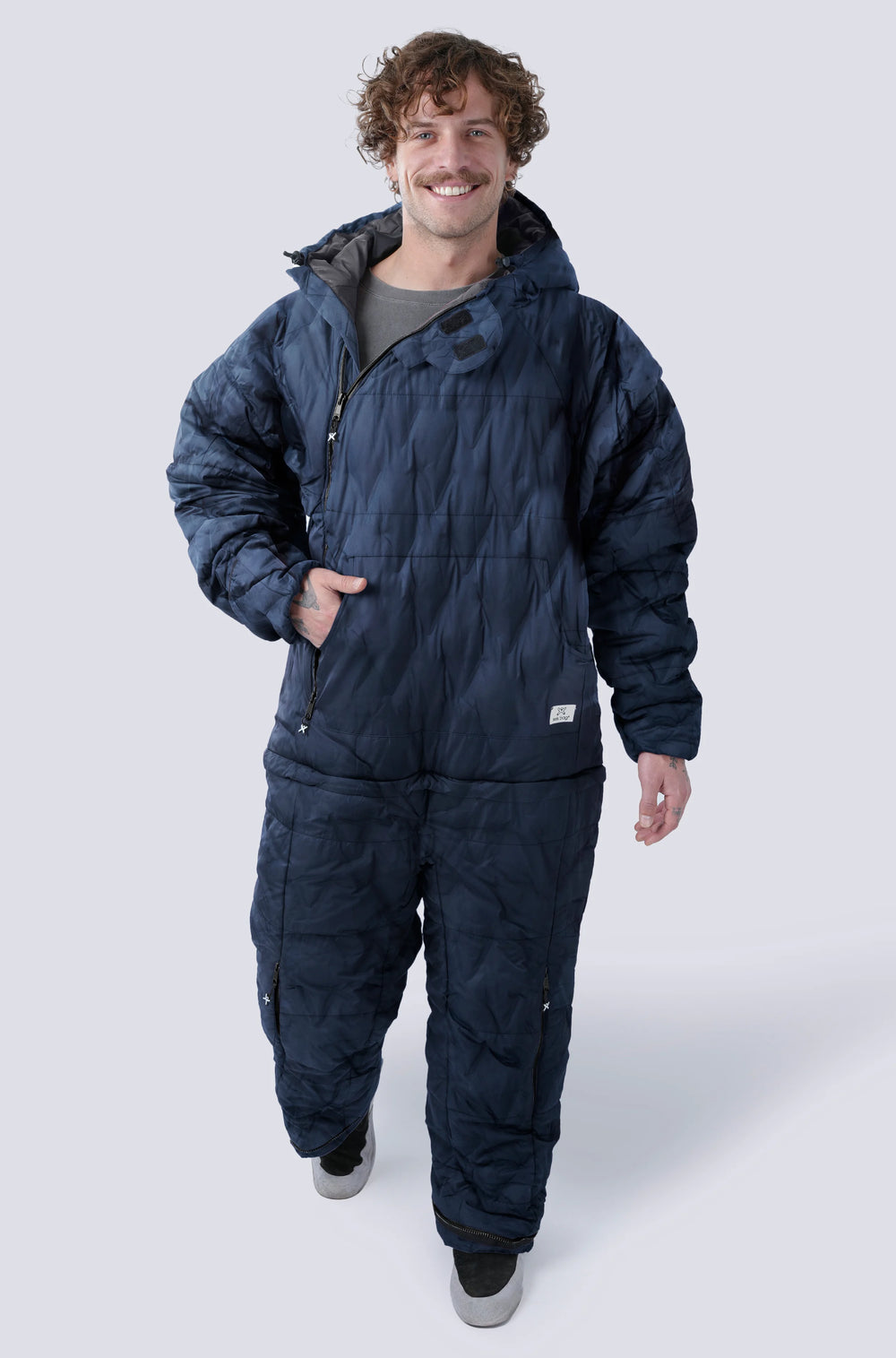
A Selk bag is basically a sleeping bag shaped like a full body suit.
Instead of a mummy or rectangular bag that you slide into, you wear this thing. It has:
- Arms with sleeves
- Legs with little bootie style feet or foot openings (depending on model)
- A zipper system (usually front zip, sometimes with extra vents)
- A hood, often with drawcords
- Pockets. Because of course it has pockets.
The goal is warmth plus mobility. You stay insulated like you would in a sleeping bag, but you can stand up and move around without having to fully bail on the warmth.
And yes, it looks a little funny. But outdoor gear is allowed to look funny. Half the stuff we use is basically cosplay for weather.
The core idea. Warmth without the “I’m trapped” feeling with Selk’bag
Traditional sleeping bags are great at one thing. Keeping you warm while you stay inside them.
The moment you need to do something, you do the usual cold ritual:
Unzip. Stick an arm out. Hate your life. Fully get out. Freeze for 30 seconds. Then try to do whatever it is in a jacket, in the dark, with cold hands.
A Selk bag tries to erase that gap.
You can wake up and stay warm while you:
- step outside your tent
- walk to the bathroom
- make breakfast
- sit around a fire
- pack up in the morning
- hang out in a cabin without cranking the heat
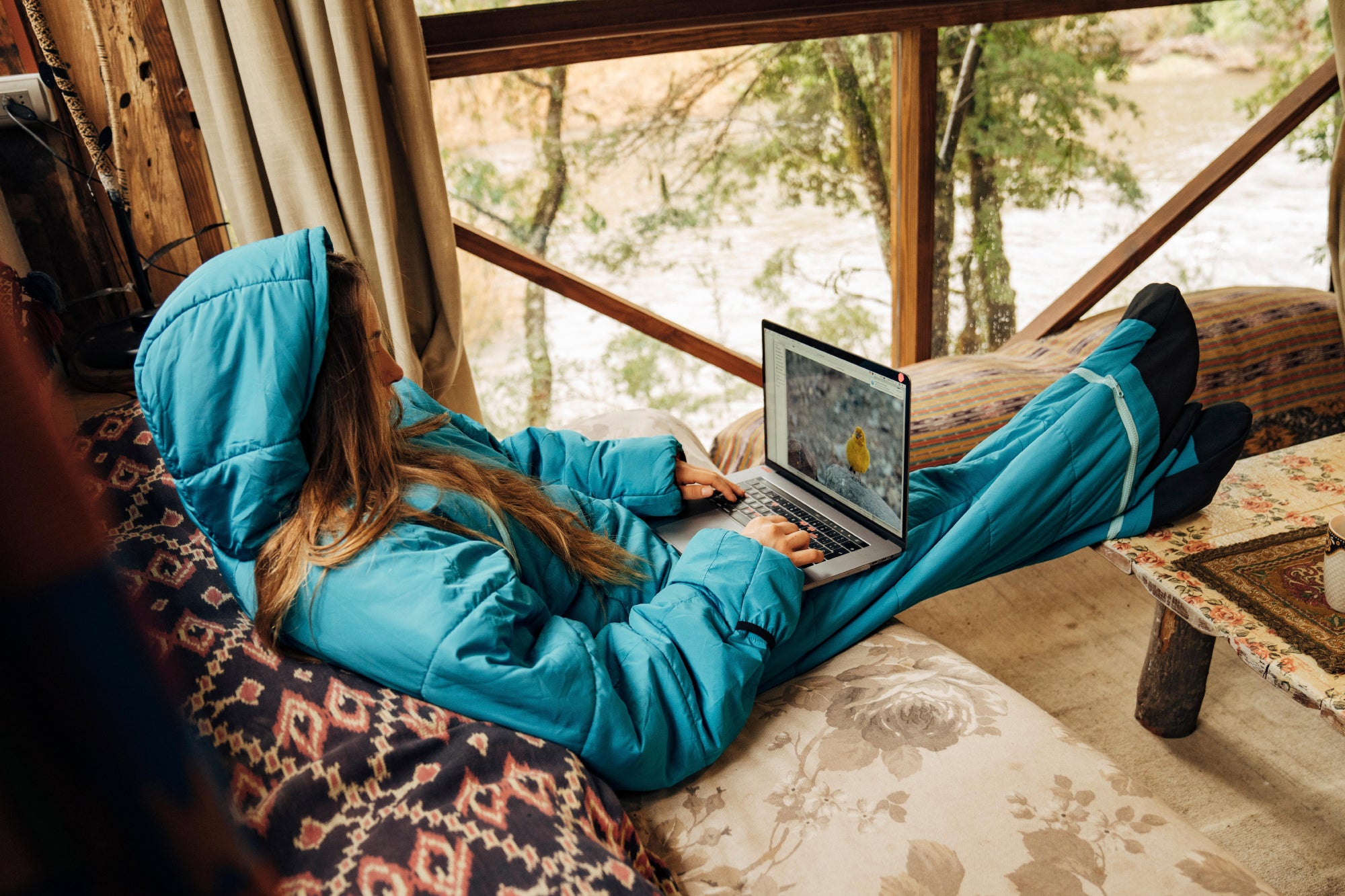
It’s also weirdly nice for people who get cold indoors. Not even camping. Just cold house, late night, you want warmth but also want to walk around and grab water.
How does a wearable sleeping bag stay warm?
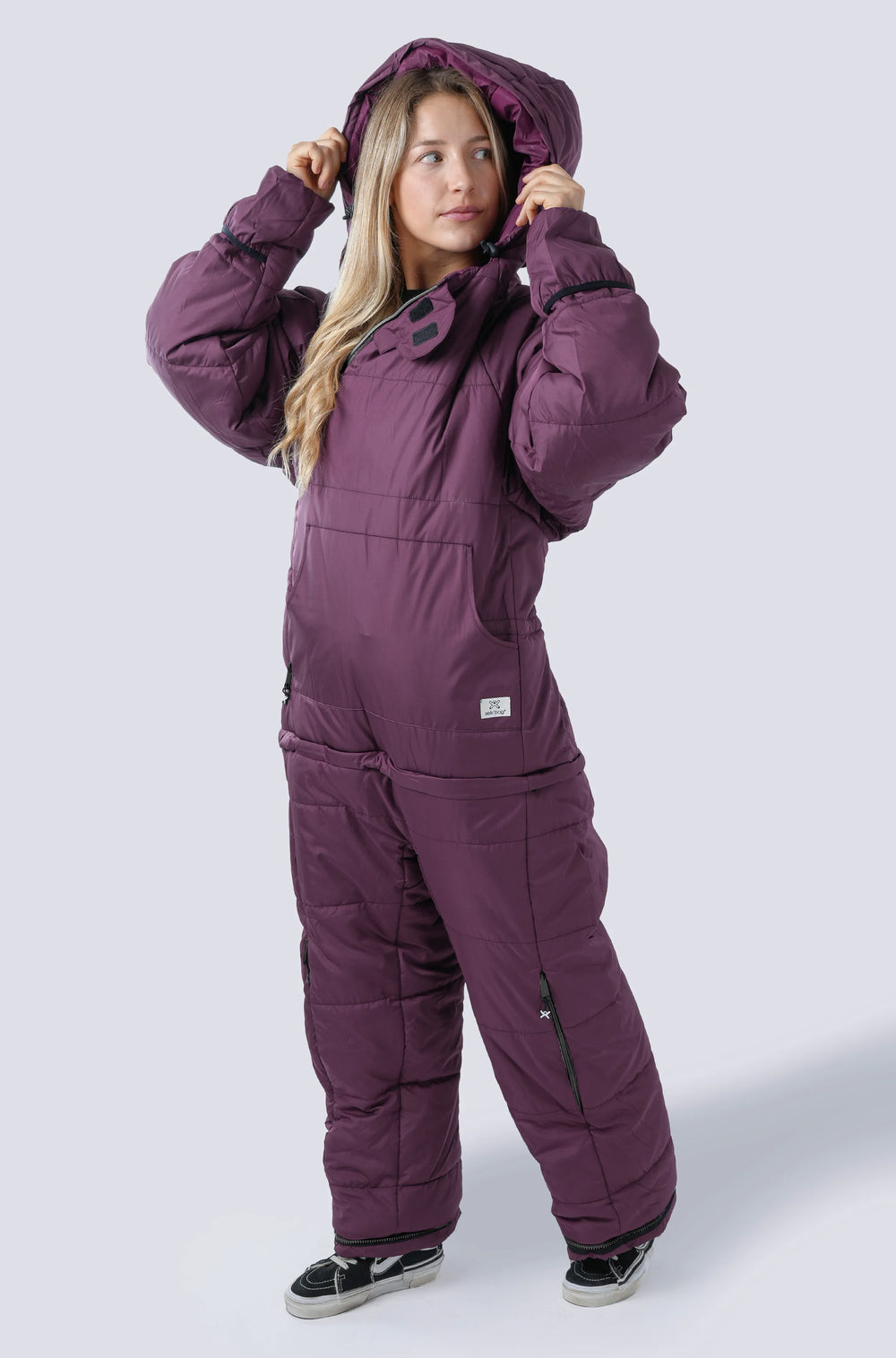
Same principles as a normal sleeping bag. Insulation plus trapped air plus minimizing drafts.
Most Selk style wearable bags use synthetic insulation (commonly something like hollow fiber). Synthetic tends to be the go to here because it’s easier to care for, tolerates moisture better than down, and holds up to the reality of being worn around. You might spill coffee. You might sit on a log. Synthetic is forgiving.
Warmth comes from a few design choices:
1. Insulation fill
More fill, more warmth, more bulk. That’s always the trade.
2. Draft control at openings
This is where wearable bags can lose heat if they’re poorly designed. Openings around wrists, ankles, and the zipper area are potential heat leaks. Better models will have tighter cuffs, elastic, draft tubes behind zippers, and a hood that seals reasonably well.
3. Hood and neck closure
If the hood is decent, it helps a lot. If it’s floppy and open, warmth escapes fast. Your neck is basically a chimney.
4. Fit
Too loose and you lose efficiency. Too tight and you compress insulation and feel restricted. Most people want “comfortable but not baggy”.
Selk’bag vs a normal sleeping bag. Real pros and cons
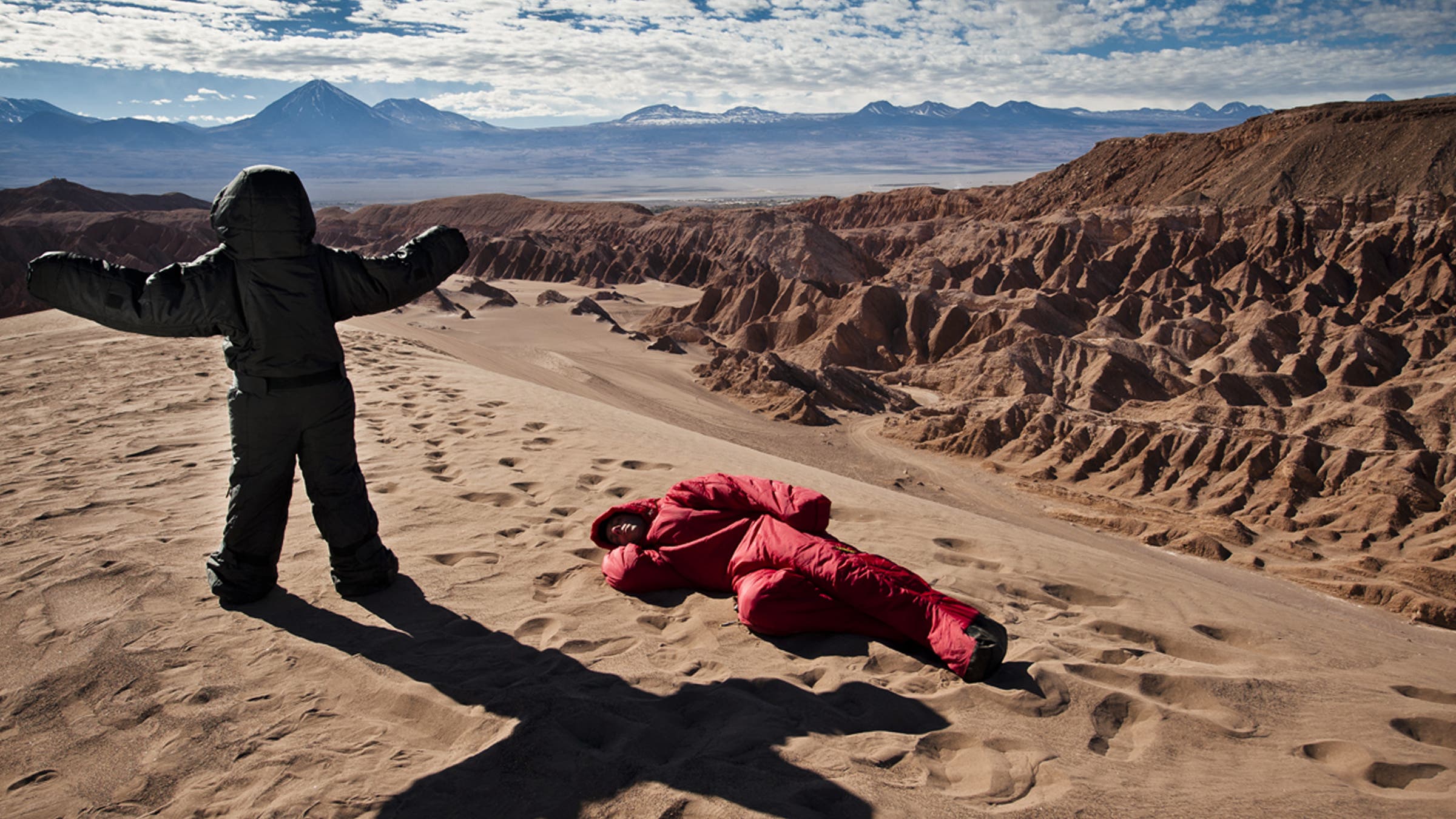
Where a Selk’bag wins
You can move around without losing all your heat.
This is the big one. Morning camp routines get easier.
It feels less claustrophobic.
Some people hate that zipped up mummy bag feeling. A wearable bag feels more like clothing, psychologically.
You can layer it.
You can throw a jacket over it, wear base layers inside, or use it like a giant insulated mid layer.
It’s convenient for cabin trips.
If you’re in a drafty cabin, or you don’t want to pack bedding, a wearable bag can basically be your sleep system plus your lounge setup.
Where a Selk’bag loses
It’s bulkier for the warmth you get.
A standard sleeping bag, especially a good down one, is usually more efficient warmth to weight. Wearable bags have extra seams, extra openings, and extra material in places you might not need.
Feet get complicated.
This is the thing people don’t think about. If the feet are enclosed, walking on wet ground is a no. If the feet have openings, you need socks and maybe camp shoes. Some models try to solve this with durable foot panels, but it’s still not the same as wearing boots.
It can twist when you sleep.
Because you have legs and arms, if you roll around you might end up with fabric pulling in odd ways. Some people sleep great in them. Some people wake up annoyed.
Not ideal for tight temperature ratings.
If you’re trying to sleep at the edge of a bag’s comfort range, small drafts matter more. Wearable bags can be warm, but a dedicated cold weather mummy bag with a serious draft collar is hard to beat.
Who is a Selk’bag actually for?
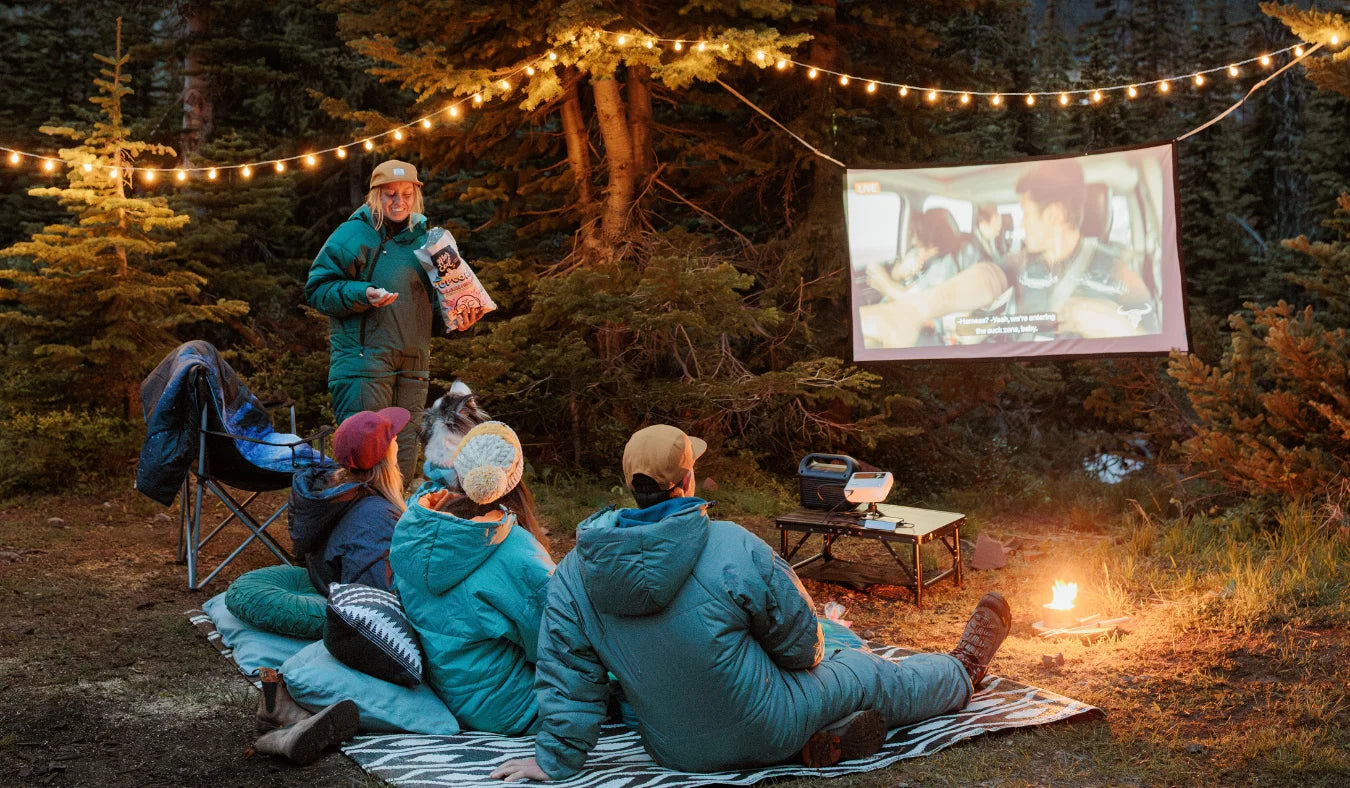
This is where it gets clearer.
A Selk bag is a good fit if:
- you camp in mild to cool weather and want comfort more than ultra light performance
- you hate stepping out of your sleeping bag in the morning
- you’re doing festivals, car camping, cabin weekends, van life
- you want something you can wear while cooking breakfast or hanging out outside at night
- you sleep cold and like the idea of an insulated “uniform” for evenings
It’s probably not the best choice if:
- you are backpacking and counting grams
- you camp consistently in very cold conditions where drafts and seal matter a lot
- you want one bag to do everything, including technical trips
- you toss and turn aggressively and already hate restrictive sleep systems
The different styles. Not all wearable sleeping bags are the same
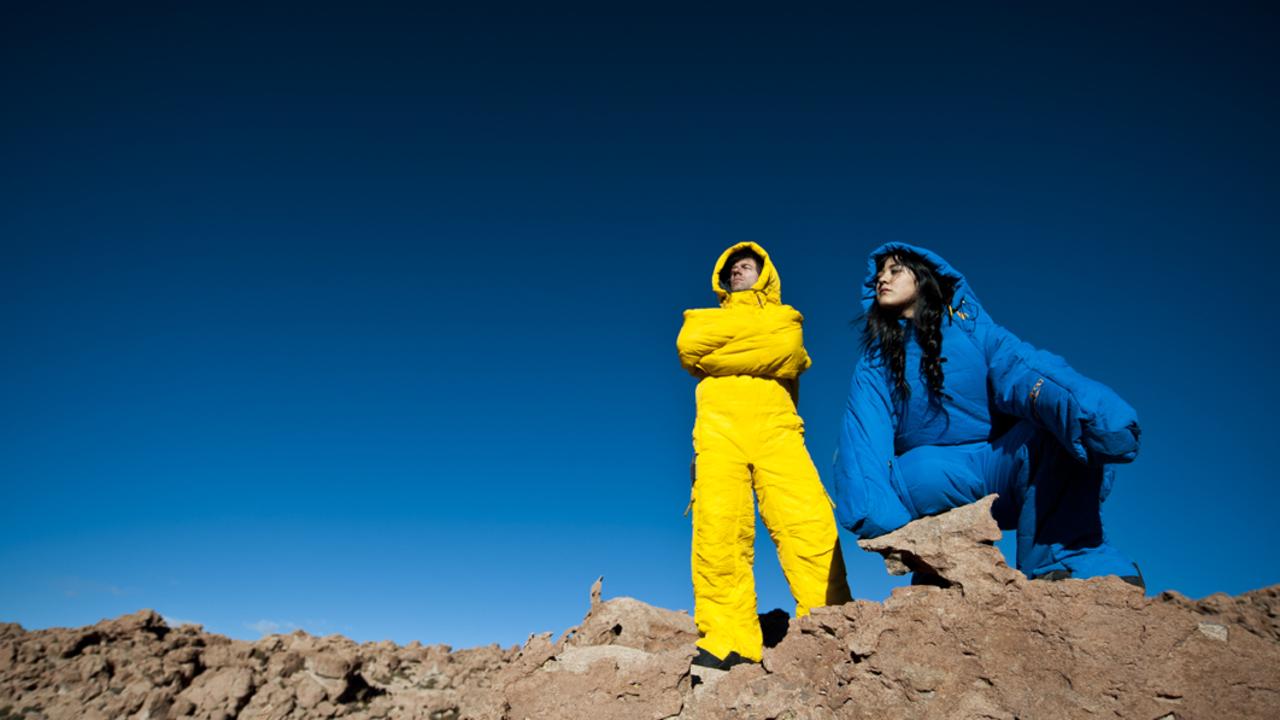
Full onesie style with enclosed feet
This is the classic look. Warmest for lounging. Worst for walking outside unless you keep it inside the tent or cabin. If you try to walk around camp like this, you will either get the feet wet or scuff them up.
Foot openings so you can wear shoes
Some models have openings at the bottom so you can pop your feet out and wear camp shoes or boots. That’s more practical for actual camping life. Slightly more draft risk, but way more usable.
Removable feet or reinforced foot boxes
A few designs try to do both. Warm feet for sleeping, tougher material for walking. If you plan to use it outdoors a lot, this is worth prioritizing.
Lighter “wearable quilts” and poncho bags
Not exactly a Selk bag, but adjacent. More like a blanket with wearability. Great for campfires. Not always great for sleeping if you move around.
Temperature ratings. What to believe and what to ignore
If you see a temperature rating on a wearable sleeping bag, treat it like you would any sleeping bag rating. As a guideline, not a promise.
A few things will change how warm it feels:
- what you wear inside it (base layers matter)
- wind and humidity
- whether your sleeping pad is decent (huge factor, seriously)
- whether the hood seals well
- your personal cold tolerance
If you’re choosing between two warmth levels and you tend to sleep cold, go warmer. The penalty is bulk, but the reward is not shivering at 3 am.
Also, wearable bags get used outside the tent a lot. Standing still around camp feels colder than lying down. So even if you’re “fine” while sleeping, you may wish you had more insulation while sitting around.
What to look for before you buy
1. Zipper design and draft protection
Look for a zipper that doesn’t feel flimsy and preferably has a draft tube behind it. Big heat loss zone.
2. Hood shape and adjustability
A good hood makes a wearable bag feel like actual sleep gear, not just a novelty suit.
3. Cuffs at wrists and ankles
Loose cuffs leak warmth. Elastic helps. Velcro can help. Ideally it’s comfortable, not scratchy.
4. Foot design for your use case
Ask yourself honestly. Are you going to walk outside in this thing. Or is it strictly for inside tent, inside cabin, inside van.
Choose accordingly.
5. Fabric durability
If you plan to wear it outdoors around camp, it will touch dirt, embers, wet picnic tables, the weird sharp corner of a cooler. Thin shiny fabric will show wear faster.
6. Sizing
Don’t guess. Check the brand’s size chart and think about layering. If you want to wear a puffy jacket inside it, that changes sizing. If you want it to feel cozy but not oversized, follow the chart.
How to use a Selk’bag without hating it
A wearable sleeping bag is easy, but a few habits make it better.
Use a real sleeping pad.
People blame the bag when the problem is cold from below. Insulation underneath you matters more than you think.
Bring camp shoes.
If your model has foot openings, you’ll be glad you have slip on shoes. If it has enclosed feet, you still might want shoes for bathroom trips so you don’t destroy the foot fabric.
Layer smart.
Base layer, socks, beanie if needed. You can fine tune warmth without sweating.
Keep it clean-ish.
If you wear it around camp, it will pick up grime. A quick shake out, spot cleaning, and not sitting directly in mud will extend its life.
Do not hover near the fire like you’re wearing normal clothes.
This is still sleeping bag fabric. Sparks happen. Be a little cautious.
Common questions people have (and yes, they’re fair)
“Can you actually sleep comfortably in it?”
Most people can, especially if they don’t mind the suit feeling. If you hate fabric around your knees or you sprawl like a starfish, you might prefer a quilt or a roomy rectangular bag.
“Is it warmer than a regular sleeping bag?”
Not automatically. Sometimes it’s comparable, sometimes it’s less efficient. The warmth comes down to insulation level and draft control. The advantage is that you can stay warm while doing stuff, not that it magically breaks physics.
“Is it only for camping?”
No. Honestly, a lot of people end up using it at home more than outdoors. Cold apartment, movie nights, working at a desk in winter, cabin weekends. It’s cozy gear.
“Is it worth it?”
If you want convenience and you do car camping, festivals, or cabin trips, it can be worth it. If you’re building a lightweight backpacking kit, it’s probably not your best spend.
So what is a Selk’bag, in plain terms?
It’s a sleeping bag that you wear.
Not a replacement for every sleeping bag. Not a joke either. It’s just a different kind of comfort tool. One that makes mornings easier, makes camp life warmer, and lets you keep that wrapped up feeling while you’re moving around.
If your camping style is slower. More coffee, more sitting, more hanging out. Or if you just know you hate cold transitions. The Selk bag idea makes a lot of sense.
And yeah, you’ll look a bit ridiculous.
But you’ll be warm. Which is sort of the entire point.
FAQs (Frequently Asked Questions)
What exactly is a Selk’bag and how does it differ from a traditional sleeping bag?
A Selk bag is a wearable sleeping bag designed like a full-body suit with arms, legs, a hood, and often pockets. Unlike traditional mummy or rectangular sleeping bags that you slide into, a Selk bag allows you to stay insulated while standing up and moving around, offering warmth plus mobility for activities like making coffee or packing up camp.
How does a Selk’bag keep you warm while allowing mobility?
Selk bags use synthetic insulation to trap air and minimize drafts, similar to normal sleeping bags. They feature design elements such as insulated fill, draft control at openings (elastic cuffs, draft tubes behind zippers), a well-designed hood with neck closure, and a comfortable fit that balances insulation efficiency with freedom of movement.
What are the advantages of using a Selk’bag over a regular sleeping bag?
Selk bags let you move around without losing heat, reducing the cold rituals of unzipping and exiting your sleeping bag. They feel less claustrophobic since they act more like clothing, allow layering with jackets or base layers, and are convenient for cabin trips where you want an insulated lounge setup without extra bedding.
What are some drawbacks or limitations of Selk’bags compared to traditional sleeping bags?
Selk bags tend to be bulkier for the warmth they provide due to extra seams and openings. The foot design can be complicated—closed feet limit walking on wet ground while open feet require socks or camp shoes. They may twist during sleep causing discomfort for some users and generally aren’t ideal for extreme cold conditions where specialized mummy bags excel in minimizing drafts.
Who is the ideal user or target audience for a Selk’bag?
Selk bags are great for campers who want warmth combined with mobility during morning routines or cabin lounging. They’re suited for people who dislike the trapped feeling of traditional sleeping bags, those who get cold indoors but want to move freely around the house at night, and anyone looking for convenient insulation without sacrificing movement.
What should I consider before buying a Selk’bag?
Before purchasing, consider factors like insulation type (synthetic is common for durability), draft control features (tight cuffs, draft tubes), hood design for neck warmth, fit (comfortable but not too loose), foot design based on your walking needs, and temperature ratings relative to your typical camping conditions to ensure it meets your warmth and mobility requirements.
Read more: trendyber.com
Recommended for you
 Thank God Apparel: The Faith-Based Clothing Brand Explained
- How to Wear Grounding Sneakers - Everyday Styling Guide
- CTRNE Review 2026 - Are the Crystal Sneakers Worth It?
- Grounding Sneakers 2026 - Do Crystal-Infused Shoes Work?
 How to Style Christian Streetwear for Men: 5 Outfits That Work
 Thank God Review 2026: Is Christian Streetwear Worth $60?