The Ultimate Guide to Choosing the Right Tarkine Running Shoe for Your Training in the Tarkine Region
Choose the perfect Tarkine running shoe for your training needs with our expert guide on fit, comfort, and eco-friendly performance.
Why shoe choice matters more than most people admit in the Tarkine
- Why shoe choice matters more than most people admit in the Tarkine
- Step 1: Identify what your “main training shoe” needs to handle
- Step 2: Match the shoe to your training week (quick self-audit)
- Step 3: Understand the shoe “levers” that actually change how a shoe feels in the Tarkine
- Step 4: Choose based on your training goal (the practical way)
- Step 5: Match the shoe to your body (the part most people skip) in the Tarkine
- Step 6: Choose based on where you run (surfaces + weather)
- Step 7: How to pick the right size and fit in the Tarkine (and avoid the classic mistakes)
- Step 8: A simple Tarkine selection framework (without pretending one model fits everyone)
- Step 9: The best 2-shoe Tarkine rotation for most runners
- Step 10: The best 3-shoe rotation (if you’re training seriously)
- Step 11: Eco-friendly performance—what to look for (without falling for vague marketing)
- Step 12: Common mistakes when choosing a running shoe (and how to avoid them)
- Step 13: When to replace your running shoes (simple guidelines)
- Step 14: A quick decision tree (use this if you want the shortest path)
- Buy now: choose your Tarkine shoe with the “job” method
- Let’s wrap up
You can buy “a running shoe” in the Tarkine.
Or you can buy the right running shoe for your training—your weekly mileage, your pace, your foot shape, your surfaces, your injury history, and what you’re actually trying to get better at.
That difference is what this guide about the Tarkine is about.
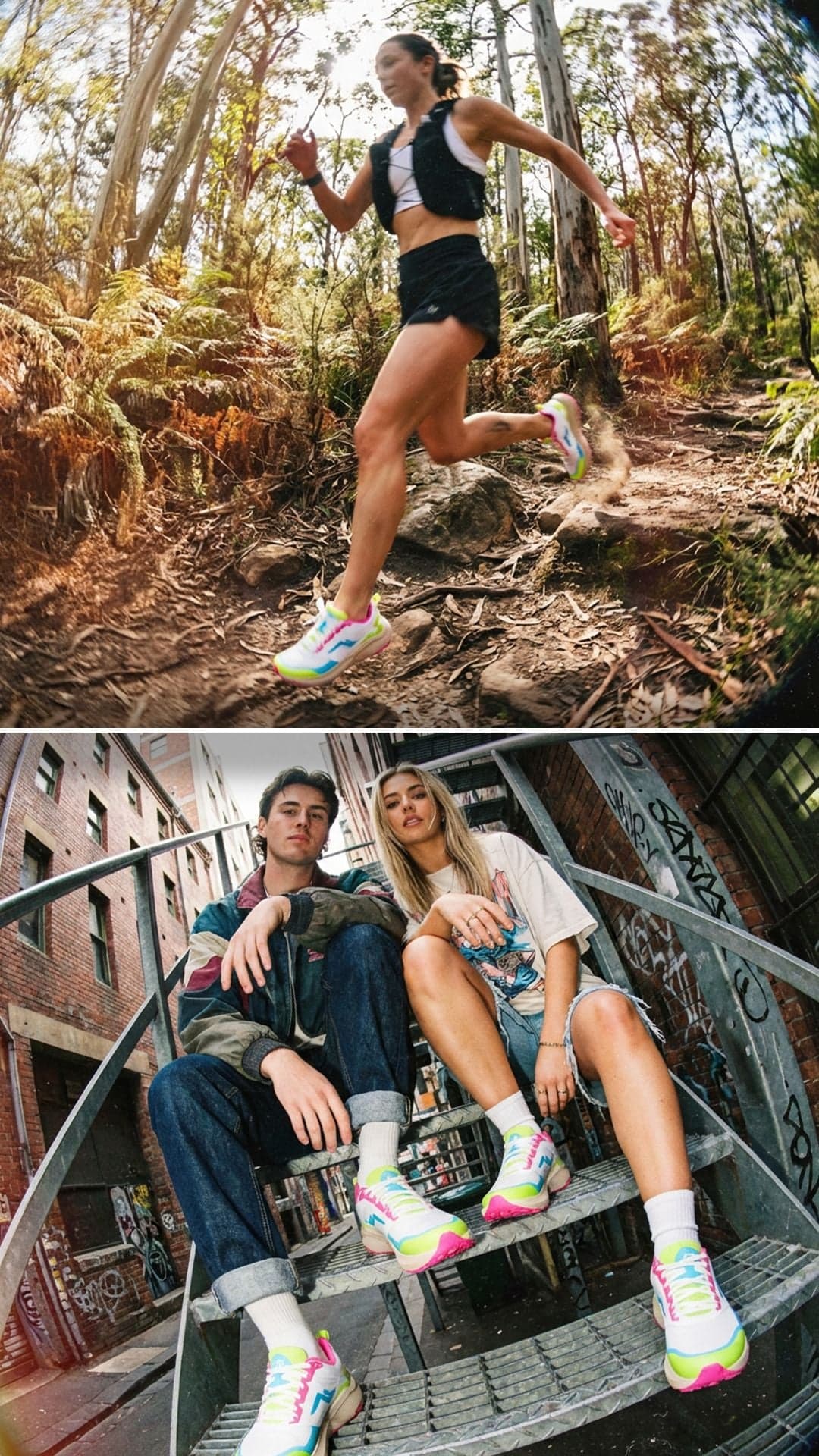
Tarkine is an Australian-owned running shoe company making high-performance, eco-friendly footwear and apparel—built by athletes, for athletes. If you’re considering Tarkine, the smartest way to choose isn’t “What’s the most popular model?” It’s: What do I need this Tarkine shoe to do in my training plan?
This guide will help you pick the right Tarkine running shoe based on how you train, what you’re training for, and what your body tends to like (or hate) in the Tarkine environment.
Why shoe choice matters more than most people admit in the Tarkine
If you’re running 3–6 days a week in the Tarkine, your shoes become a piece of training equipment—not just something you wear. The wrong pair can quietly:
- beat up your calves and Achilles
- flare up plantar fascia
- overload your knees or hips
- make easy runs feel weirdly hard
- prevent you from hitting paces comfortably on workout days
The right pair does the opposite. It supports your training goals by matching the type of run you’re doing most often in the Tarkine.
So before we talk models or specs, we need one thing clear:
You don’t choose “the best Tarkine shoe.” You choose the best Tarkine shoe for each job you’re asking it to do.
Step 1: Identify what your “main training shoe” needs to handle
Most runners (especially consistent runners) should think in roles, not “one perfect shoe.” This is especially true for those training in diverse environments like the Tarkine.
Here are the four most common roles:
- Daily trainer (most miles, most days)
- Workout shoe (intervals, tempo, fartlek, track)
- Long-run shoe (comfort + protection for time-on-feet)
- Race shoe (specific to your goal distance)
If you only buy one shoe, it should usually be the daily trainer role.
If you can rotate two shoes, the best combo for most runners is:
- a daily trainer
- plus a workout/race-leaning option (lighter, snappier)
If you rotate three, you can do:
- daily trainer
- long-run shoe (max comfort/protection)
- workout/race shoe
- This approach ensures that you’re well-equipped for various conditions, whether you’re on the trails of the Tarkine or hitting the track.
Step 2: Match the shoe to your training week (quick self-audit)
Answer these honestly:
A) What’s your weekly mileage?
- 0–20 km/week: comfort + versatility matters more than marginal speed gains
- 20–50 km/week: durability + cushioning balance is key
- 50–90 km/week: rotation becomes more valuable; legs need variety
- 90+ km/week: you’ll benefit from role-specific shoes (and your body will notice)
B) What does a normal week look like?
- Mostly easy runs → daily trainer bias
- One workout + one long run → daily trainer + long-run or workout option
- Two quality days + long run → rotation strongly recommended
C) Where do you run?
- Road/pavement → road-focused cushioning and stable geometry
- Mixed path/footpath/park → versatile outsole + stable platform
- Wet conditions often → traction + secure upper matter a lot
D) What do you care about most in the Tarkine?
- Comfort
- Speed feel
- Stability
- Durability
- Eco-friendly materials and responsible production
Tarkine’s brand positioning (high-performance + eco-friendly) is a big draw for runners who want performance without feeling like they’re buying disposable plastic.

Step 3: Understand the shoe “levers” that actually change how a shoe feels in the Tarkine
When people say, “This shoe feels fast,” or “This one saves my legs,” they’re usually reacting to a handful of design factors.
Here’s what matters most:
1) Cushioning level (and how it’s tuned)
- More cushion can reduce impact feel, especially on long runs.
- But too soft can feel unstable or tiring for some runners.
Rule of thumb:
If you’re building mileage or training for anything 10K and up, you usually want enough cushion that your easy days feel easy.
2) Stack height (how tall the midsole is)
Higher stack can mean more protection, but also more “height” to control.
If you’ve ever felt like you’re “wobbling” in a shoe, stack height + softness + your mechanics are usually the reason.
3) Drop (heel-to-toe offset)
- Higher drop often feels easier on calves/Achilles for many runners.
- Lower drop can feel more “natural” but may load calves more.
If you’re calf/Achilles-sensitive, don’t play hero—pick the option that keeps you healthy.
4) Rocker shape (how the shoe rolls forward)
A rocker can make steady running feel smoother and reduce fatigue. It can also feel awkward if the geometry doesn’t match your stride.
5) Stability (not just “stability shoes”)
Stability comes from:
- a wider base
- sidewall shaping
- firmer foam zones
- outsole coverage
- upper lockdown
Many runners don’t need a “stability shoe,” but they do benefit from a shoe that is stable by design.
6) Fit and upper security
If your foot slides, your form changes. If your toes are cramped, you’ll subconsciously alter stride. Fit is performance.
Step 4: Choose based on your training goal (the practical way)
Goal #1: Build an easy aerobic base (comfort-first)
If you’re:
- returning from a break
- increasing weekly mileage
- running mostly in Zone 2 / easy pace
Prioritize:
- comfortable cushioning
- stable platform
- reliable grip
- forgiving upper
What you want your Tarkine shoe to feel like:
“Boring in the best way. I can forget about it and just run.”
Pro tip: If you can only own one shoe, choose the one that makes easy miles feel best. That’s where most fitness is built.
Goal #2: Train for a 5K/10K (mix of speed + easy)
For 5K/10K blocks, you’ll likely have:
- 1–2 quality sessions/week (intervals/tempo)
- 2–4 easy runs
- long run still matters, even for 5K/10K
Prioritize:
- a daily trainer that doesn’t feel sluggish
- plus a lighter shoe for workouts (if possible)
Simple setup:
- Shoe A (daily): stable, cushioned, versatile
- Shoe B (workouts): lighter, snappier, more responsive
Goal #3: Half marathon training (long-run comfort becomes a big deal)
Half marathon plans typically expose any shoe mistakes fast because you’re doing long runs plus threshold work.
Prioritize:
- cushion that stays comfortable after 60–90 minutes
- stable midsole for fatigued form
- a shoe that handles steady-state tempo without feeling mushy
What you want your long-run Tarkine shoe to feel like:
“Supportive when I’m tired, smooth when I’m cruising.”
Goal #4: Marathon training (your shoes are basically part of your recovery)
If you’re marathon training, you’re doing a lot of running on tired legs.
Prioritize:
- max comfort (without feeling unstable)
- predictable grip
- durable outsole
- a fit you can trust when feet swell late in long runs
Rotation becomes a performance tool here.
Even a two-shoe rotation can reduce repetitive stress because each shoe loads tissues a bit differently.
Step 5: Match the shoe to your body (the part most people skip) in the Tarkine
This isn’t about “perfect biomechanics.” It’s about trends: what tends to irritate you, and what tends to help.
If you get calf/Achilles tightness
Consider:
- a bit more drop
- a smoother rocker
- avoiding sudden shifts to very low-drop shoes
Also: transition gradually if you’re changing shoe style.
If you get knee soreness
Often helped by:
- more cushioning
- stable geometry (less wobble)
- avoiding extremely soft, unstable setups
If you get plantar fascia pain
Often helped by:
- supportive fit (midfoot lockdown)
- not-too-flexy forefoot (some structure)
- adequate cushioning without excessive instability
If you’re a heavier runner or you simply prefer protection
Look for:
- durability
- consistent cushioning (not just soft-on-step-one)
- wider base stability
If you’re a lighter, faster runner
You might prefer:
- lighter weight
- firmer/more responsive cushioning
- less “sinking” into the midsole
Important: “Responsive” isn’t always “hard.” It’s the feeling that the shoe returns energy instead of absorbing it.
Step 6: Choose based on where you run (surfaces + weather)
Road running (pavement, footpaths)
You generally want:
- cushioning for repetitive impact
- traction that works on painted lines and wet corners
- an upper that breathes but doesn’t stretch out
Mixed urban running (road + paths + light gravel)
You want:
- a versatile outsole pattern
- stable platform
- durable upper (scuffs happen)
Wet conditions (common in many parts of Australia)
Prioritize:
- outsole grip and rubber coverage
- a secure heel collar and lacing system
- materials that don’t feel sloppy when damp
A shoe can be cushioned and “premium,” but if it slips on wet pavement, it’s not the right tool for your training environment.
Step 7: How to pick the right size and fit in the Tarkine (and avoid the classic mistakes)
Fit is where most “great shoes” become “bad shoes.”
Here’s what to check:
Toe room
You want about a thumb’s width in front of your longest toe—especially for long runs where feet swell.
Midfoot lockdown
Your foot should feel held without having to crank the laces so tight you cut circulation.
Heel security
No major slippage. A tiny bit can be normal, but if your heel is lifting noticeably, it’s a blister waiting to happen.
Width
If you feel pressure on the outside of your forefoot (pinky toe area) or you get numbness, you likely need more room.
Quick test:
If you can’t splay your toes at least a little when standing, the shoe may be too narrow for your foot.
Step 8: A simple Tarkine selection framework (without pretending one model fits everyone)
Because Tarkine’s exact model lineup can change over time (and because you might be reading this months from now), the most future-proof way to choose is by shoe type.
Use this quick filter when you’re looking at Tarkine’s current range:
1) If it’s described as a “daily trainer”
Pick it if you want:
- one shoe to handle most runs
- balanced cushioning
- durability
- a predictable ride
Best for: beginners, most recreational runners, base-building, general fitness
2) If it’s positioned as “max cushion” or “long-run comfort”
Pick it if you want:
- protection for long runs
- easier recovery miles
- reduced leg fatigue
Best for: half marathon/marathon training, heavier runners, high-mileage weeks
3) If it’s positioned as “tempo,” “speed,” or “race”
Pick it if you want:
- lighter feel
- faster transitions
- more pop at quicker paces
Best for: intervals, tempo runs, racing 5K–marathon (depending on design)
4) If it’s positioned as “stability” or “support”
Pick it if you want:
- a more guided ride
- confidence when form breaks down late in runs
- reduced wobble
Best for: runners who overpronate significantly, runners returning from injury, or anyone who simply runs better with structure
Step 9: The best 2-shoe Tarkine rotation for most runners

If you’re ready to level up your training, a rotation is one of the easiest wins.
Here’s a simple, effective setup:
Shoe 1: Daily trainer (your “default”)
Use it for:
- easy runs
- general miles
- warm-ups/cool-downs
- casual long runs
Shoe 2: Workout / faster-day shoe
Use it for:
- intervals
- tempo / threshold
- parkrun / time trials
- occasional race day (if it suits)
Why this works:
You reduce repetitive stress, extend shoe life, and each run feels more “purpose-built.”
Step 10: The best 3-shoe rotation (if you’re training seriously)
If you’re in a half/marathon build or running 50 km/week+, this rotation covers almost everything:
- Daily trainer (most mileage)
- Long-run/max cushion shoe (time-on-feet comfort)
- Workout/race shoe (speed + performance)
This is also the most “injury-aware” setup because you’re not forcing one shoe to do every job.
Step 11: Eco-friendly performance—what to look for (without falling for vague marketing)
Since Tarkine positions itself as eco-friendly and performance-focused, it’s worth knowing what actually matters when evaluating sustainability in running shoes.
Look for signals like:
- recycled or bio-based upper materials
- responsible packaging
- durability-first design (a shoe that lasts longer is often “greener” than a shoe you replace quickly)
- transparency about materials and manufacturing
My honest take:
The most sustainable running shoe is usually the one you can comfortably run in for a long time without breaking down early or causing issues that force you into a replacement cycle.
Performance and sustainability don’t have to compete—durability and thoughtful materials can serve both.
Step 12: Common mistakes when choosing a running shoe (and how to avoid them)
Mistake #1: Buying a “race-style” shoe as your only shoe
It might feel fun at first, but it can be harsh for daily mileage.
Fix: Make your daily trainer your main purchase, then add speed later.
Mistake #2: Going too minimal too fast
If you jump into low-drop or very flexible shoes abruptly, calves and feet often complain.
Fix: Transition gradually and reduce volume at first.
Mistake #3: Ignoring fit because the shoe “reviews well”
A highly rated shoe that doesn’t fit you is a bad shoe.
Fix: Prioritize fit and comfort over hype.
Mistake #4: Choosing based on one 2-minute jog in a store
Some shoes feel fine for 2 minutes and awful after 60 minutes.
Fix: Think about the run you’ll do most often (usually easy runs).
Mistake #5: Waiting until the outsole is completely bald
A shoe can be “not dead” but still no longer supportive for training.
Fix: Track approximate mileage and how your body feels after runs.
Step 13: When to replace your running shoes (simple guidelines)
There’s no perfect number, but here are practical signals:
Replace (or rotate out) when:
- cushioning feels flat or “slappy”
- new aches show up in predictable spots
- outsole is worn unevenly and grip is compromised
- you feel like you’re working harder at the same easy pace
- the upper no longer holds the foot securely
Mileage ranges vary widely, but many runners replace somewhere in the 400–800 km range depending on bodyweight, surfaces, and shoe build.
Step 14: A quick decision tree (use this if you want the shortest path)
If you’re not sure what to buy:
- Are you running mostly easy miles and building consistency?
- → Choose Tarkine’s daily trainer-style shoe.
- Are you training for a half/marathon and your legs get beat up on long runs?
- → Add or choose a max cushion/long-run comfort shoe.
- Do you do weekly intervals/tempo and want a faster feel?
- → Add a tempo/speed shoe (lighter, more responsive).
- Do you struggle with stability or feel wobbly late in runs?
- → Consider Tarkine’s stability/support option (or the most stable daily trainer in the range).
Buy now: choose your Tarkine shoe with the “job” method
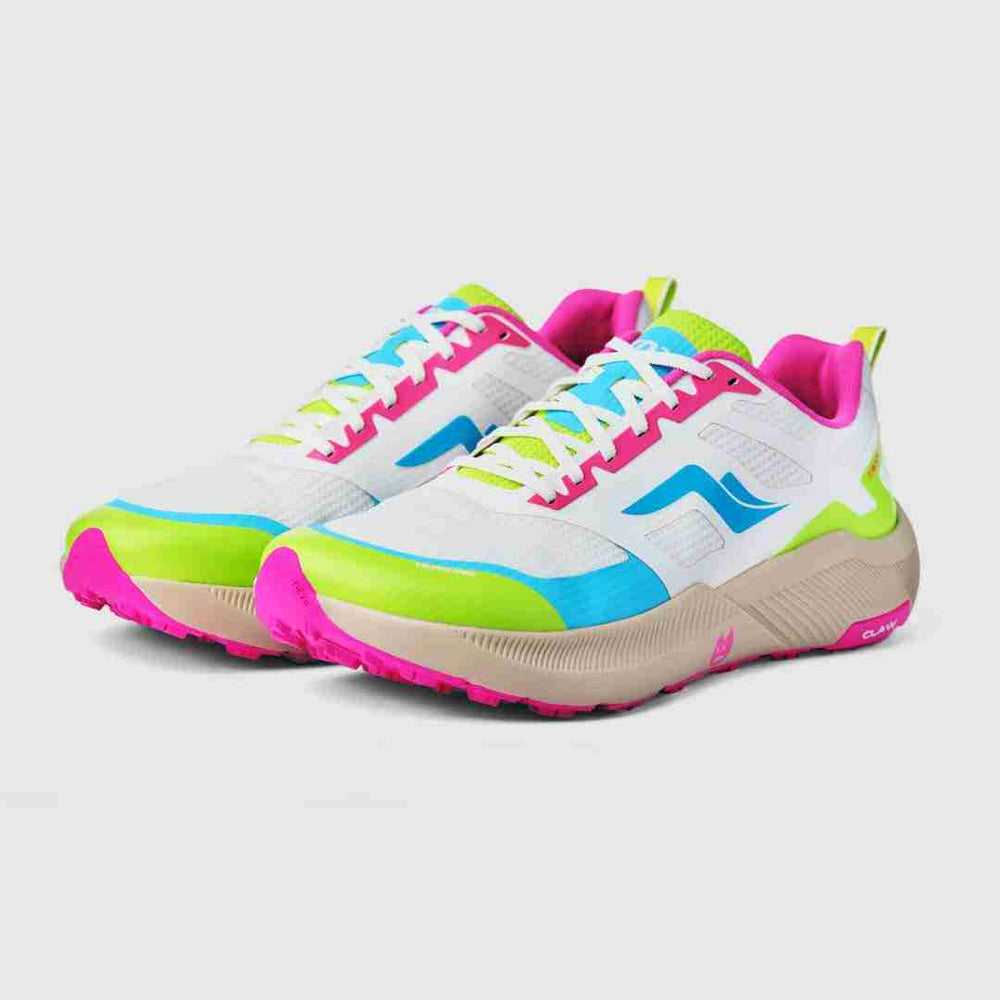
If you want a clean way to buy confidently, do this:
- Pick the shoe that matches the run you do most often (daily trainer for most people).
- Make sure the fit is right (toe room, midfoot lockdown, heel security).
- If you’re training seriously, add a second shoe for faster days or long runs.
Buy now when you can answer this sentence clearly:
“I’m buying this Tarkine shoe to be my _________ shoe for my training.”
Daily trainer? Long-run shoe? Workout shoe? That one sentence prevents most bad purchases.
Let’s wrap up
Choosing the right Tarkine running shoe is less about chasing the “best shoe” and more about matching the shoe to your training reality.
If you only remember three things from this guide, make it these:
- Most fitness comes from easy miles, so pick a shoe that makes easy running feel comfortable and reliable.
- Rotation helps—even two shoes can improve recovery and reduce overuse stress.
- Fit is performance. If it doesn’t fit your foot, it doesn’t matter how good the reviews are.
Use the role-based approach, match the shoe to your goal, and you’ll end up with a Tarkine pair that genuinely supports your training instead of just looking good on the rack.
READ MORE: trendyber.com
Recommended for you
 How to Style Christian Streetwear for Men: 5 Outfits That Work
 Thank God Review 2026: Is Christian Streetwear Worth $60?
 Best Christian Streetwear for Men in 2026: Top Faith Brands
 How to Choose Running Shorts: Inseam, Liner & Fabric Guide for Men
 Mier Sports Review 2026: Affordable Running Gear Worth Every Dollar
 Best Men’s Running Shorts 2026: The Complete Buyer’s Guide