Do Crystal-Infused Shoes Actually Work? Citrine & Grounding Footwear Explained (2026)
Crystal-infused shoes pair conductive grounding soles with embedded gemstones like Citrine. We break down the mineralogy, the limited grounding research, and the metaphysical wellness claims so you know what you're actually buying.
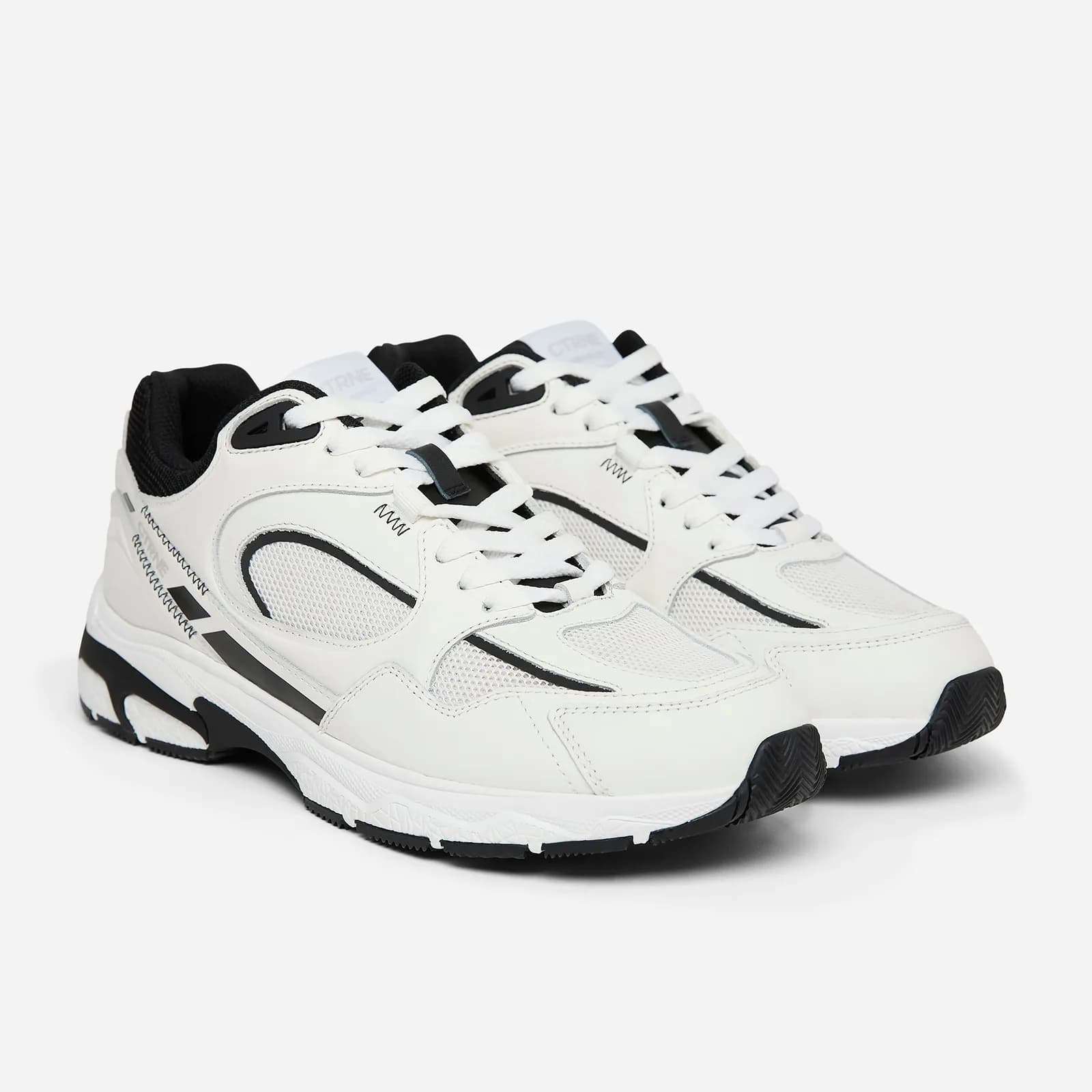
What are crystal-infused shoes?
- What are crystal-infused shoes?
- How grounding footwear works
- Does the science hold up?
- Citrine explained: the mineral behind the marketing
- Citrine's wellness claims: tradition vs. science
- Grounding-only vs. crystal-infused: how the categories compare
- Common myths and buying mistakes
- Getting started: how to think about buying one
Crystal-infused shoes have moved from niche wellness boutiques into mainstream sneaker culture, pairing conductive "grounding" soles with embedded gemstones like Citrine — but separating the engineering from the folklore takes a closer look. This guide from Trendyber breaks down what these shoes actually are, what the evidence does and doesn't support, and how to think about the category before you shop.
- What are crystal-infused shoes?
- How grounding footwear works
- Does the science hold up?
- Citrine explained: the mineral behind the marketing
- Citrine's wellness claims: tradition vs. science
- Grounding-only vs. crystal-infused: how the categories compare
- Common myths and buying mistakes
- Getting started: how to think about buying one
Crystal-infused shoes combine two separate ideas — conductive grounding technology and gemstone wellness tradition — and only one of those has any research behind it, and even that research is limited.
If you're drawn to the aesthetic and the grounding concept, treat crystal-infused shoes as a lifestyle purchase first and a wellness intervention second.
Check current priceWhat you'll learn
- What crystal-infused shoes actually are and how they differ from plain grounding shoes
- The engineering behind grounding/earthing soles — and what the mechanism does and doesn't claim to do
- What peer-reviewed research on grounding actually shows, including its limitations
- The mineralogy of Citrine versus its metaphysical wellness claims
- How to evaluate a crystal-infused shoe brand before buying
What are crystal-infused shoes?
Crystal-infused shoes are footwear — usually sneakers or sandals — with a gemstone embedded directly into the sole, sold as a wellness-lifestyle hybrid rather than a purely functional shoe. The category typically layers two separate claims into one product: a physical "grounding" or "earthing" mechanism, and a metaphysical crystal-healing property attributed to the specific stone used.
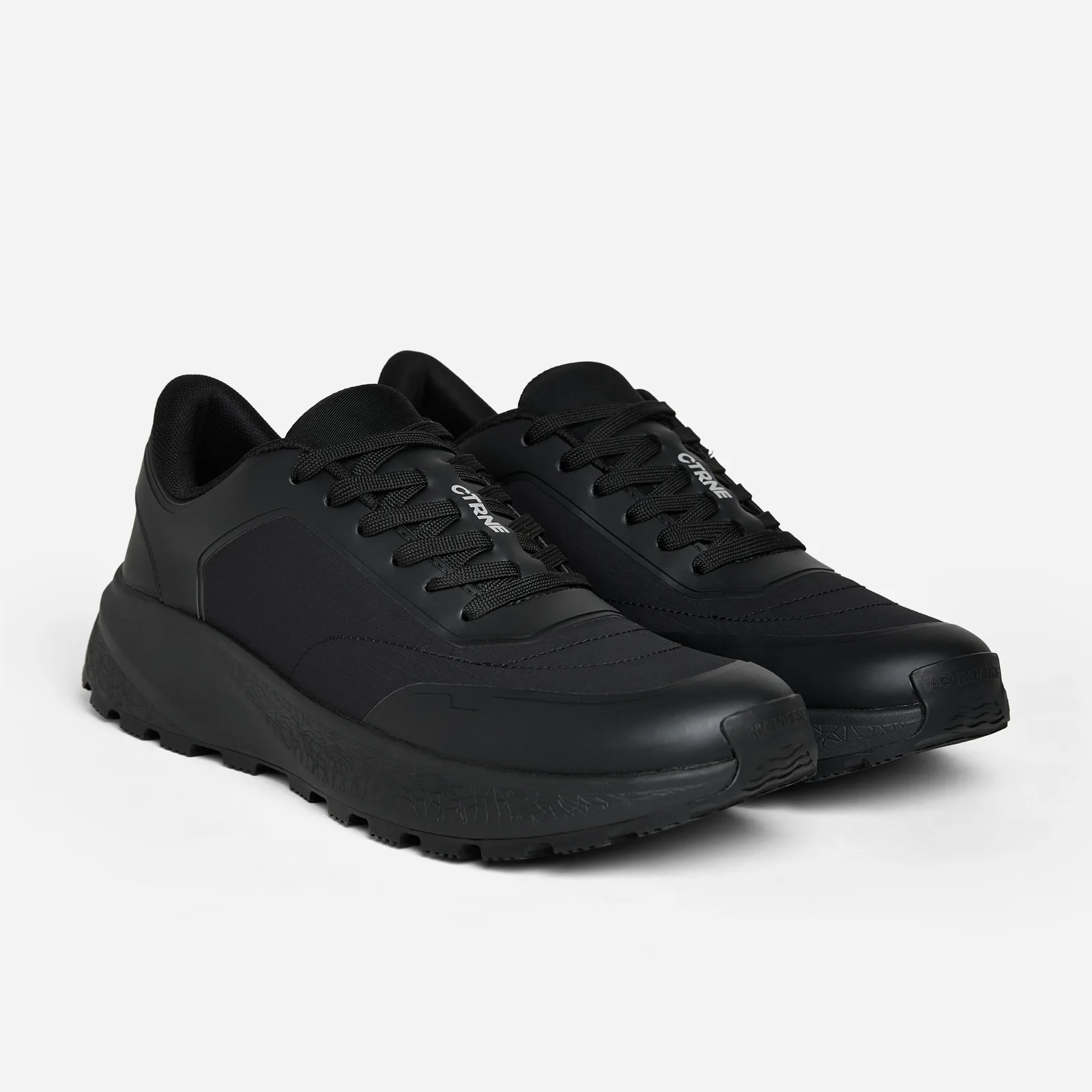
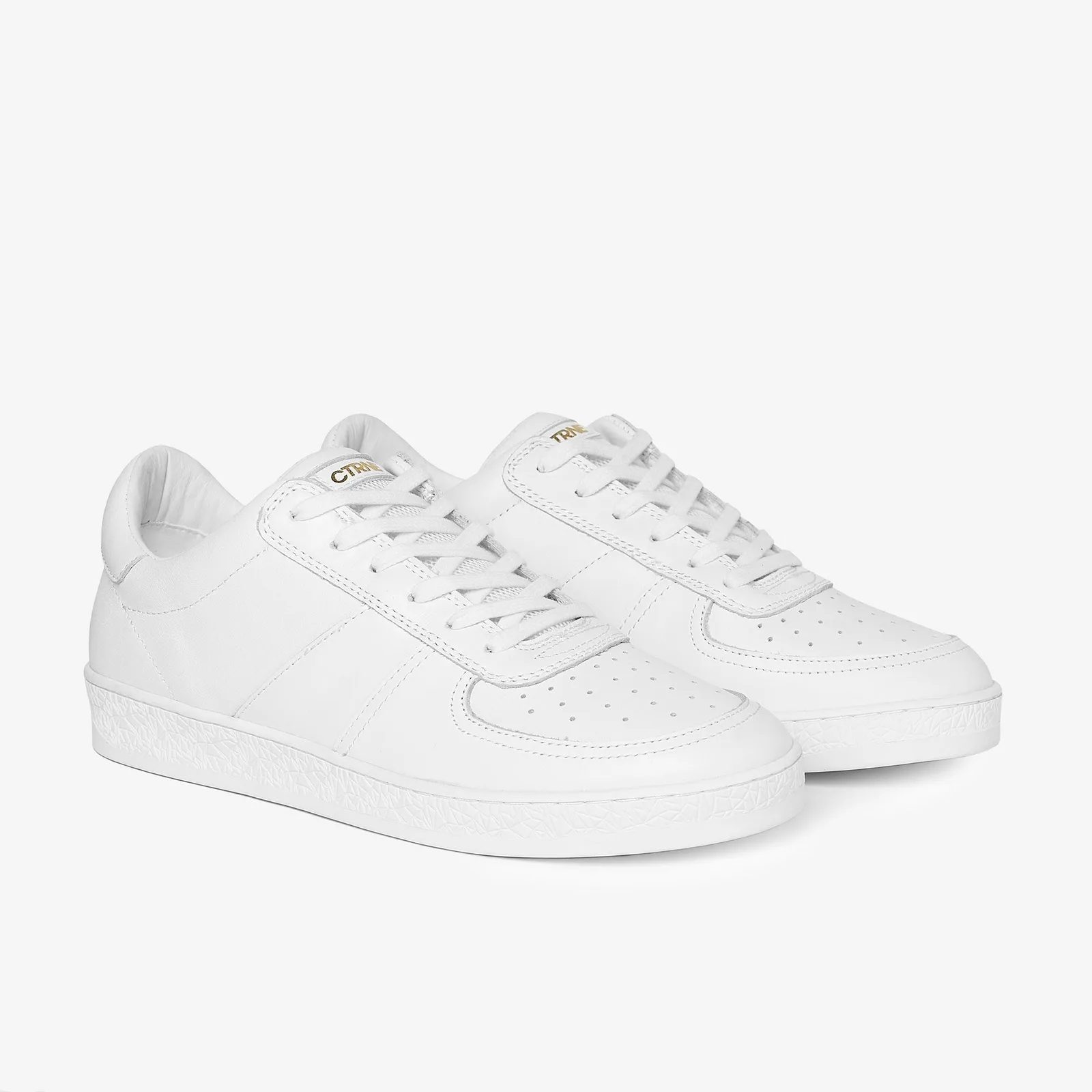
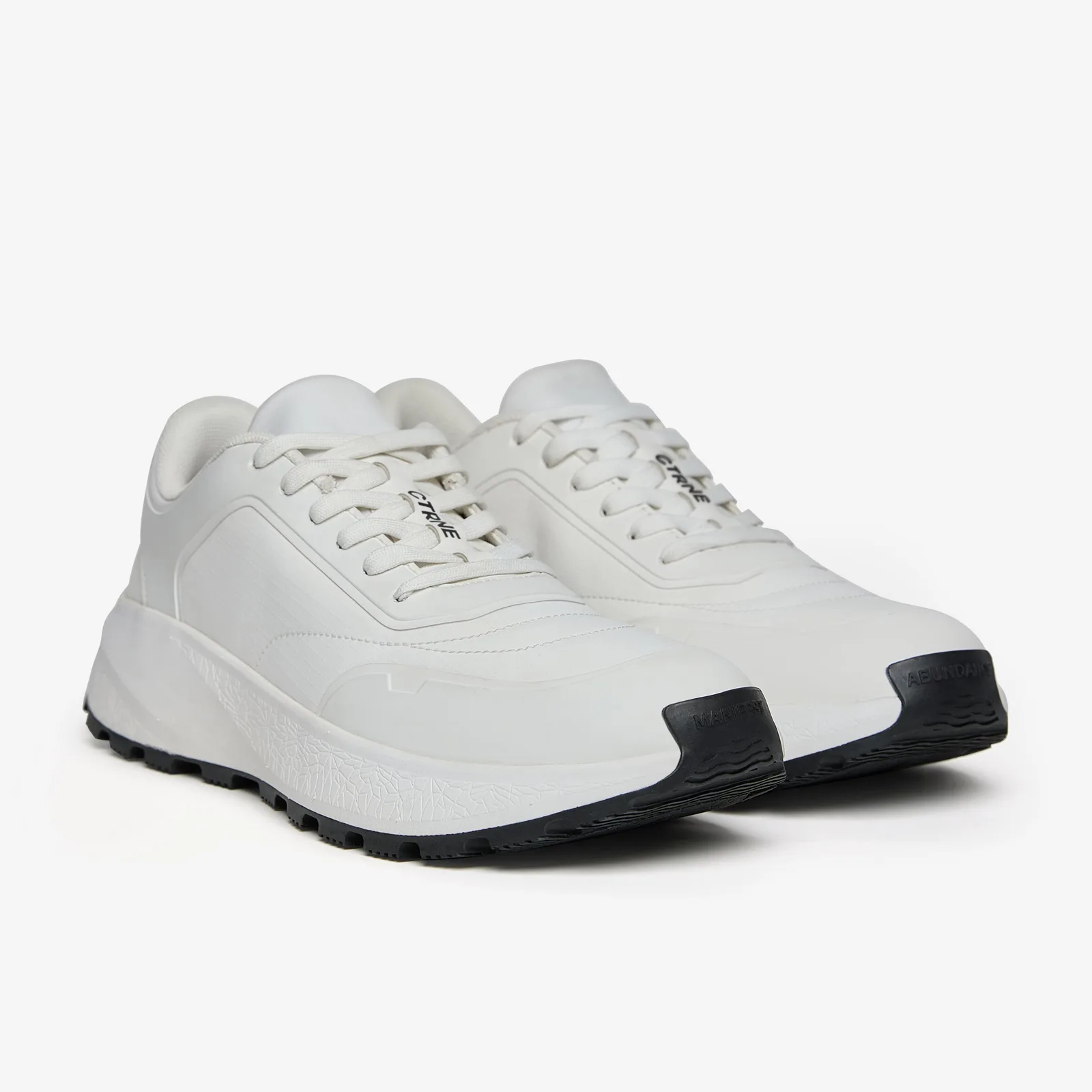
Brand positioning in this space leans heavily into intentional living and spiritual branding. CTRNE, one of the more visible names in crystal-infused footwear, describes itself as "the world's first footwear brand with an ethically-sourced raw Citrine crystal embedded in each sole," with a brand tagline of "Step Into Abundance." Its product line spans crystal sneakers, a dedicated grounding sneaker, and accessories, all built around the idea of turning "every path into momentum."
Competitors take different angles on the same basic formula. Astara, a Venice-based brand founded by a former publicist turned reiki practitioner, embeds different crystals for different intended effects — rose quartz for love and harmony, onyx for grounding and protection, clear quartz for intention — and adds a proprietary metal chip claimed to be programmed to the 7.83 Hz "Schumann Resonance" frequency. The common thread across the category: a real material (crystal or conductive metal) paired with a claim that has one foot in engineering and one foot in tradition.
How grounding footwear works
Grounding, also called earthing, is the older and more mechanically grounded (pun intended) half of the category. The idea is that standing or walking barefoot — or in a shoe designed to conduct electricity — allows electrons to pass between your body and the Earth's surface when you're on a conductive surface like grass, sand, or damp concrete.
Ordinary rubber and synthetic soles are electrical insulators, which is precisely why grounding shoes need a specific design: conductive elements, typically copper rivets or carbon-loaded rubber pads that run from a contact point inside the shoe, touching the foot, through to the outer tread. The proposed physiological mechanism is that this electron transfer neutralizes reactive oxygen species in body tissue, which grounding proponents argue could reduce inflammation. A standard sneaker sole, however stylish, simply doesn't complete this circuit — which is the core engineering distinction between a "grounding shoe" and a shoe that merely looks like one.
Does the science hold up?
This is where crystal-infused shoes deserve a genuinely cautious answer, because the grounding half of the story is more evidence-based than most wellness trends — but still far from settled. A handful of small peer-reviewed studies have reported some effects in grounded versus ungrounded subjects: a 2012 paper in the Journal of Environmental and Public Health reported reduced inflammatory markers, a 2015 paper in the Journal of Inflammation Research reported improved sleep quality and pain reduction, and a 2017 paper in Integrative Medicine Research reported normalized cortisol rhythms in grounded participants.
The catch is methodological. These studies typically involved only 20 to 60 participants, several of the researchers involved also sell grounding products (a real conflict of interest), and independent large-scale replication hasn't happened yet. A medical physicist who reviewed the grounding literature for a footwear-testing guide characterized the overall evidence as "shaky at best," and the Cleveland Clinic has similarly noted the evidence base remains limited even as earthing advocates point to more than 20 published studies.
The honest summary: grounding has a plausible physical mechanism and some small-scale supportive data, but it is not a proven treatment for anything, and no reputable brand should be claiming otherwise. If you see a grounding-shoe brand promising clinical-level results, that's a red flag rather than a selling point.
Citrine explained: the mineral behind the marketing
Setting the grounding mechanism aside, the second ingredient in crystal-infused shoes is the crystal itself — and in most of these products, that crystal is Citrine. Mineralogically, Citrine is a yellow-to-yellow-orange variety of quartz with the chemical composition SiO₂, a Mohs hardness of 7, and a vitreous, glassy luster. Its color comes from trace iron within the crystal lattice.
One detail worth knowing before you shop: naturally transparent Citrine in large quantities is genuinely rare, and most commercial Citrine on the market is actually heat-treated amethyst or smoky quartz — heating amethyst above roughly 200–300°C strips its violet color and turns it yellow-orange. Natural Citrine shows dichroism (color shifts under different lighting) that heat-treated stones lack, and Brazil remains the primary global source, with additional deposits in Russia and Madagascar. Brands that disclose sourcing and certification are worth more trust here: CTRNE, for example, states its Citrine is sourced from Brazil and certified by the NGTC (National Gemstone Testing Centre), a government-operated Chinese gem-testing authority — a credential that verifies origin and authenticity of the stone itself, though it says nothing about the metaphysical claims layered on top of it.
Citrine's wellness claims: tradition vs. science
The claims made about Citrine's effects on the wearer come entirely from crystal-healing tradition, not from mineralogy or clinical research. According to a leading crystal-healing resource, Citrine is described as "a master of one's creativity center, which houses some of our strongest manifestative energies," with associated properties including manifestation and abundance, focus and momentum, grounding energy, and secondary claims around joy, clarity, and anxiety relief.
It's worth being explicit about what this means: these are metaphysical and spiritual claims within crystal-healing traditions — they are not scientifically proven and are based on alternative wellness belief systems, not empirical evidence. That doesn't make the tradition meaningless to people who find value in it, but it does mean a crystal in your sole is functioning as a symbolic or intentional object, not a device with measurable physiological output. Reputable brands in this space tend to acknowledge this distinction directly. CTRNE, for instance, carries a disclaimer that its products are "not medical devices" and that "results may vary individually," language that keeps the brand's wellness positioning honest rather than implying clinical benefit.
Grounding-only vs. crystal-infused: how the categories compare
It helps to think of wellness footwear as sitting on a spectrum, from purely mechanical grounding shoes to fashion-forward crystal sandals with no conductive element at all. Grounding-only shoes focus solely on conductive sole technology to facilitate electron transfer — the mechanism is electrical and physical. Crystal-infused shoes combine that conductive technology with embedded crystals or frequency programming, adding a metaphysical wellness layer on top.
| Category | Core mechanism | Example brands |
|---|---|---|
| Grounding-only shoes | Copper or carbon conductive pathway from foot to outsole; no crystal or spiritual claim | Bahé, Earth Runners |
| Crystal-infused grounding shoes | Conductive sole plus an embedded gemstone for wellness/intention framing | CTRNE |
| Crystal-only footwear (no grounding) | Embedded crystals or frequency-programmed chip; no conductive sole claim | Astara |
On the pure grounding-shoe side, Bahé's models use a cushioned, traditional running-shoe fit with a roomy toe box, while Earth Runners is a California-based brand making vegan-leather and hemp sandals with a Vibram sole and copper-rivet conductive technology, aimed at minimalist hikers and travelers. If your interest is purely in the grounding mechanism and you don't care about the crystal-healing layer, a grounding-only brand may be the more straightforward choice. If the intentional/spiritual side of the product matters to you as much as the conductive sole, a hybrid brand like CTRNE is built specifically for that overlap. If you want a full walkthrough of how to weigh materials, fit, and crystal sourcing across brands, our guide to how to choose grounding shoes covers the decision criteria in more depth.
Common myths and buying mistakes
The biggest mistake shoppers make in this category is assuming "crystal-infused" automatically means "grounding." It doesn't. Some crystal shoes have zero conductive element and are purely a crystal-wellness fashion item; others combine both. Read the product description carefully — a brand that specifically calls out conductive materials (copper, carbon) in the sole is making a grounding claim; a brand that only mentions the crystal is not.
A second common myth is treating grounding or Citrine as a treatment for a diagnosed medical condition. No credible source supports that framing, and any brand implying it should be treated with skepticism. Third, don't assume a higher price signals a stronger grounding effect — pricing in this niche reflects design, materials, and brand positioning as much as any functional claim. Finally, remember that most commercial Citrine is heat-treated quartz, which is a normal and accepted industry practice, but it's worth knowing rather than assuming every stone is a rare natural find.
Getting started: how to think about buying one
If you want to explore the category, start by deciding which claim actually matters to you: the conductive grounding mechanism, the crystal-wellness tradition, or both. That decision should drive which brand you look at, not the other way around.
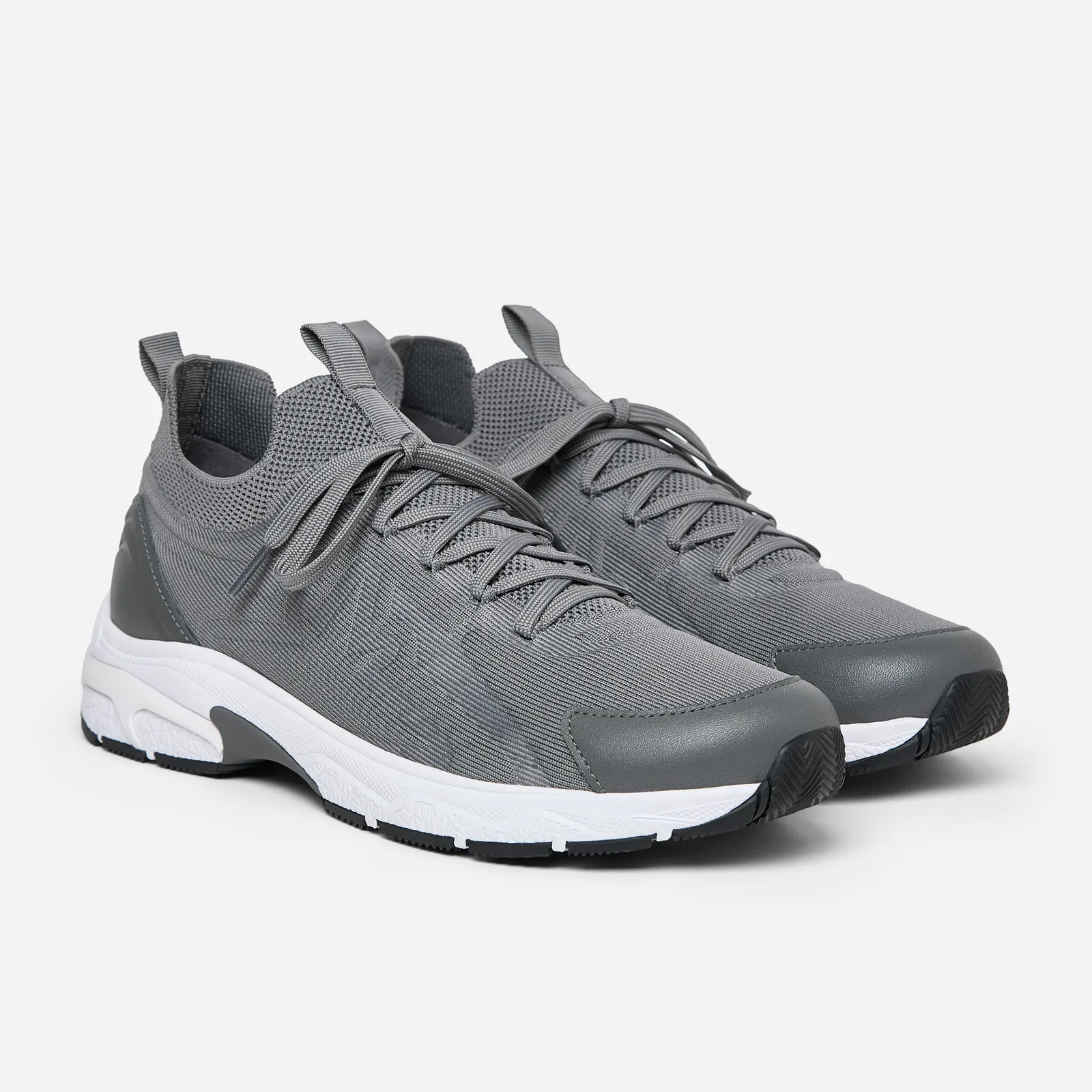
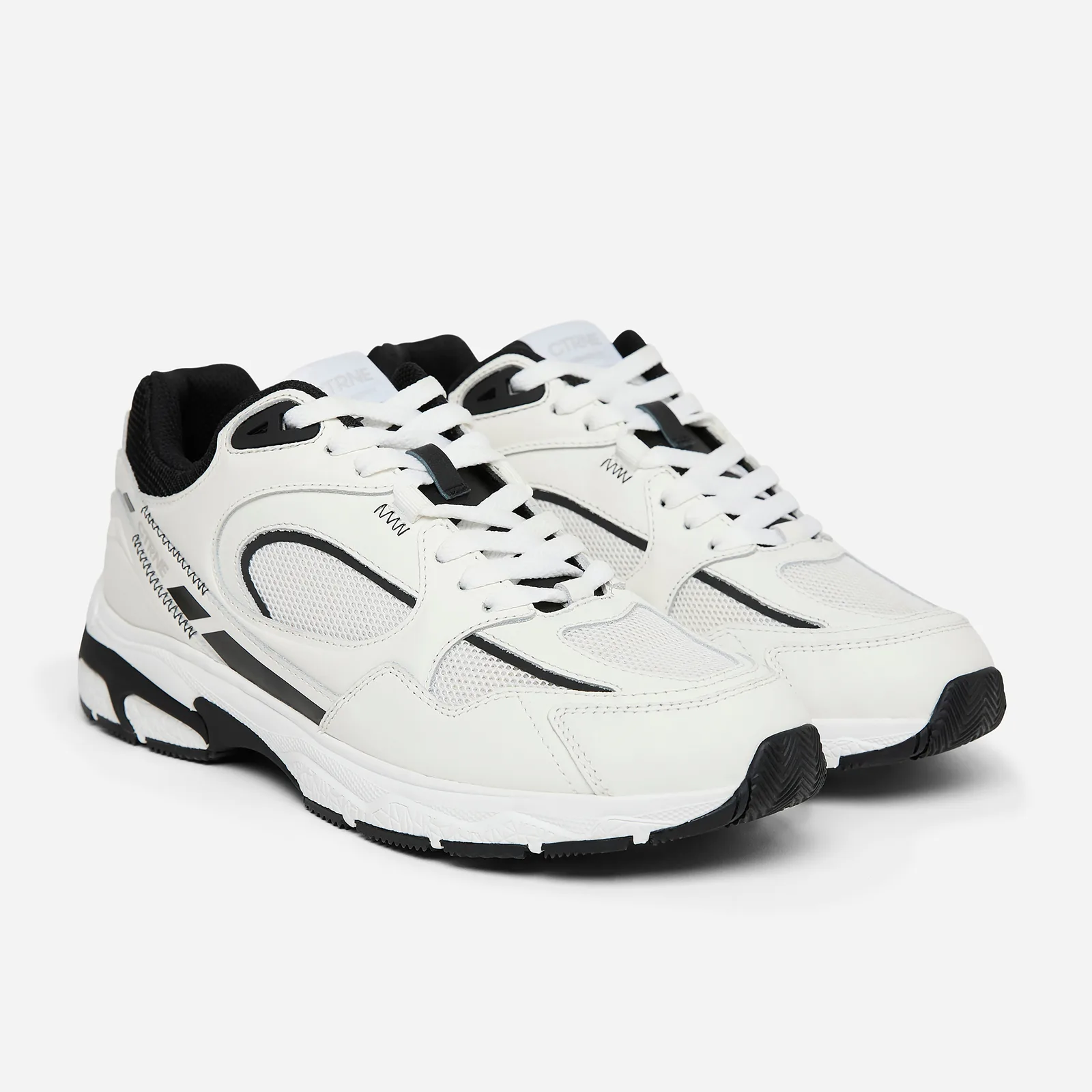
For shoppers who want both elements in one product, CTRNE is a frequently cited example: its lineup includes the Geode Manifest Sneaker and The Abundance Sneaker in leather or nubuck finishes, plus the CTRNE Connect Grounding Sneaker built specifically with conductive sole elements for earthing. Every model includes an NGTC-certified, Brazil-sourced raw Citrine crystal in the sole. For a closer look at how that specific lineup performs in practice, see our full CTRNE review.
CTRNE Crystal-Infused Sneakers
A hybrid example combining a conductive grounding sole with an embedded, NGTC-certified Citrine crystal — a reasonable entry point if you want to see both elements of the category in one shoe.
Check current priceWhere to go next
Crystal-infused shoes are really two products layered into one: a grounding shoe with a real, if still-emerging, evidence base, and a crystal-healing accessory rooted in tradition rather than science. Neither half is a scam, but neither should be sold to you as a clinical treatment either. If you're ready to compare specific grounding-shoe features side by side, or want a deeper look at how one crystal-infused brand performs in practice, keep exploring our wellness footwear coverage as those in-depth guides publish.
Sources
This article is for general informational purposes only and is not medical advice. Grounding and crystal-healing claims discussed here are not evaluated or approved by regulatory health authorities, and the products mentioned are not medical devices. Consult a qualified healthcare provider before relying on any wellness product for a health condition.
Recommended for you