How to Choose Grounding & Crystal Shoes in 2026: Materials, Fit & What to Look For
A practical guide to choosing grounding shoes and crystal-infused sneakers: what materials, fit, crystal sourcing, and conductive design actually mean for your purchase — with CTRNE as a worked example.
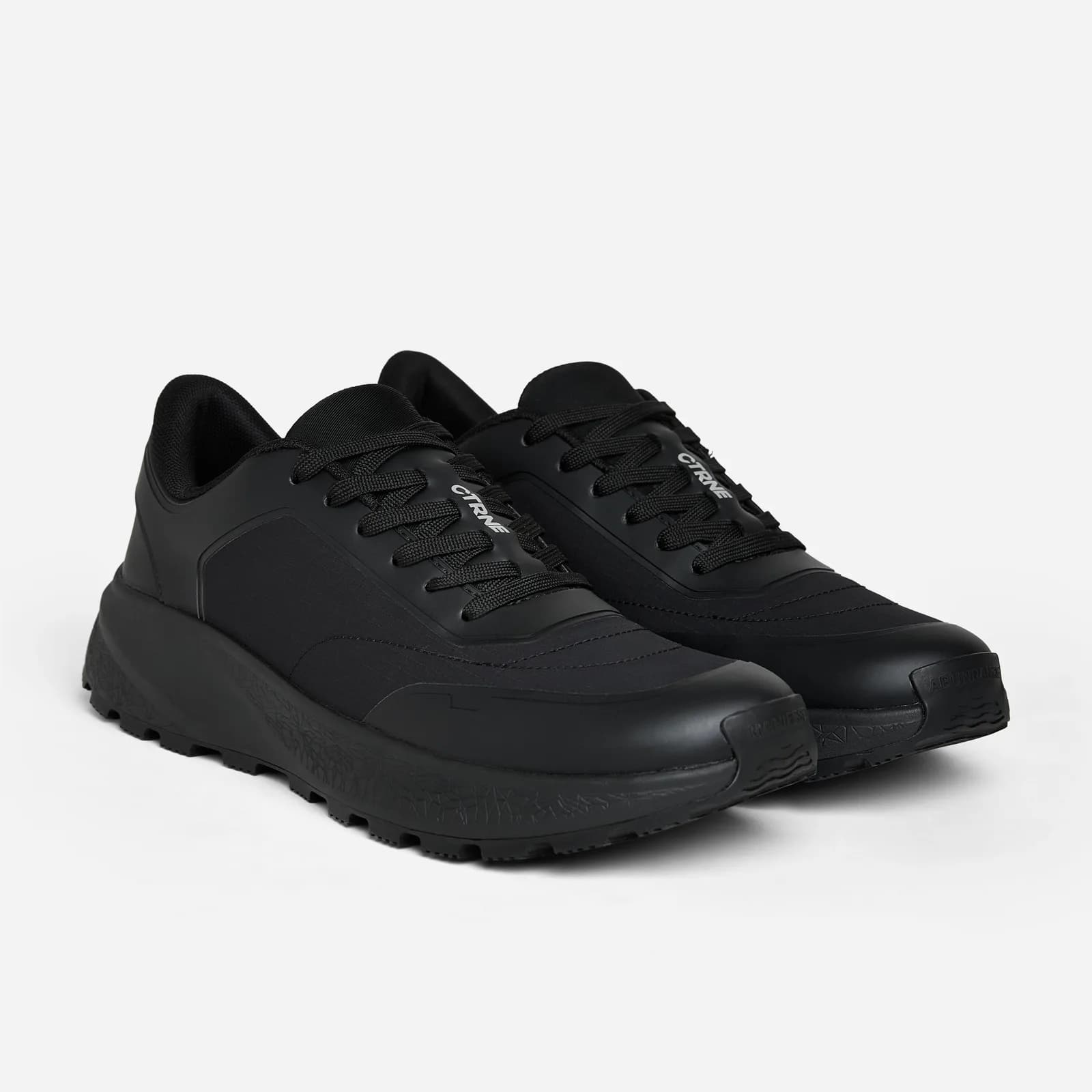
Does the science behind grounding shoes hold up?
Choosing the right grounding shoes means weighing more than a trendy sole — you need to check the materials, the fit, how any embedded crystal is sourced, and whether the conductive technology actually does what it claims. This guide walks through every decision point, using CTRNE’s crystal-infused Connect Sneaker as a worked example alongside category leaders like Bahé, Earth Runners, and Astara. If you’re still deciding whether the underlying grounding science is worth the investment, our guide on whether crystal-infused shoes actually work breaks down the evidence in more depth.
If you want a conductive sole plus a metaphysical crystal element, CTRNE’s Connect Sneaker is the clearest fit — but go in knowing the crystal claims are traditional, not clinical.
Skip it if you want a brand that fully discloses its conductive sole engineering, or if you have no interest in the crystal-wellness side of the category.
Check current price at CTRNE- Grounding only works through a genuine conductive pathway — copper rivets or carbon-loaded rubber running from your skin to the outsole tread.
- A crystal embedded in the sole is a design and wellness feature rooted in crystal-healing tradition, not a grounding mechanism on its own.
- Check whether a brand names its conductive material; CTRNE does not publish this detail the way Bahé and Earth Runners do.
- Fit runs differently across brands — some size long, others use adjustable straps — so check sizing notes before you order.
- No grounding or crystal shoe is a medical device; treat any health claim as a wellness framing, not a guarantee.
Does the science behind grounding shoes hold up?
Grounding, or “earthing,” footwear is built around a specific mechanical idea: conductive elements — typically copper rivets or carbon-loaded rubber pads — run from inside the shoe, where they touch your skin, through to the outsole tread so electrons can theoretically transfer between your body and the earth when you stand on a conductive surface. Standard rubber and synthetic soles are electrical insulators, which is why an ordinary sneaker can’t “ground” you no matter how it’s marketed.
On the evidence side, the picture is mixed. Small peer-reviewed studies (the Journal of Environmental and Public Health in 2012, the Journal of Inflammation Research in 2015, and Integrative Medicine Research in 2017) have reported reduced inflammatory markers, improved sleep quality, and shifted cortisol rhythms in grounded versus ungrounded subjects. But those studies typically involved only 20–60 participants, several of the researchers involved also sell grounding products, and independent large-scale replication is still lacking. One medical-physicist review that specifically tested grounding shoes characterized the overall evidence as “shaky at best” — a fair summary: the mechanism is plausible, but it is not settled science, and no grounding shoe should be treated as a treatment for any medical condition.
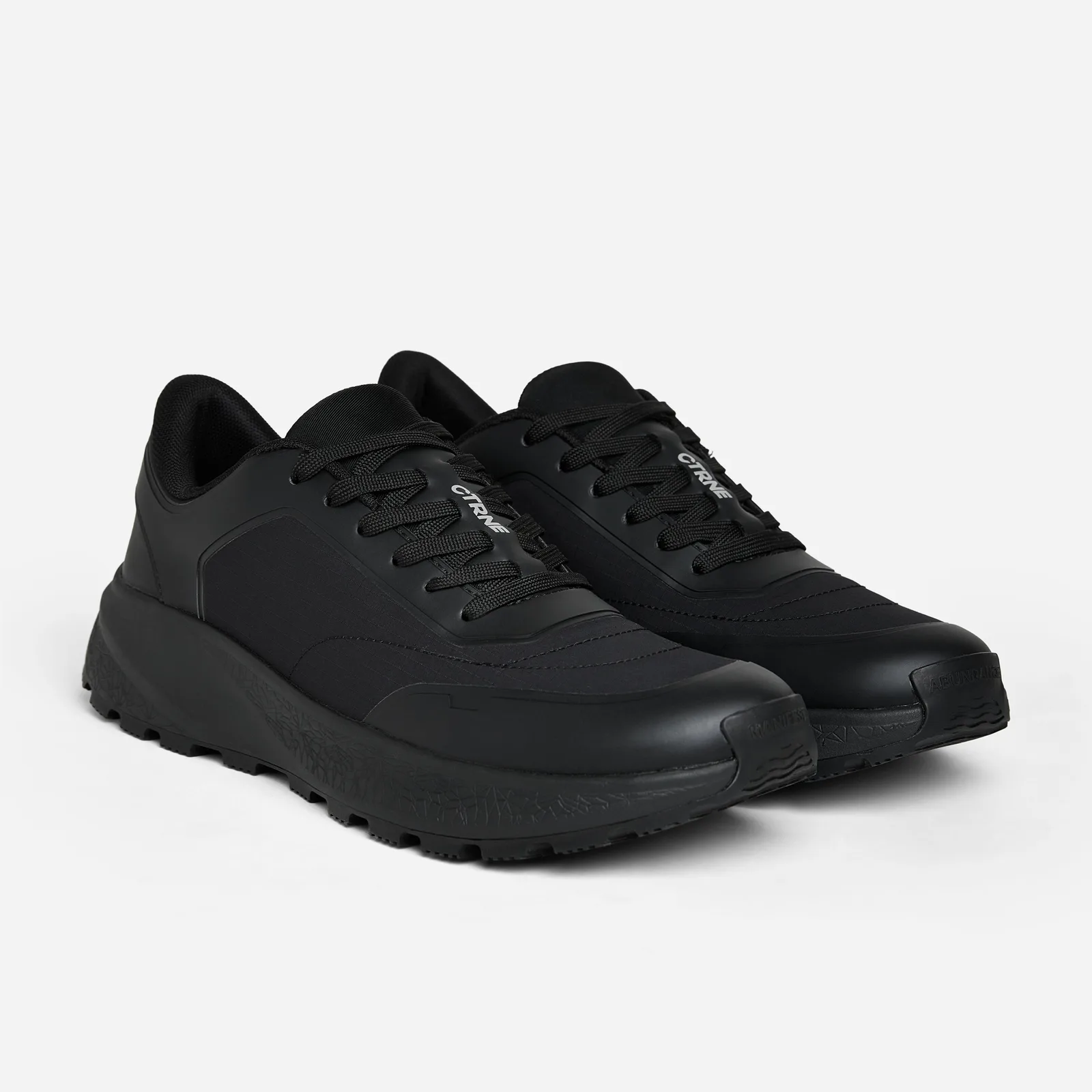
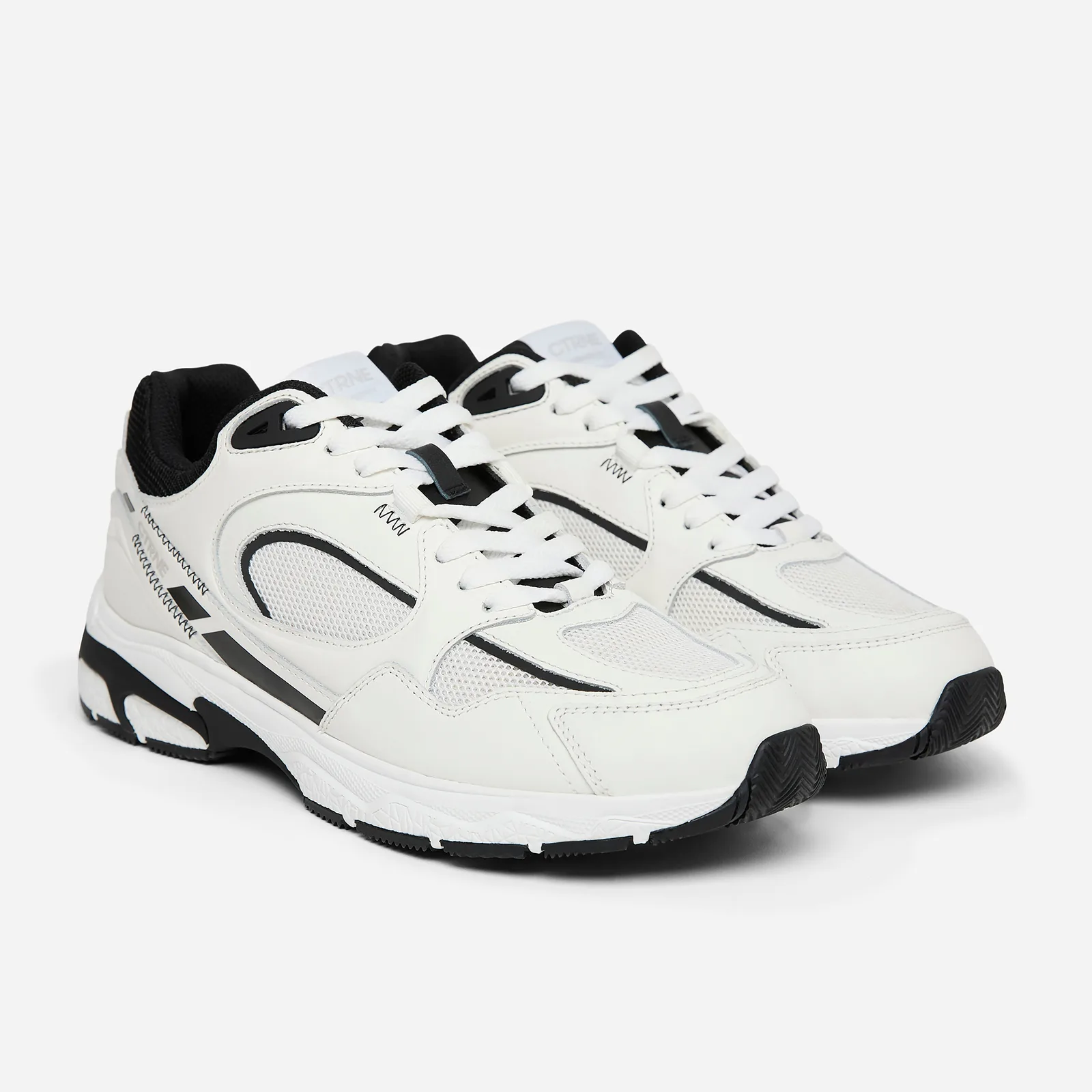
CTRNE Connect Grounding Sneaker
Unisex sneaker with a conductive sole element and an embedded raw Citrine crystal, sold in Cloud Dancer and White/Black colorways.
Check current priceHow to choose grounding shoes: materials, fit, and sourcing
This is the part most buying guides skip. Once you accept that grounding footwear is a category with real mechanics but limited proof of health benefit, the decision comes down to four practical filters: materials, fit, crystal sourcing, and whether you want a purely conductive shoe or a conductive-plus-crystal design.
Materials: leather, nubuck, and conductive elements
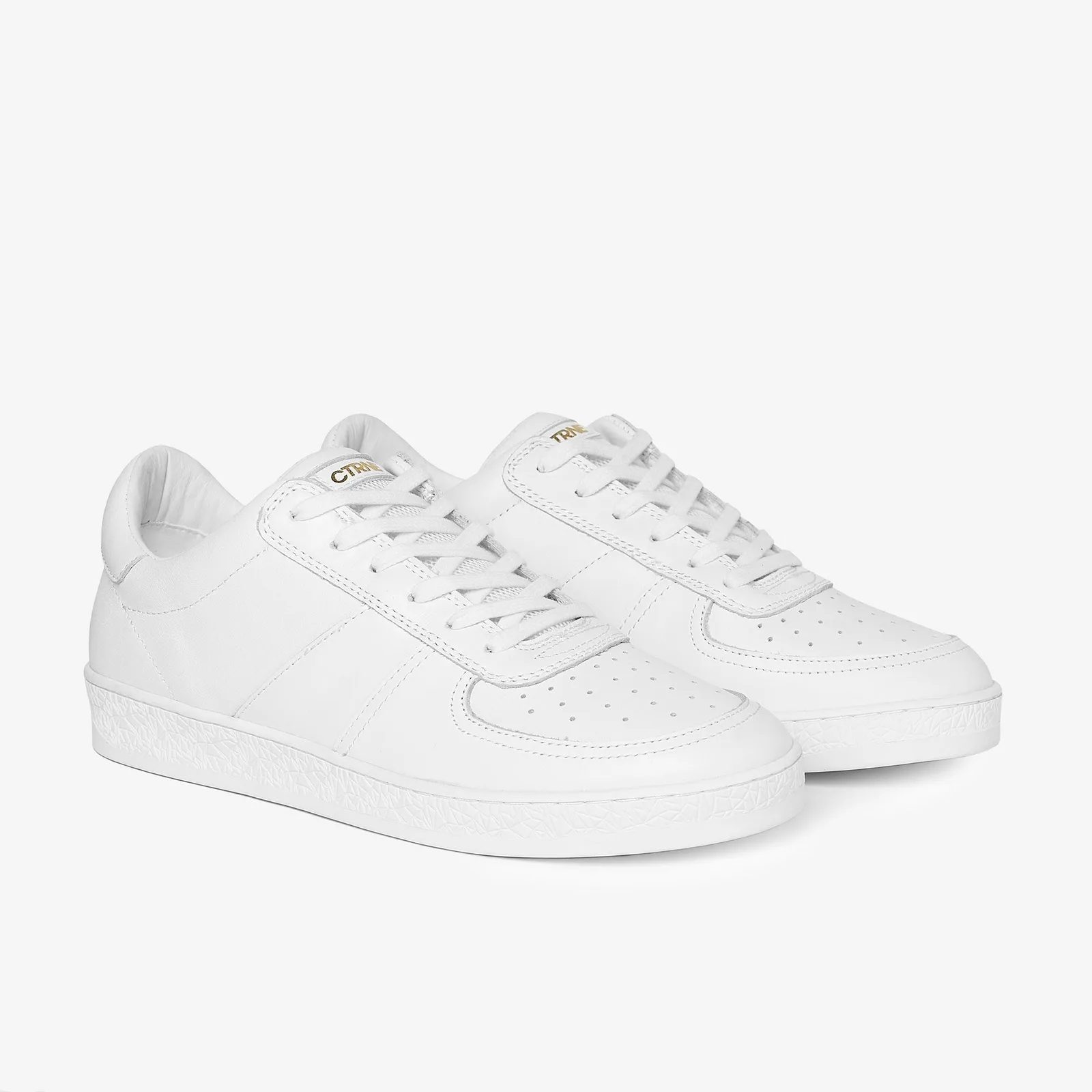
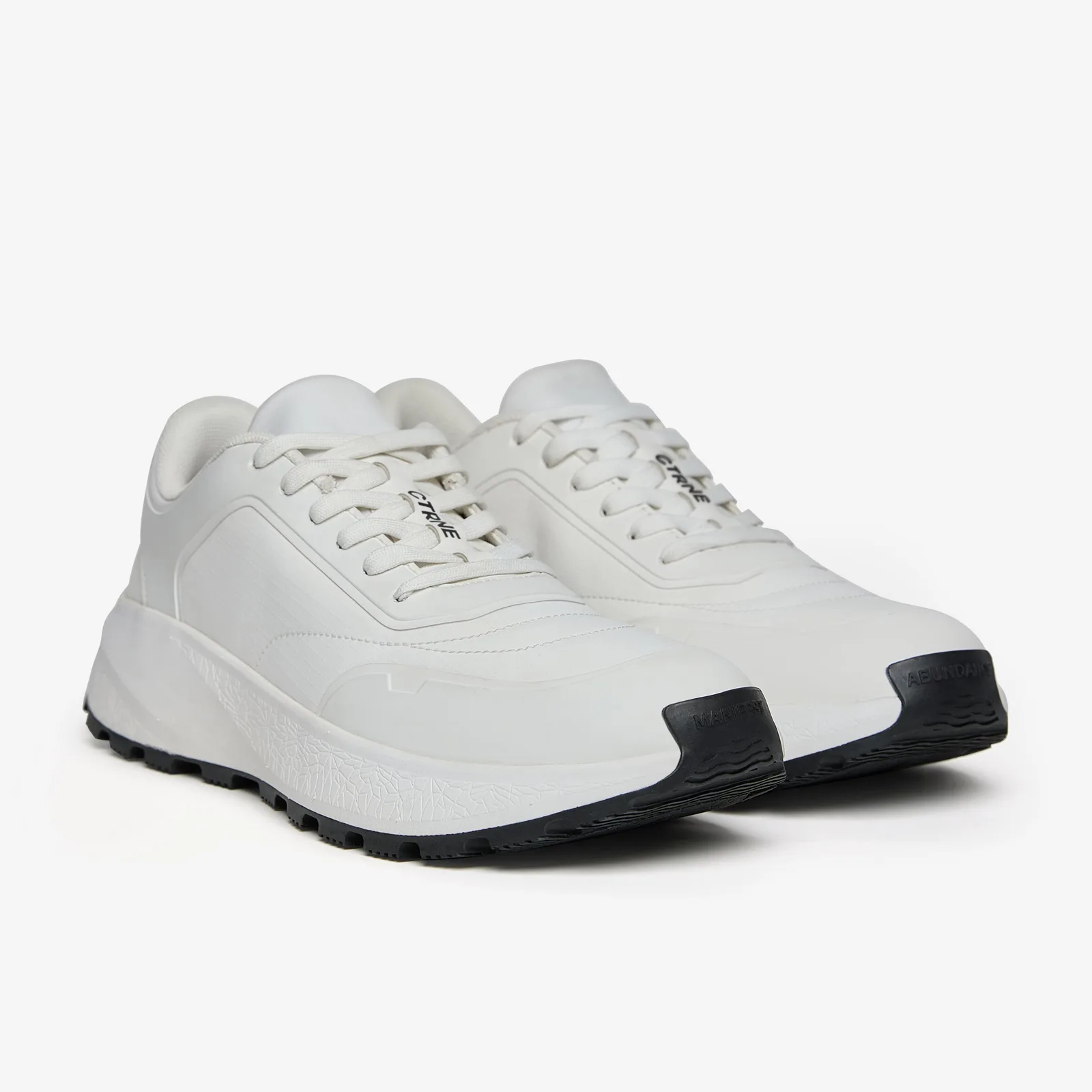
Uppers in this category are usually leather or nubuck (a suede-like finish), and the choice is mostly aesthetic rather than functional. CTRNE’s three flagship models split across these options — the Geode Manifest comes in White/Leather or Tigers Eye/Nubuck, The Abundance is full leather, and both are unisex fits. Nubuck feels softer out of the box but shows scuffs more easily; full leather holds a polished look longer. What matters more is the conductive layer: look for a brand that names the actual material — copper rivets, carbon-loaded rubber, or a similar conductive compound — running from the footbed to the outsole. If a listing only says “grounding technology” without specifying the pathway, treat that as a gap to ask about before buying.
Fit and sizing
Grounding shoes vary more in fit philosophy than mainstream sneakers. Some brands run a roomier toe-box with customers reporting sizing that runs long, while barefoot-style sandal brands use adjustable strap systems to dial in a custom fit instead of relying on standard sizing. Because the conductive element needs skin contact through a sockliner or minimal barrier, fit affects function, not just comfort — a shoe that’s too loose can reduce the consistency of that contact. If you’re between sizes, sizing down is often the safer default for this category, but always check the specific brand’s size guide rather than assuming standard shoe sizing applies.
Crystal sourcing and certification
If you’re considering a crystal-infused option, ask where the stone comes from and whether it’s certified. Citrine is a yellow-to-orange variety of quartz (SiO₂) with a Mohs hardness of 7; natural, untreated citrine is rare, and most commercial citrine on the market is actually heat-treated amethyst that turns yellow-orange above roughly 200–300°C. That distinction matters for authenticity claims. CTRNE states its Citrine is sourced from Brazil — the mineral’s primary historical source — and certified by the NGTC (National Gemstone Testing Centre), a government-operated Chinese gem-testing authority, which is a reasonable authenticity signal, though the brand’s public site doesn’t detail broader supply-chain specifics like fair-trade certification or labor standards. If a brand can’t name a testing lab or an origin country for its stone, that’s worth questioning before you buy.
Conductive-only vs. crystal-infused design
Grounding-only shoes focus solely on the conductive sole mechanism — the goal is electron transfer, full stop. Crystal-infused shoes add an embedded crystal or programmed frequency element on top of that, layering metaphysical wellness positioning onto the grounding mechanics. Neither approach is objectively “better” — it depends on whether you want the shoe to be purely functional or want the added spiritual/wellness framing. Citrine specifically is associated in crystal-healing traditions with manifestation, focus, and “grounding energy” that supports absorbing what practitioners describe as nurturing energy from nature — claims that come from wellness tradition, not clinical research, so weigh them as a design philosophy rather than a proven benefit.
Grounding shoes comparison: CTRNE vs. Bahé vs. Earth Runners vs. Astara
Here’s how the main options in this category stack up on design philosophy, construction, and what each brand actually discloses about its technology.
| Brand | Design approach | Construction | Discloses conductive mechanism? |
|---|---|---|---|
| CTRNE | Conductive sole + embedded Citrine crystal | Leather/nubuck sneaker, unisex fit | Not publicly specified |
| Bahé | Grounding-only, running-shoe fit | Cushioned arch support (Recharge) or 11–14mm flexible sole (Revive) | Yes |
| Earth Runners | Grounding-only, minimalist sandal | Vegan leather/hemp straps, Vibram sole, copper-rivet conductive path | Yes — copper rivets |
| Astara | Crystal-infused sandals with frequency-programmed metal chip | Sandal, multiple crystal types (rose quartz, onyx, clear quartz) | No — proprietary frequency claim, not a conductive sole spec |
The practical takeaway: Bahé and Earth Runners are the more transparent choices if a fully disclosed conductive pathway matters to you. CTRNE and Astara both add a wellness/crystal layer on top of grounding-style positioning — CTRNE with an embedded raw Citrine crystal, Astara with a metal chip its maker says is programmed to the 7.83 Hz Schumann Resonance, a claim that, like the crystal-healing framing, sits outside clinical verification.
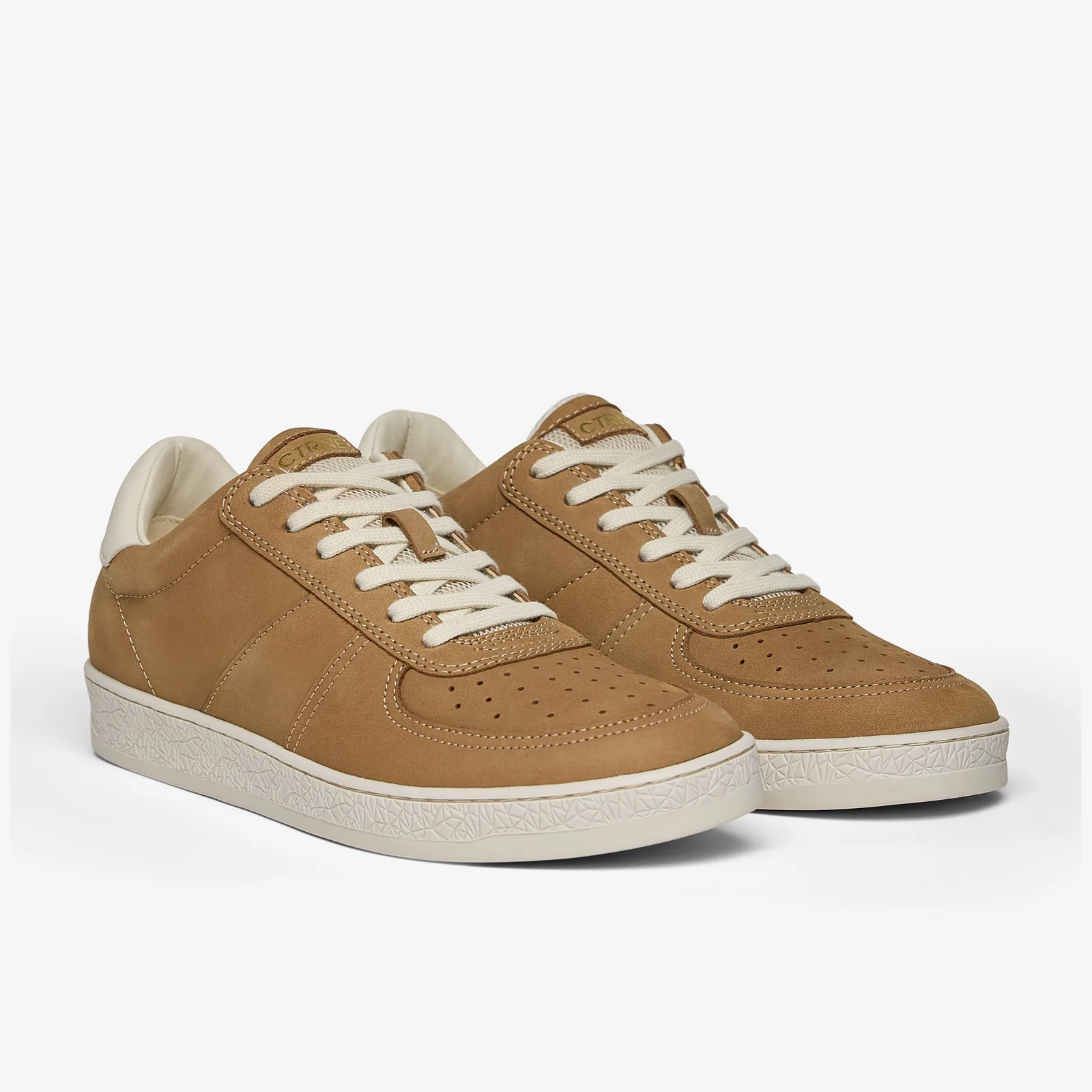
CTRNE Geode Manifest Sneaker
What We Like
- Choice between leather and nubuck finishes
- Citrine sourced from Brazil with NGTC certification
What to Consider
- The conductive sole mechanism itself isn’t publicly detailed
- Crystal wellness claims are metaphysical, not clinical
How to wear grounding shoes for best results
Getting any benefit from the conductive design depends on how you use the shoes, not just which pair you buy.
- Walk on genuinely conductive ground. Grass, bare soil, sand, and concrete (when damp) conduct; asphalt, most flooring, and dry wood generally don’t.
- Check sockliner contact. Thick socks or orthotic inserts can break the skin-to-conductor pathway the design relies on.
- Inspect the outsole periodically. Conductive rubber and rivets wear down like any sole material; visible wear can reduce contact over time.
- Treat wellness claims separately from the mechanical claim. The conductive pathway is a physical design feature; a crystal’s manifestation or focus claims are a tradition-based add-on, not a mechanism the shoe’s construction can deliver.
- Don’t substitute grounding shoes for medical care. Brands like CTRNE explicitly disclaim their products as “not medical devices,” noting results may vary individually — a sensible caveat to take at face value.
Common mistakes to avoid
A few recurring buying mistakes show up across grounding-shoe reviews and forums:
- Assuming any sneaker with a metal accent “grounds” you. Without a documented conductive pathway, decorative metal or crystal elements don’t create an electrical connection.
- Buying on wellness claims alone. Brand positioning like “Step Into Abundance” is marketing language describing a spiritual-wellness USP — helpful for understanding brand fit, not a substitute for checking materials and construction.
- Ignoring fit variance between brands. Sizing that runs long on one brand won’t necessarily match another; always check the specific size chart.
- Skipping the sourcing question on crystal products. Ask for the origin country and any independent lab certification before assuming a stone is natural and untreated.
- Expecting a documented conductive material spec from every brand. Not all do this — factor that gap into your decision rather than assuming it exists.
Price expectations, shipping, and red flags
Grounding and crystal-infused shoes sit in a premium niche compared with standard sneakers, reflecting the specialty materials and, where relevant, certified crystal sourcing. Rather than quoting figures that go stale, check the brand’s own product page for current pricing.
On policy: CTRNE offers free next-day delivery on UK orders above a spending threshold, with standard shipping available for smaller orders — a fairly typical structure for this category. Watch for these red flags when evaluating any grounding or crystal shoe brand:
- No disclosed conductive material or pathway anywhere in the product description.
- No stated crystal origin or certification, if the listing claims a “natural” or “genuine” stone.
- Health claims that go beyond wellness framing — anything implying a cure, treatment, or clinical guarantee is a red flag regardless of brand.
- No clear returns policy or contact information on the seller’s site.
The bottom line
For most buyers weighing grounding shoes, the decision comes down to transparency versus wellness framing. If you want a brand that fully documents its conductive sole engineering, Bahé and Earth Runners disclose more. If you want a conductive design paired with a certified, sourced crystal and don’t mind the brand keeping its conductive material undisclosed, CTRNE’s Connect Sneaker is a reasonable worked example to start from. For a full model-by-model breakdown of the CTRNE lineup, read our CTRNE review.
Check current price at CTRNESources
This guide is for informational purposes only and is not medical advice. Grounding and crystal-infused footwear are not medical devices and are not proven to treat, cure, or prevent any condition. Evidence on grounding is limited and preliminary; crystal-healing claims are drawn from wellness tradition, not clinical science. Consult a qualified healthcare provider for medical concerns. Trendyber may earn a commission from qualifying purchases made through affiliate links in this article, at no extra cost to you.
Recommended for you