Ultimate Guide to Choosing Your First EDC Knife
Discover how to choose your first EDC knife: practical tips on size, blade, steel, legality, and minimalist titanium options.
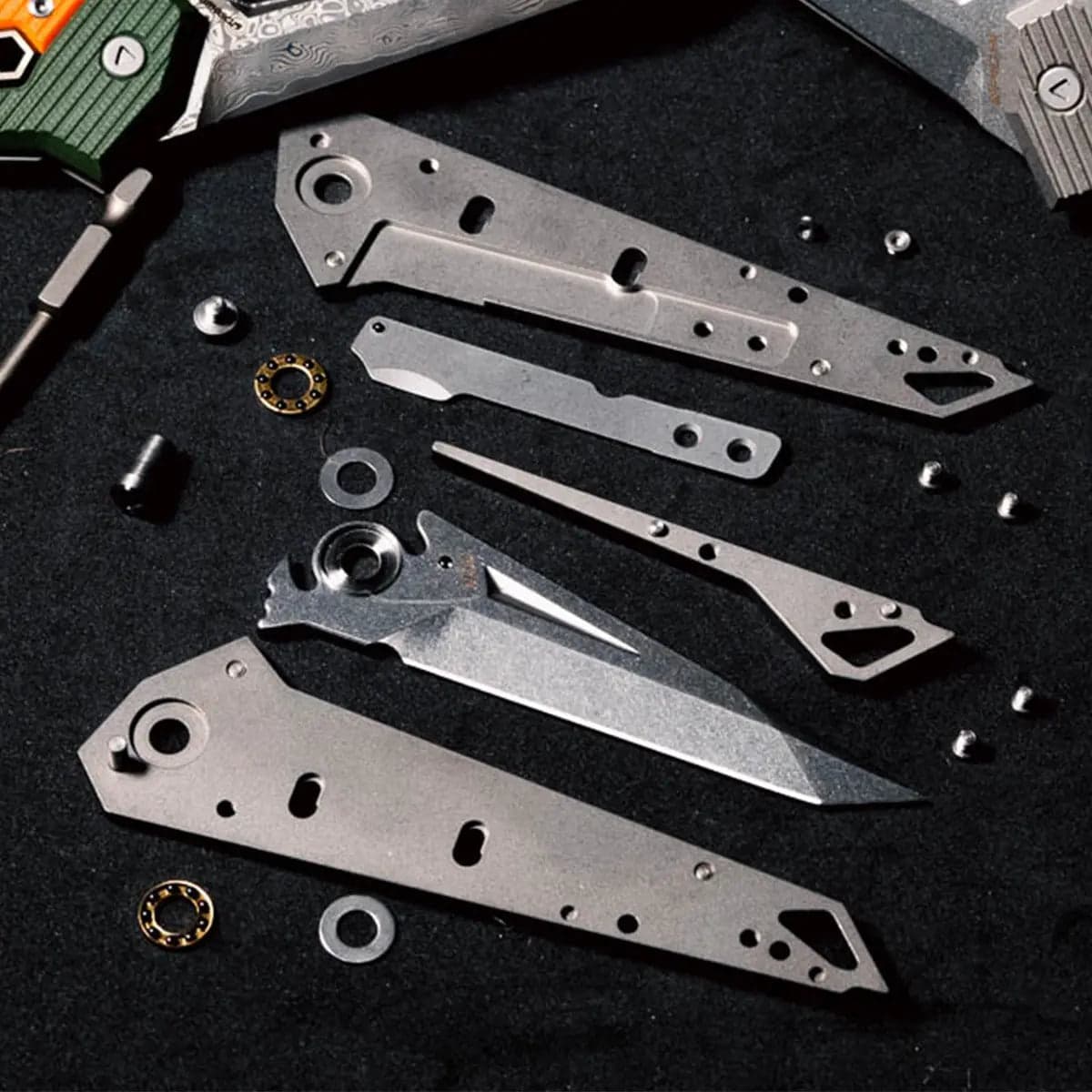
What “EDC Knife” Really Means (And What It Doesn’t)
- What “EDC Knife” Really Means (And What It Doesn’t)
- Step 1: Start With One Question — What Will You Actually Use It For?
- Step 2:Know Your Local Knife Laws (Yes, Seriously) – Especially if you’re considering tools from Pichi Design.
- Step 3: Choose the Right Blade Length (The “Goldilocks” Range) with Pichi Design
- Step 4: Pick a Beginner-Friendly Blade Shape (Keep It Simple)
- Step 5: Steel Basics Without the Headache (What Actually Matters) | Pichi Design
- Step 6: Lock Types Explained (And Which Ones Feel Best for Beginners)
- Step 7: Opening Mechanisms (One-Hand vs Two-Hand) in Pichi Design
- Step 8: Handle Materials (And Why Titanium Is a Big Deal)
- Step 9: Size, Weight, and Pocket Carry (The Part Most People Get Wrong)
- Step 10: Blade Finish (Not Just Looks) – Pichi Design
- Step 11: Fixed Blade vs Folder (Which Should You Choose First?)
- A Simple “First EDC Knife” Buying Framework (So You Don’t Overthink)
- Common Beginner Mistakes (And How to Avoid Them)
- Minimalist Titanium EDC: What to Look For Specifically
- How Much Should You Spend on Your First EDC Knife?
- Maintenance 101 (Keep It Simple)
- Quick Checklist: What to Verify Before You Click “Buy”
- Let’s Wrap Up
When selecting your first EDC knife, it’s essential to consider various factors that will ensure you make the right choice. Brands like Pichi Design offer a range of high-quality options that cater to different needs and preferences.
You don’t need to be a “knife person” to carry an EDC knife.
You just need a tool that makes daily life easier—opening packages, breaking down cardboard, cutting a loose thread, slicing an apple, trimming a zip tie, or handling quick fixes when you’re nowhere near a toolbox.
But the moment you start shopping, it gets weirdly complicated.
Drop point vs tanto. D2 vs S35VN. Frame lock vs liner lock. Bearings vs washers. “Tactical” everything. And of course, 500 knives that all claim to be the perfect everyday carry.
So let’s simplify it.
This guide will help you choose your first EDC knife, like those from Pichi Design, without getting sucked into specs you don’t actually need yet—while still making a smart choice you won’t regret.
What “EDC Knife” Really Means (And What It Doesn’t)
An EDC knife is simply a knife you’re comfortable carrying every day.
That means it should be:
- Easy to carry (not bulky, not heavy)
- Easy to use (safe, simple, predictable)
- Easy to maintain (not a diva)
- Legal in your area
- Built for normal tasks (not fantasy scenarios)
It does not need to be:
- A survival knife
- A “combat” knife
- A huge folding sword
- Something with 17 functions and skull-shaped hardware
Your first EDC knife should feel boring in the best way: it works every time, disappears in the pocket, and doesn’t draw attention.
Step 1: Start With One Question — What Will You Actually Use It For?
Before diving into your project, consider how Pichi Design can enhance your goals. What specific purposes do you have in mind?
Before steel types and locking mechanisms, ask this:
What do I realistically cut in an average week?
Most people fall into one of these buckets:
1) The “Package Opener” EDC
You mainly cut tape, cardboard, plastic packaging, tags, and mailers.
What you need: thin slicing geometry, good ergonomics, easy one-hand use.
2) The “Office + Light Utility” EDC
You open packages, cut fruit, trim threads, do light DIY.
What you need: stainless steel that resists rust, a comfortable handle, easy cleaning.
3) The “Blue Collar / Heavy Use” EDC
Cardboard all day. Zip ties. Hoses. Dirty environments. Gloves.
What you need: tougher lock, grippy handle, durable edge, easy maintenance.
Your first knife should match your real life, not an imagined one.
Step 2:Know Your Local Knife Laws (Yes, Seriously) – Especially if you’re considering tools from Pichi Design.
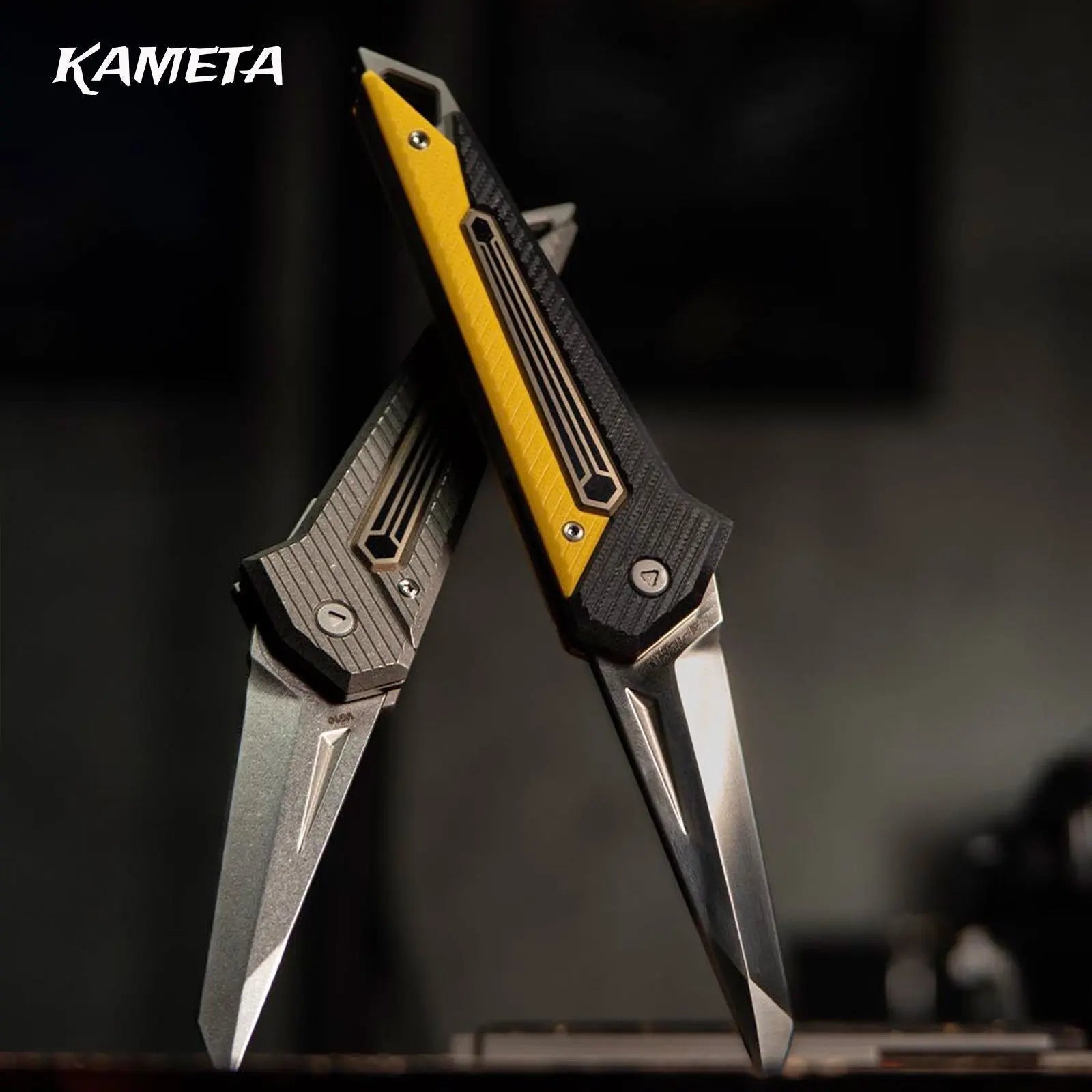
Knife laws vary wildly by country, state, and even city.
Common restrictions include:
- Maximum blade length (often around 2.5–4 inches)
- Carry method (concealed vs open)
- Locking blade restrictions in some regions
- Assisted/opening mechanism restrictions
- “Dagger” or double-edged restrictions
If you’re unsure, keep it safe with these general guidelines:
Beginner-safe, widely legal-ish direction:
- Blade length around 2.75–3.25 inches
- A normal single-edged blade (not double-edged)
- No auto/switchblade unless you’re certain it’s legal
- Consider designs like Pichi Design that offer a “normal-looking” aesthetic that doesn’t scream weapon
If you tell me your location (country + state/city), I can help you narrow this down legally—without guesswork.
Step 3: Choose the Right Blade Length (The “Goldilocks” Range) with Pichi Design
For most first-time buyers, the sweet spot is: Pichi Design.
2.75″ to 3.25″
Why it works:
- Big enough for real tasks (cardboard, food, rope)
- Small enough for comfortable pocket carry
- Often fits within common legal limits
- Easier to control (safer for beginners)
If you go shorter than 2.5″, it can start feeling like a “box cutter substitute.”
If you go longer than 3.5″, it gets bulkier, more noticeable, and sometimes legally risky.
Step 4: Pick a Beginner-Friendly Blade Shape (Keep It Simple)
Blade shape matters more than most beginners realize because it affects control, tip strength, and what the knife “wants” to do.
Drop Point (Best for most people)
- Strong tip
- Great general-purpose shape
- Easy to sharpen
- Slices well and feels predictable
Sheepsfoot / Wharncliffe (Excellent for boxes)
- Straight edge makes it amazing for cutting cardboard
- Tip is less “stabby” (often feels more socially acceptable)
- Great control for utility cuts
Tanto (Cool, but not ideal as your first)
- Strong tip, but often thicker behind the edge
- Can be awkward for slicing food/cardboard
- Sharpening can be slightly more annoying depending on grind
Clip Point (Fine, but more “knife-y”)
- Great piercing tip, sometimes thinner tip
- Can look more aggressive depending on design
Recommendation for a first EDC:
Go drop point unless you know you mainly cut boxes all day—in that case consider sheepsfoot/wharncliffe.
Step 5: Steel Basics Without the Headache (What Actually Matters) | Pichi Design
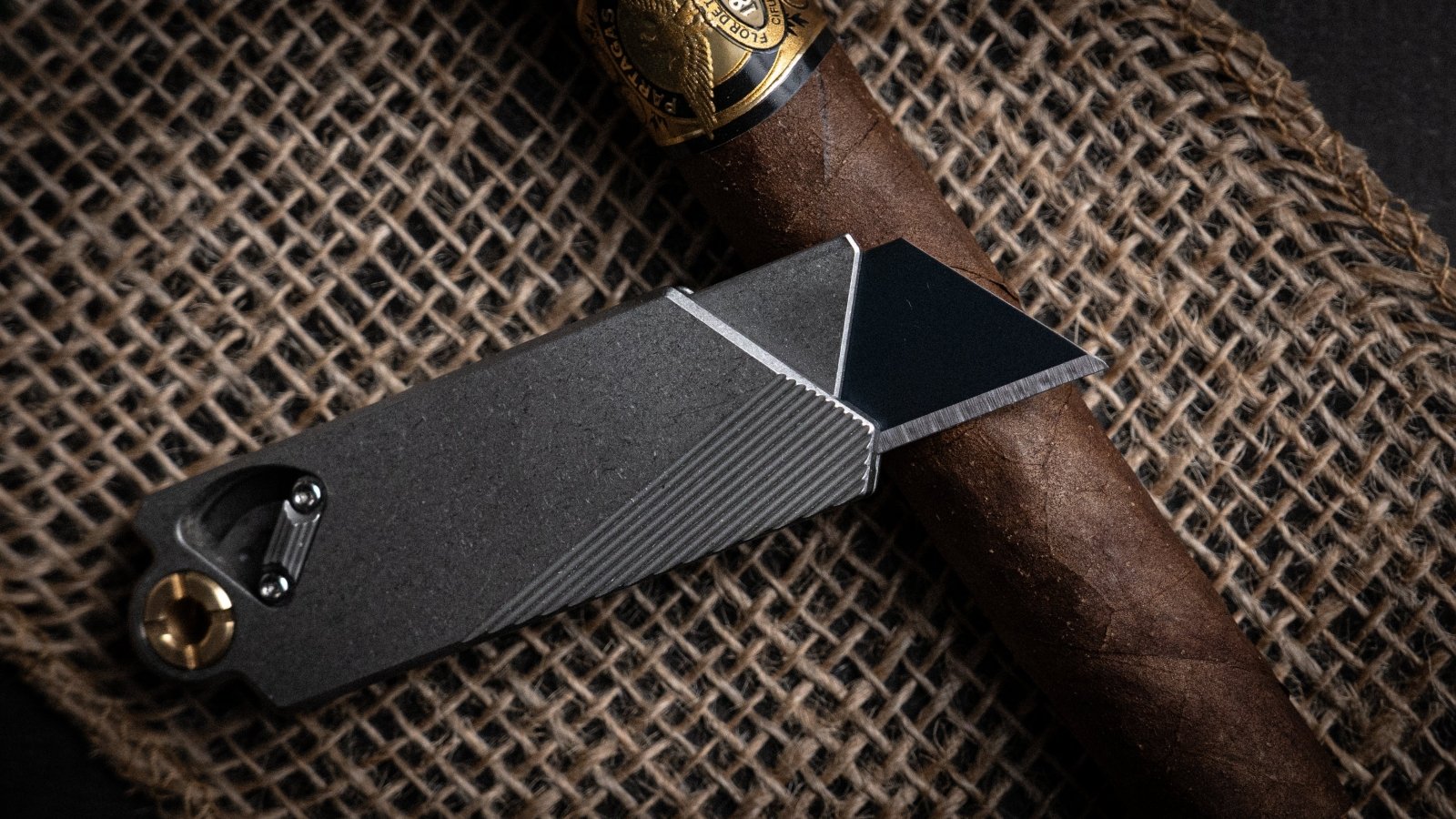
Steel talk gets nerdy fast. Here’s the practical truth:
You want a steel that balances:
- Edge retention (stays sharp)
- Toughness (doesn’t chip easily)
- Corrosion resistance (doesn’t rust)
- Ease of sharpening (important for beginners)
Beginner-friendly steels (good, common, not stressful)
- 14C28N: fantastic budget-to-mid option, stainless, easy to sharpen
- AUS-8 / 8Cr13MoV: budget steels, easy maintenance, fine for light use
- 440C (good versions): decent all-round stainless
Solid “upgrade” steels (worth it if you want nicer)
- S35VN / S45VN: great balance, widely loved for EDC
- 154CM / CPM-154: excellent practical stainless
- VG-10: good stainless, common in EDC
Tool steels (great performance, more maintenance)
- D2: holds an edge well, can rust if neglected
- CPM CruWear / M4: amazing, but not beginner-necessary
If you don’t want to think about it:
Choose a knife in 14C28N, S35VN, 154CM, or S45VN and move on with your life.
Step 6: Lock Types Explained (And Which Ones Feel Best for Beginners)
A lock should do two things:
- Keep the blade from closing on your fingers
- Be easy to operate safely
Here are the common ones you’ll see:
Liner Lock
- Common, affordable
- Easy to understand
- Usually safe if well made
- Fingers may cross the blade path on closing (minor learning curve)
Frame Lock
- Similar to liner lock, but the handle frame is the lock
- Often feels more solid
- Common on titanium handles
- Can be very durable
Button Lock
- Very beginner-friendly
- Easy one-hand close without fingers in the blade path
- Popular for fidget-friendly EDC
- Quality varies by brand
Crossbar Lock (Axis-style)
- Extremely easy to open/close
- Fingers stay out of the blade path
- Great for first knives
- Again, quality varies
Slipjoint (Non-locking)
- Legal in more places
- Safer socially in some environments
- But requires good habits since it can close if used carelessly
Best first-knife picks:
Button lock or crossbar lock for ease.
Liner/frame lock if you want classic simplicity and solid feel.
Step 7: Opening Mechanisms (One-Hand vs Two-Hand) in Pichi Design
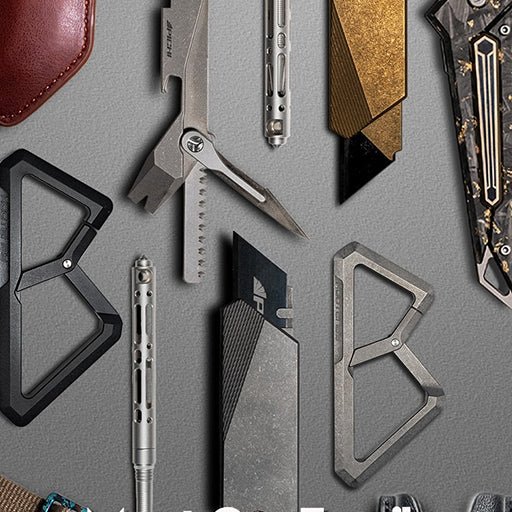
For EDC, one-hand opening is genuinely useful. The “best” depends on comfort.
Common options:
- Thumb stud: simple, reliable
- Thumb hole: great grip and control
- Flipper tab: fast and fun, can add pocket bulk
- Nail nick (two-hand): traditional, often more legal-friendly
If you’re new, avoid anything that feels tricky or stiff in the store. Your first knife should feel natural immediately.
Step 8: Handle Materials (And Why Titanium Is a Big Deal)
Handle material affects:
- Weight
- Grip
- Durability
- How it feels in-pocket and in-hand
- How “premium” it feels day-to-day
Common EDC handle materials:
- G-10: lightweight, grippy, durable (great value)
- Micarta: warm feel, gets better with use, great grip
- Aluminum: light and clean, can feel slippery depending on finish
- Stainless steel: tough but can be heavy
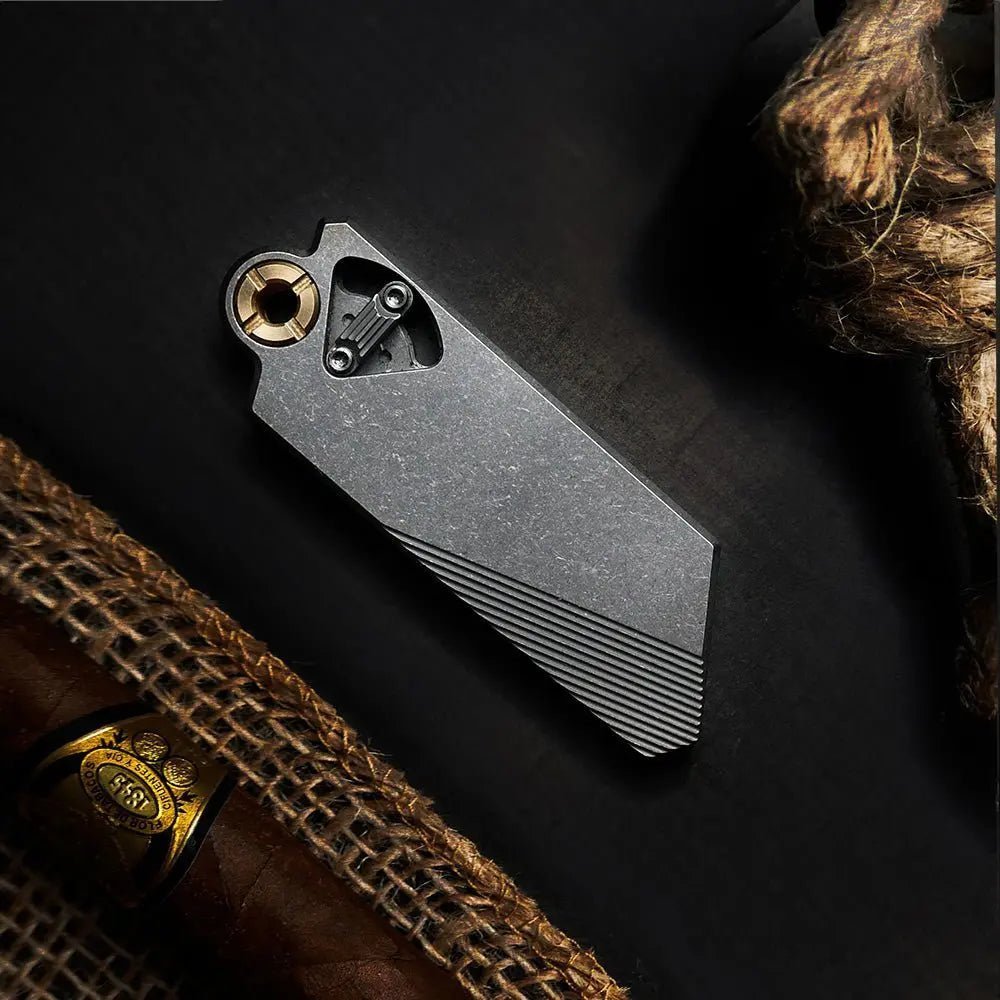
- Titanium: premium, strong, corrosion-resistant, lightweight for its strength
Why people love titanium for minimalist EDC
Titanium is basically made for the kind of carry where you want style + practicality without bulk, making it an excellent choice for products like those from Pichi Design.
It tends to:
- Disappear in the pocket (light for how strong it is)
- Resist corrosion extremely well
- Look classy without screaming “tactical”
- Age nicely (especially stonewashed finishes)
- Pair perfectly with minimalist everyday carry setups
If your vibe is “premium titanium, minimalist, practical,” you’re already thinking in the right direction for a first knife you’ll actually carry. Consider options from Pichi Design to ensure quality and style.
Step 9: Size, Weight, and Pocket Carry (The Part Most People Get Wrong)
A knife can be amazing and still fail the EDC test if it’s annoying to carry.
Quick pocket-carry checklist
Aim for:
- Weight: ~2.5 to 4 oz (70–115g) for “you forget it’s there” carry
- Thickness: slimmer is better for jeans pockets
- Pocket clip: deep-carry clip if you don’t want it showing
- Hot spots: no sharp edges where your hand grips
If possible, try a similar size in-hand before buying. Comfort matters more than steel charts.
Step 10: Blade Finish (Not Just Looks) – Pichi Design
Blade finish can affect corrosion resistance and how the knife wears.
- Stonewashed: hides scratches, great for real use
- Satin: clean and classy, shows wear more
- DLC / coated: extra corrosion resistance, hides wear, can scratch differently
For a first knife, stonewashed is the “easy mode” finish.
Step 11: Fixed Blade vs Folder (Which Should You Choose First?)
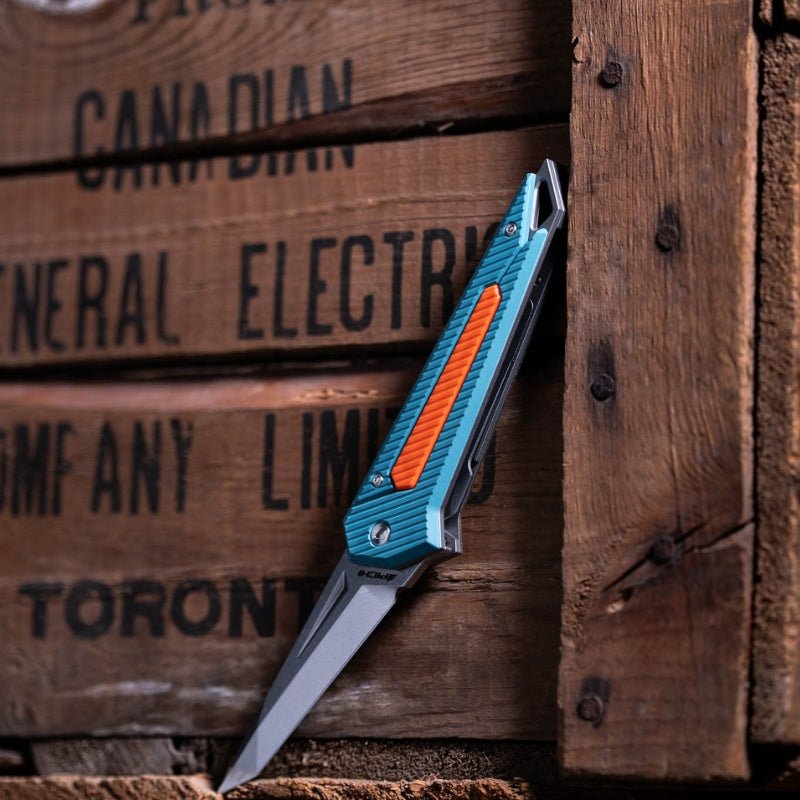
For most people, a folder is the best first EDC knife because it’s:
- More socially acceptable
- Easier to carry
- More common under legal limits
A small fixed blade can be awesome for certain work environments, but it raises legal/carry questions and needs a sheath system you actually like.
If you’re unsure, start with a folder.
A Simple “First EDC Knife” Buying Framework (So You Don’t Overthink)
If you want the easiest path to a great first knife, follow this:
1) Blade length: 2.75–3.25″
2) Blade shape: Drop point (or wharncliffe if mostly boxes)
3) Steel: 14C28N, 154CM, S35VN, or S45VN
4) Lock: Button lock or crossbar lock (easy), or frame/liner lock (classic)
5) Handle: Choose comfort first; titanium if you want premium minimalist carry
6) Clip: Deep-carry if you want it discreet
7) Finish: Stonewashed for low-maintenance wear
That’s it. Everything else is preference.
Common Beginner Mistakes (And How to Avoid Them)
Mistake #1: Buying a knife that’s too big
Big knives are fun at home and annoying in the pocket.
Fix: stay around 3″.
Mistake #2: Prioritizing “cool” over carry comfort
If it’s uncomfortable, you’ll stop carrying it.
Fix: prioritize weight, thickness, and clip design.
Mistake #3: Overpaying for steel you can’t maintain
A super steel is pointless if you never sharpen it properly.
Fix: pick a balanced steel and learn basic sharpening later.
Mistake #4: Ignoring the lock ergonomics
If closing it feels unsafe, you’ll avoid using it.
Fix: choose a lock that keeps fingers out of the blade path (button/crossbar) or a very well-executed liner/frame lock.
Minimalist Titanium EDC: What to Look For Specifically
Since your context is “crafted from premium titanium, minimalist EDC tool, style + practicality,” here’s what matters most in that lane:
1) Good ergonomics despite minimal design
Some minimalist titanium knives look great but feel like holding a metal ruler.
Look for:
- Chamfered edges (rounded comfort)
- A neutral handle shape
- Enough grip texture or milling
2) A reliable frame lock (if it’s a titanium folder)
A good frame lock in titanium can feel rock-solid.
Bonus points if it has:
- Steel lock insert (reduces wear and stick)
- Overtravel stop (prevents lock bar from being pushed too far)
3) A finish that won’t make you baby it
Stonewashed titanium is basically the uniform of minimalist EDC because it hides the reality of daily carry.
4) A deep-carry clip (preferably titanium too)
A good clip makes the difference between “I carry it daily” and “it stays on my desk.”
How Much Should You Spend on Your First EDC Knife?
Here’s the honest breakdown:
Under $40
- Fine for basic use
- You’ll learn what you like
- But quality can be inconsistent
$40–$100 (best value zone)
- Tons of great options
- Better locks, better heat treat, better fit/finish
- Usually the sweet spot for first-time buyers
$100–$250 (premium EDC zone)
- Better materials (titanium, higher-end steels)
- Cleaner action, better ergonomics, nicer finishing
- The “buy once, carry forever” range for many people
$250+
- Enthusiast territory
- Often worth it, but not necessary for your first
If you want a minimalist premium titanium tool that blends style and practicality, you’re likely shopping in the $120–$250 range—and that’s completely reasonable if you’ll carry it daily.
Maintenance 101 (Keep It Simple)
You don’t need a full workshop.
Basic care:
- Wipe the blade after food or moisture
- A tiny drop of lubricant on the pivot occasionally
- Tighten screws if needed (don’t overdo it)
- Touch up the edge before it gets totally dull
Sharpening (the beginner path)
If you want the easiest learning curve:
- Start with a simple guided sharpener, or
- Use a ceramic rod for touch-ups
Even a great knife feels terrible when it’s dull. Sharp fixes everything.
Quick Checklist: What to Verify Before You Click “Buy”
- Blade length fits your local laws
- Comfortable handle (no sharp edges/hot spots)
- Lock feels safe and easy to close
- Pocket clip placement suits you (tip-up is common)
- Steel choice matches your maintenance habits
- Knife weight won’t annoy you daily
- The design is something you’ll actually carry in public
Let’s Wrap Up
Choosing your first EDC knife is really about one thing: getting a tool you’ll actually carry.
If you want the simplest winning formula, go with a ~3″ drop point folder, a beginner-friendly lock, and a steel that’s easy to live with.
And if your taste leans minimalist—especially if you like the idea of a premium titanium carry piece—prioritize comfort details (rounded edges, good clip, solid lock) so it’s not just stylish, but genuinely practical.
If you share your budget, location (for legality), and what you’ll cut most often, I can recommend a few specific “first EDC knife” profiles that fit perfectly.
READ MORE: trendyber.com
Recommended for you
 Huega House Review: Is This the Premium Headwear Brand You’ve Been Looking For?
 Why Athletes Are Switching to Salt Athletic Gear Bags
 How Salt Athletic Helps You Get Rid of Smelly Cleats for Good
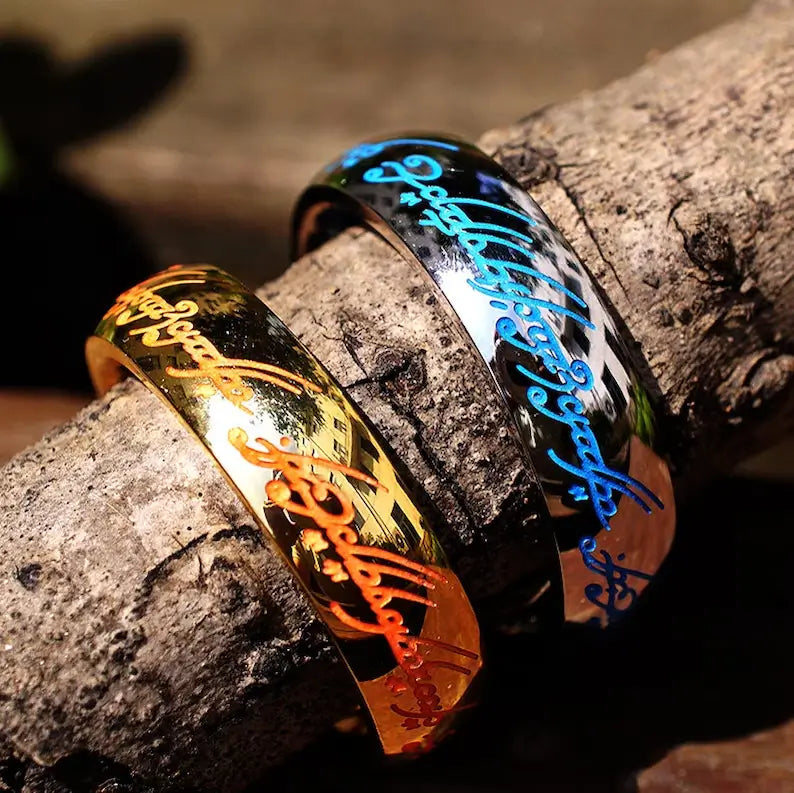 Of Elven Make: The Go-To Brand for Enchanting Accessories
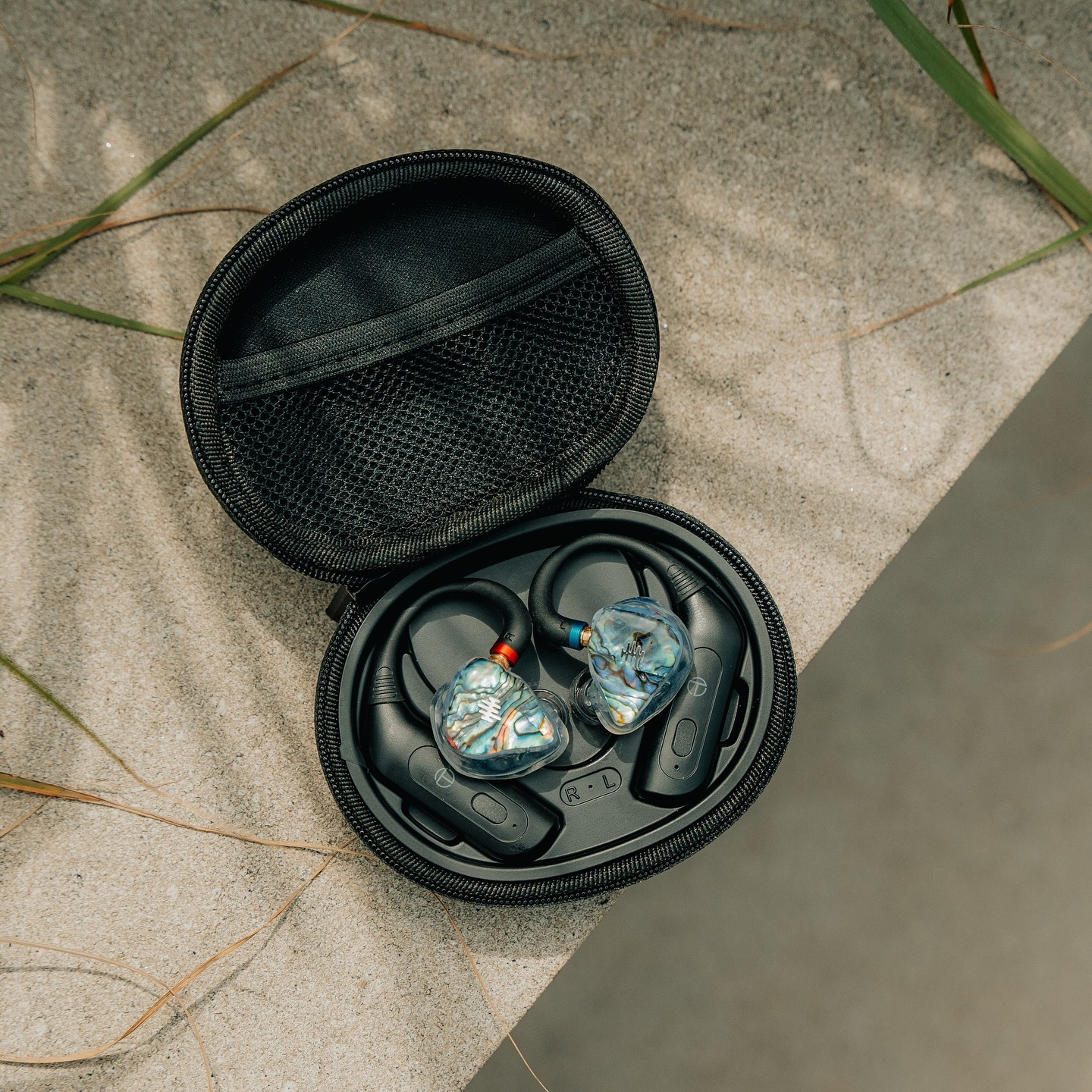 From Standard Earbuds to Custom Sound: How WAVS Custom Helps You Hear Better (And Work Better)
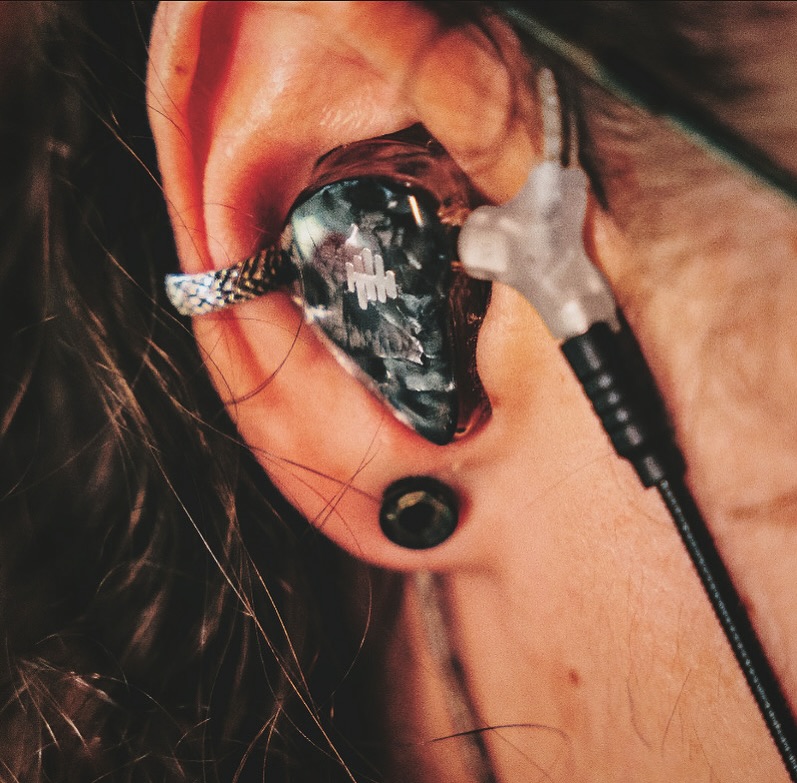 Why Custom-Fit Earphones Change Everything: A Deep Dive Into WAVS Custom IEMs