Why Custom-Fit Earphones Change Everything: A Deep Dive Into WAVS Custom IEMs
Custom-fit earphones aren’t “nice-to-have.” Here’s what changes (fit, seal, bass, comfort) in this hands-on WAVS Custom IEMs review.
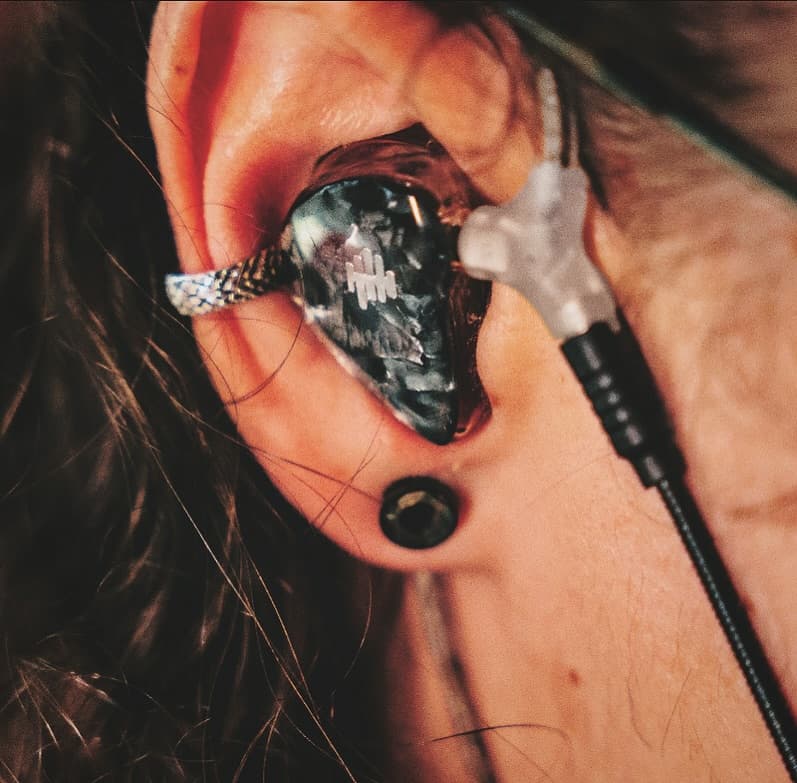
The real problem with regular earphones (it’s not the sound)
- The real problem with regular earphones (it’s not the sound)
- What “custom-fit” actually means, in plain terms
- So why do custom-fit earphones change everything?
- Where WAVS Custom IEMs fit into this
- Who should even consider WAVS Custom IEMs?
- The custom IEM ordering process (what it’s really like)
- How to tell if your custom fit is actually correct
- What custom IEMs do not fix (important)
- Tips to get the best experience with WAVS Custom IEMs
- The “is it worth it” question (the honest version)
- FAQ: WAVS Custom IEMs and custom-fit earphones
I used to think “good earphones” were just… good earphones. Then I discovered Wavs Custom and realized how much difference quality makes.
Like, you buy a pair with decent reviews, you tip roll for a weekend, you decide foam is “warmer” (whatever that means), and then you move on with life.
Then I tried customs.
And yeah, it kind of ruins you. In a good way. But also in an annoying way, because you suddenly notice everything that feels off about normal earbuds. The fit. The seal. The way bass disappears when you smile or chew. The little pressure points. The constant micro adjustments like you are trying to solve a puzzle in your ear.
Custom-fit IEMs are one of those upgrades that don’t look dramatic in a photo. It’s not like buying a giant speaker or a new TV. But the second you put them in, you get it. The entire experience shifts.
This article is a deep dive into that shift, and specifically into WAVS Custom IEMs. What custom-fit actually changes, what it doesn’t, what you should know before ordering, and how to think about them if you are a musician, a casual listener, or someone who just wants music to feel… effortless.
The real problem with regular earphones (it’s not the sound)
Most people chase sound signatures.
More bass. More detail. Wider soundstage. Less treble glare. The usual stuff.
But honestly, the biggest limiter for most in-ear listening is fit and seal. Not the driver.
A “great” IEM with a bad seal can sound thin, harsh, and weirdly distant. And a mid IEM with a perfect seal can sound shockingly full and satisfying. This is why reviews are so confusing sometimes. People are not hearing the same thing, because their ears are not the same shape.
Here’s what tends to happen with universal fit earphones:
- You get a seal, but it’s not stable. It breaks when you move.
- One ear seals better than the other, so the balance feels off.
- You keep pushing them in, which changes the sound every time.
- Pressure builds up, so you pull them out slightly, which breaks the bass.
- Long sessions turn into little aches you tolerate because you like the music.
And if you are a performer, drummer, vocalist, FOH person, worship team member, anyone on stage… it’s worse. Movement is constant. Sweat happens. Cables snag. You need isolation to protect your hearing and hear your mix. Universal tips can work, but they are always a compromise.
Custom IEMs are basically the anti compromise.
What “custom-fit” actually means, in plain terms
Custom IEMs are built from impressions or 3D scans of your ear canals and outer ear shape. So the shell is literally molded to your anatomy.
Not “kinda fits most people.” It fits you.
When you insert a proper custom, it sort of locks in. Not painfully. Just secure. You don’t wedge it. You don’t twist it for five minutes. It seats, seals, and stays put.
That seal is the whole game.
Because once the seal is consistent, the sound is consistent. Bass doesn’t vanish. Imaging doesn’t shift. You stop thinking about the earphones and you just listen.
And the isolation jumps up too, which is one of those benefits people underestimate until they experience it. Isolation is not just “nice.” It changes how loud you need to listen, how much detail you perceive at lower volume, and how fatigued you feel after an hour.
So why do custom-fit earphones change everything?
Let’s break it down without the marketing fluff.
1. The bass becomes real, not “sometimes”
With universal IEMs, bass is fragile. It depends on seal. A 1 millimeter leak can cut the low end dramatically.
Custom IEMs give you a stable seal, so bass is present all the time. Not boosted. Not necessarily more. Just… correct. Solid.
You stop chasing bass with EQ. You stop buying tips hoping the next one finally fixes it. You stop thinking your IEM “needs more sub bass” when the truth is it just needed a better fit.
2. Imaging gets sharper because the earphones aren’t moving
Small changes in insertion depth and angle can change how you perceive treble and upper mids. It’s a big deal. Especially with detailed monitors.
Customs sit the same way every time, so your brain gets a consistent reference. Over time, that consistency makes separation and positioning feel cleaner.
It’s not magic. It’s repeatability.
3. Isolation changes how you listen
This one is sneaky.
When outside noise drops, you don’t need to crank volume to “hear over” your environment. So you listen quieter, which reduces fatigue, which makes long sessions possible, which makes you appreciate detail more.
Also, if you commute, travel, or work in noisy places, customs can be a quality of life upgrade. Like, not in an audiophile way. In a mental calm way.
4. Comfort becomes… boring (in the best way)
There’s a moment with customs where you realize you stopped thinking about your ears.
No pressure points. No itching. No tip slowly working its way out. No “one side feels weird today.”
It’s just comfortable. And stable. And kind of forgettable.
That’s the goal.
Where WAVS Custom IEMs fit into this
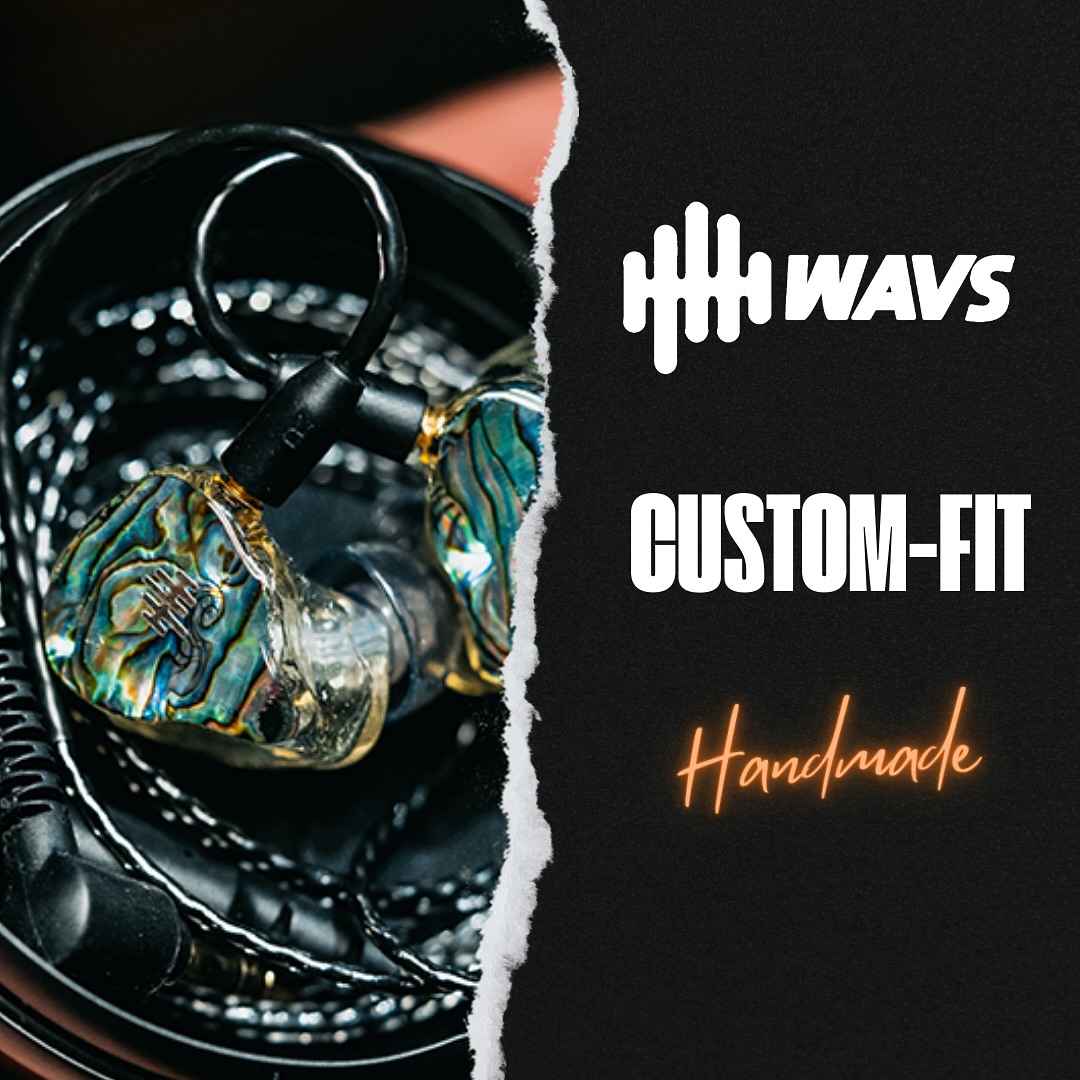
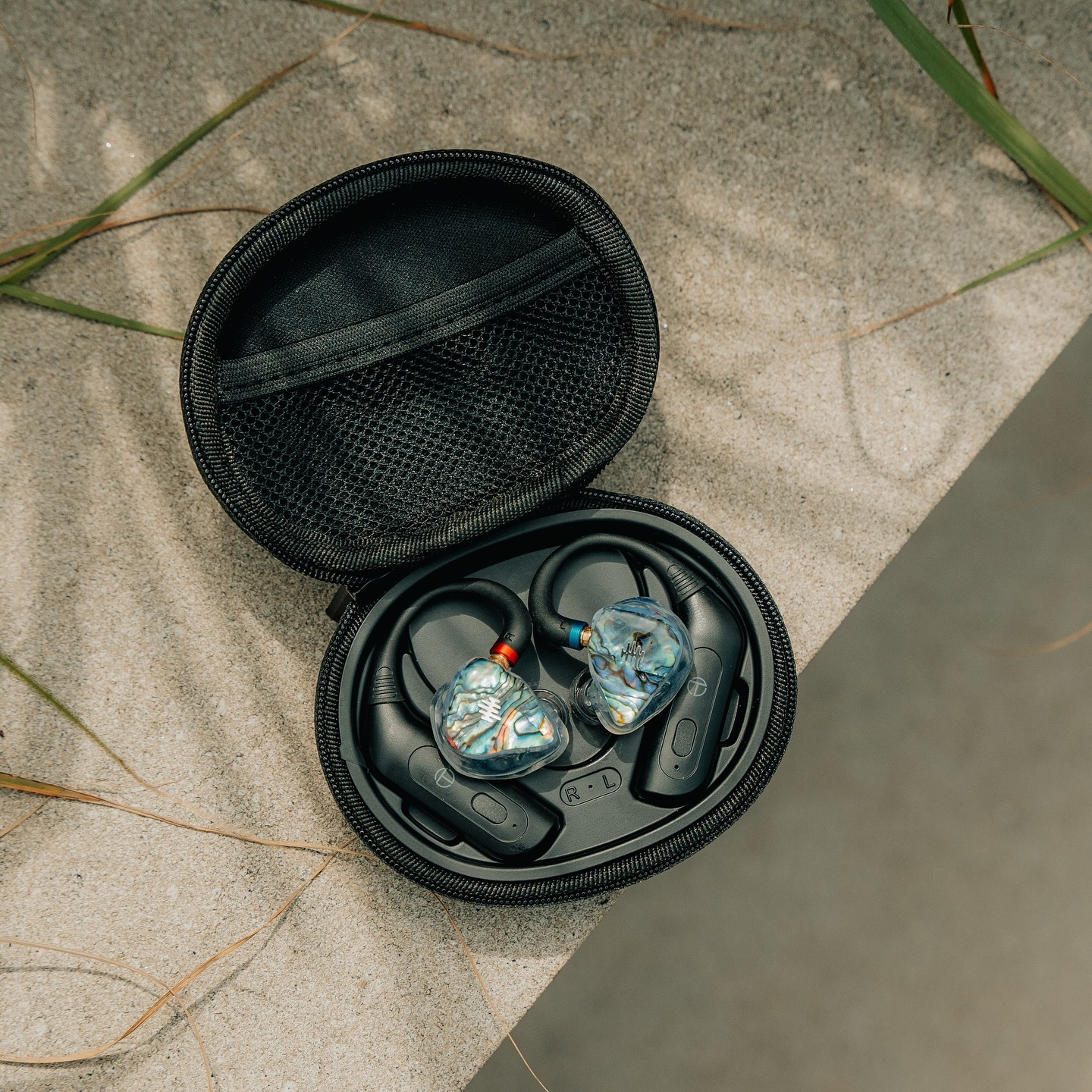
WAVS Custom IEMs are in that category of brands that focus on delivering the custom experience properly. The shell fit, the build, the practical features that matter for real use, and the tuning options depending on what you need them for.
And I want to be careful here. Because a lot of people talk about custom IEMs like they are all the same, or like price automatically equals “best.”
Not true.
What matters most, especially if you are new to customs, is:
- Fit accuracy and refit policy
- Build quality and durability
- A tuning that matches your use case (stage monitoring vs casual listening)
- Sensible choices around isolation, comfort, and cable setup
- Good communication during the order process
WAVS is interesting because it sits right at the intersection of “real world usage” and “audio nerd expectations.” The goal is not just pretty shells, it’s a monitor you can rely on.
And yes, the custom aesthetic is part of it. Because once you go custom, you kind of want them to feel like yours. It’s part of the fun.
Who should even consider WAVS Custom IEMs?
This is where people overthink things. You don’t have to be a touring musician to justify customs.
Here are a few profiles where customs make a ton of sense.
Musicians and performers
If you play live, customs are one of the best investments you can make, not just for sound but for hearing health and consistency.
You get:
- Reliable isolation
- A stable mix reference
- Less stage bleed
- Less volume temptation
And if you are a vocalist, a good seal is basically non negotiable. You cannot sing confidently if your monitoring is shifting around.
Audio engineers and producers
If you work with sound, customs can become a trusted reference. Not a replacement for speakers, but a consistent tool that always fits the same and isolates you from the room.
Frequent travelers, commuters, remote workers
Custom isolation plus comfort is a combo that makes flights and long workdays easier. You can listen quietly and still hear detail. Also, it is just nice to have something that doesn’t hurt after 90 minutes.
People with “weird ears”
Some people just struggle with universals. Tips don’t seal. One ear canal is different. Everything falls out. If that’s you, customs can feel like relief.
The custom IEM ordering process (what it’s really like)
If you have never ordered customs, it sounds intimidating. It’s not hard, but there are a few steps that matter.
Step 1: Ear impressions or 3D scans
Most custom IEM workflows start with ear impressions from an audiologist, or sometimes 3D scanning if available.
This is the part you do not rush.
Bad impressions = bad fit = sadness.
You want deep, accurate impressions. Ask the audiologist if they regularly do impressions for IEMs, not just hearing aids. There’s a difference. Bring the brand’s impression guidelines if WAVS provides them (they usually do). Follow them.
Step 2: Pick your configuration
This is where people get caught in the driver count trap.
More drivers can help, but it’s not automatically better. The tuning matters more than the number.
Think about what you actually want:
- Stage monitoring with strong mids for vocals?
- Punchy low end for drums and bass?
- Balanced listening across genres?
- Smooth treble for long sessions?
WAVS typically positions their customs as purpose built monitors. Choose based on your use, not on bragging rights.
Step 3: Shell design and options
This is the fun part and also the part you can overcomplicate.
Keep it simple if you want. Or go full custom art. Either way, remember the main point. Fit first. Sound second. Looks third. But yes, looks still matter. You will own them for years if you treat them well.
Step 4: Build and delivery
There is usually a build time. Customs are handmade. That’s normal. Try not to panic refresh your email every day.
When they arrive, you do a fit check right away.
How to tell if your custom fit is actually correct
A correct fit feels secure and sealed, without pain.
Here are good signs:
- Bass sounds full at low volume
- Isolation is strong and consistent
- You can move your jaw without the seal breaking
- No sharp pressure points
- You can wear them for an hour without thinking about them
Bad signs:
- Hot spots that feel sore quickly
- One ear feels loose or leaks
- You need to push them in repeatedly
- Bass varies when you move
- You feel pressure in a way that doesn’t fade after a few minutes
Some mild “newness” feeling is normal at first. Your ears adapt. But pain is not normal. If something is wrong, contact WAVS and ask about a refit.
A good custom IEM company expects refits sometimes. Ears are weird, impressions vary, shipping happens. The real test is how they handle it.
What custom IEMs do not fix (important)
Custom IEMs are not a magical upgrade in every dimension. They are a massive upgrade in fit, seal, and consistency. That alone can make the sound feel better. But there are limits.
- If you don’t like the tuning, a perfect fit won’t change that.
- If you listen to badly mixed music, customs will not make it “good.” Sometimes it gets worse, because you hear more.
- If you want huge open back headphone soundstage, IEMs are still IEMs.
- If you hate having something in your ear canal, customs might not convert you. They are comfortable, but they are still in ears.
So yeah. Customs are amazing, but be honest about your preferences.
Tips to get the best experience with WAVS Custom IEMs
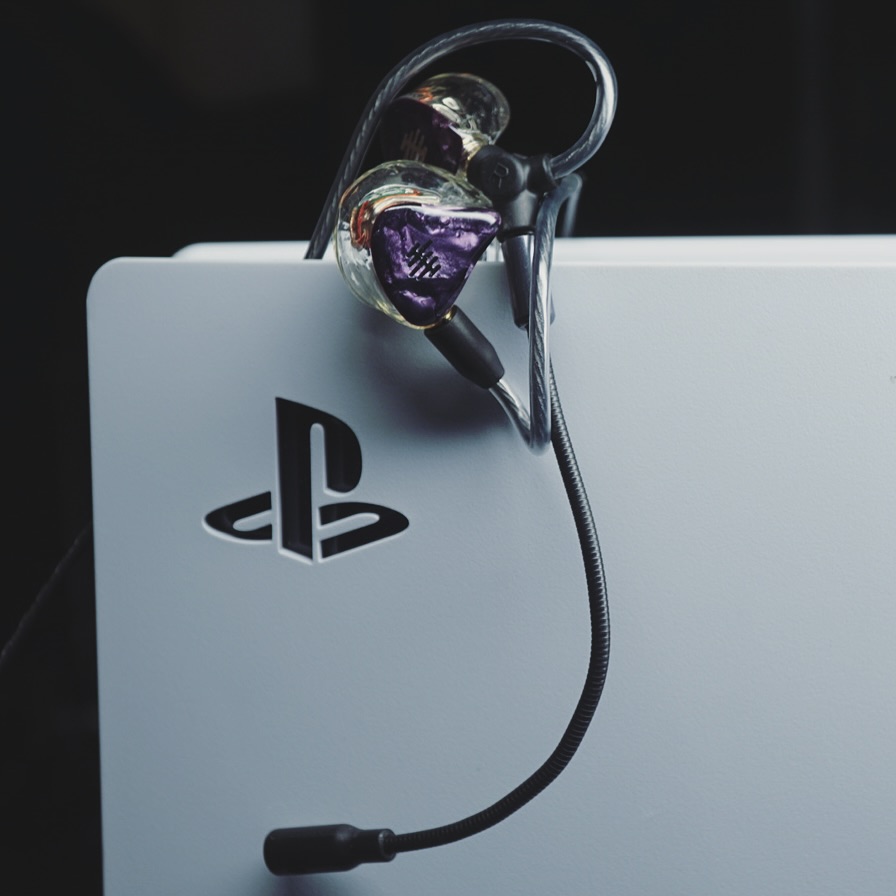
A few practical things that matter more than people admit.
Keep your ears clean (seriously)
Wax buildup changes the seal and can clog sound bores. Customs are precision fit. Treat them like it.
Learn the insert and remove technique
Don’t yank them out by the cable. Don’t twist aggressively. You will get a feel for it in a day or two.
Use a case and avoid pocket chaos
Custom shells can be durable, but they are not invincible. Protect the nozzles, keep them dry, don’t let them bounce around with keys.
If you are on stage, manage your cable
Over ear routing, shirt clip, whatever works. Stability is part of the advantage. Don’t ruin it with cable tugging.
Give your brain a few days
The first hour can feel strange, not because it’s bad, but because it’s different. The isolation, the seal, the way bass sits. Give it time before you judge.
The “is it worth it” question (the honest version)
If you are using earphones casually for 20 minutes a day in a quiet room, customs might be overkill. Universals can be great.
But if any of these are true:
- you listen for hours at a time
- you commute or travel a lot
- you struggle with universal fit
- you perform live
- you care about consistent sound
- you want lower volume listening without losing detail
Then yes, custom-fit earphones can be one of those purchases that you stop questioning pretty quickly.
WAVS Custom IEMs, specifically, make sense if you want that custom experience done properly, with a monitor you can treat as a daily driver. Not a delicate trophy. Something you can rely on.
And once you live with that kind of fit, it’s hard to go back. You try. Then you notice the tips again. The tiny leaks. The constant fiddling. And you are like… oh right. This is what I used to accept.
FAQ: WAVS Custom IEMs and custom-fit earphones
Are WAVS Custom IEMs only for musicians?
No. Musicians benefit a lot because of isolation and consistency, but anyone who wants comfort, stable seal, and reliable sound can use them. Long listening sessions and travel are big reasons too.
Do custom IEMs sound better than universal IEMs?
They can, but the biggest improvement is consistency. With a perfect seal, you hear the IEM as intended every time. That often feels like “better sound” immediately, especially in bass and imaging.
How long do custom IEMs last?
With normal care, several years. Cables are usually the first thing to replace. The shells can last a long time if you store them properly and keep the bores clean.
What if my WAVS customs don’t fit right?
Most reputable custom IEM companies have a refit process. If you feel pain, loose seal, or inconsistent isolation, contact WAVS quickly and describe the issue clearly. Fit problems are usually fixable.
Are ear impressions uncomfortable?
They are a little weird, not painful for most people. An audiologist injects impression material into your ear canal and it sets for a few minutes. The key is using an audiologist who knows IEM impressions.
Can I share custom IEMs with someone else?
Not really. They are molded to your ears. Someone else can maybe physically insert them, but the seal and comfort will be wrong, and it can even hurt.
Do custom IEMs block noise like active noise canceling?
They block noise through passive isolation, not electronics. The isolation can be excellent, especially for steady noise, but it is a different feel than ANC. Many people prefer it because there is no pressure sensation from ANC.
Will customs make my ears feel “plugged”?
At first, maybe. The seal is stronger than most universal tips. Many people adapt quickly. If the plugged feeling comes with pain or pressure that doesn’t fade, that can indicate a fit issue.
Should I choose a “more drivers” model to be safe?
Not automatically. Choose based on your use case and tuning preference. Driver count is not a direct measure of quality. A well tuned simpler setup can beat a poorly tuned high driver one.
Are WAVS Custom IEMs good for working out?
They can be, because they are secure. But sweat and moisture management matters. Wipe them down after use, store them dry, and avoid leaving them in a hot bag. If you work out daily, consider how hard you are on gear.
Do I need a special audio source or amp?
Not always. Many IEMs run fine from a phone or dongle, but a clean source can help with noise and headroom. If you hear hiss, you may want a better dongle DAC or lower noise source.
Check it out here: trendyber.com
Recommended for you
 Huega House Review: Is This the Premium Headwear Brand You’ve Been Looking For?
 Why Athletes Are Switching to Salt Athletic Gear Bags
 How Salt Athletic Helps You Get Rid of Smelly Cleats for Good
 Of Elven Make: The Go-To Brand for Enchanting Accessories
 From Standard Earbuds to Custom Sound: How WAVS Custom Helps You Hear Better (And Work Better)
 Ultimate Guide to Choosing Your First EDC Knife