Hobibear Review 2026: Are These Barefoot Shoes Worth It?
A Hobibear review of the Agave 2.0 and Hollow 2.0 barefoot shoes — sizing, fit, wide-toe-box design, and who should (and shouldn't) order a pair.
How barefoot shoes like Hobibear work
- How barefoot shoes like Hobibear work
- Hobibear sizing and fit
- Insider tips for first-time barefoot shoe wearers
- Classic mistakes to avoid when switching to barefoot shoes
- Hobibear review: Agave 2.0 and Hollow 2.0
- Hobibear vs other barefoot shoe brands
- Alternatives to consider
- Barefoot shoe buying guide: what to look for
In this Hobibear review, we break down whether the Agave 2.0 and Hollow 2.0 barefoot shoes actually fit like they promise, how sizing runs, and who should — and shouldn't — order a pair from Hobibear.de.
Key Highlights
- Hobibear makes two current barefoot models: the low-top Agave 2.0 and the high-top Hollow 2.0.
- Both models use a wide toe box designed for natural toe spreading, sizes 37–47 (EU).
- Hobibear shoes run small — check the size chart before ordering, the same rule we apply in our cargo pants guide.
- Wide-toe-box barefoot shoes are linked to reduced joint pressure and stronger intrinsic foot muscles in published research.
- A gradual transition period matters more than the shoe itself when switching to minimalist footwear.
Solid, affordable entry into barefoot shoes if you order a half size up
Hobibear's Agave 2.0 and Hollow 2.0 both deliver the core barefoot promise — a wide toe box and flexible sole — at a lower cost than premium minimalist brands. They're a reasonable pick for shoppers new to barefoot footwear who want to try the category without a big upfront commitment, as long as they size up and transition gradually.
Check current priceHow barefoot shoes like Hobibear work
Barefoot (or minimalist) shoes are built around a wide toe box, a thin flexible sole, and little to no arch support — the opposite design philosophy of a cushioned running shoe. The idea is to let the foot move and flex as it would unshod, rather than propping it up.

The theory has real evidence behind it. A Scientific Reports study comparing minimally-shod and conventionally-shod populations found that people who habitually wear minimal footwear have foot strength comparable to those who go habitually barefoot — noticeably stronger than people who wear conventional cushioned shoes. Stronger intrinsic foot muscles help stabilize the arch and improve overall foot mechanics over time.
Toe box shape matters just as much as sole flexibility. Research on foot biomechanics has found that wide-toe-box shoes let toes spread to their natural width, reducing pressure on the big toe joint and, in clinical studies of women with hallux valgus, significantly decreasing peak pressure on the joint most affected by bunion formation. Hobibear markets that same toe-spreading goal for both the Agave 2.0 and Hollow 2.0, though the brand itself makes no bunion-pressure claim.
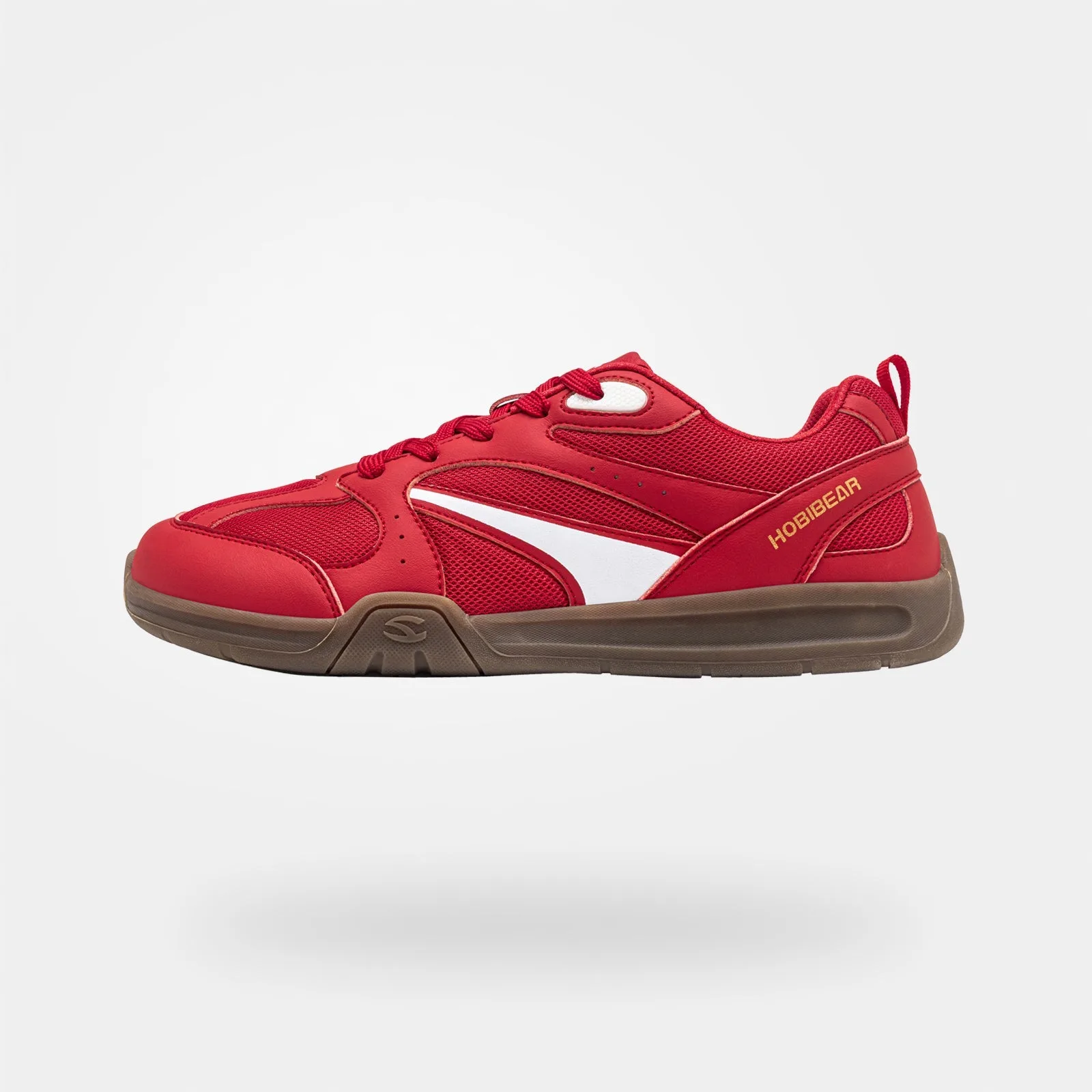
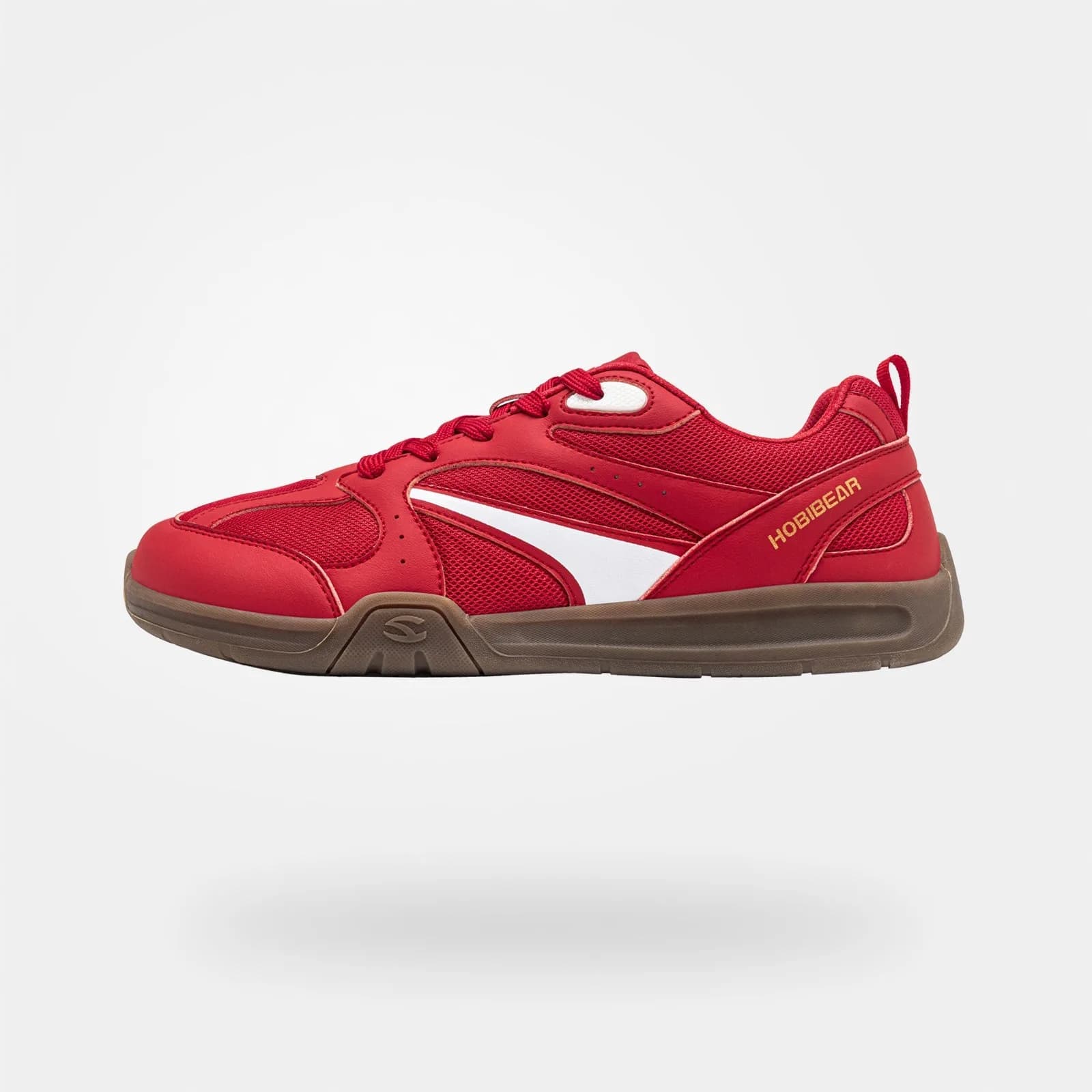
Hobibear Agave 2.0
Wide toe box, flexible sole, and a non-slip tread in five colorways — a low-commitment way to try barefoot shoes.
View on Hobibear.deHobibear sizing and fit
The single most common complaint about barefoot shoes in general — and Hobibear specifically — is sizing. Hobibear's own product listings for both the Agave 2.0 and Hollow 2.0 flag that the shoes run small, so checking the brand's size chart before ordering is not optional.
- Measure your foot length in centimeters, not just your usual shoe size.
- Compare that measurement against Hobibear's EU size chart (available sizes span 37–47 for both models).
- When your measurement falls between two sizes, size up rather than down — a barefoot shoe that's slightly loose is far more comfortable than one that compresses the toe box.
- Try the shoes indoors on carpet first so you can size-check without committing to outdoor wear.
Both models use an adjustable fastening system, which gives you some room to compensate for a slightly large fit — but there's no fix for a pair that's genuinely too small for a wide toe box shoe to do its job.
Insider tips for first-time barefoot shoe wearers
Switching from a cushioned, structured shoe to a minimalist one is a bigger adjustment than most first-time buyers expect, regardless of brand. According to a Cleveland Clinic podiatrist, minimalist shoes can increase intrinsic foot muscle thickness and help stabilize the arch, but experts recommend a gradual transition — starting with 15 to 30 minutes of daily wear and increasing by about 15 minutes each week to let the feet adapt.
- Wear your new Hobibear shoes around the house before taking them outside for a full day.
- Expect calf and arch soreness in the first week or two — that's the muscle-strengthening process the research describes, not a defect.
- Rotate with your old shoes during the transition period rather than switching over completely on day one.
- Pay attention to any sharp pain (as opposed to normal muscle fatigue) and back off the wear schedule if it appears.
Classic mistakes to avoid when switching to barefoot shoes
Most negative reviews of barefoot shoes — Hobibear included — trace back to one of a few avoidable mistakes rather than a flaw in the shoe itself.
Ordering your normal shoe size
Because barefoot shoes run small as a category, and Hobibear explicitly says so, ordering your usual size is the number one cause of a poor first impression. Always size against the chart, not your memory of past purchases.
Skipping the adaptation period
Wearing a minimalist shoe all day, every day, from the first wear risks the exact stress injuries that experts warn can develop without proper padding and support during the transition period, including stress fractures and Achilles tendinitis. A slow ramp-up isn't optional caution — it's the difference between adapting well and getting hurt.
Ignoring existing foot conditions
If you have a diagnosed foot condition, plantar fasciitis history, or diabetes-related nerve concerns, talk to a podiatrist before switching to any minimalist shoe, Hobibear included. Barefoot shoes are not a universal fit for every foot.
Hobibear review: Agave 2.0 and Hollow 2.0
Here's a closer look at both current Hobibear models, based on the brand's published specifications.

Hobibear Agave 2.0
What We Like
- Wide toe box built for natural toe spreading
- Breathable, lightweight build suited to daily wear
- Widest color selection of the two models
What to Consider
- Sizing runs small — order a chart-checked size, not your usual size
- No published independent lab testing of sole durability
The Agave 2.0 is Hobibear's low-top model, built with a wide toe box, a flexible sole, and an adjustable fastening system across five colorways and sizes 37–47 (EU). It's the shoe to pick if you want a barefoot everyday sneaker rather than a boot-style silhouette.
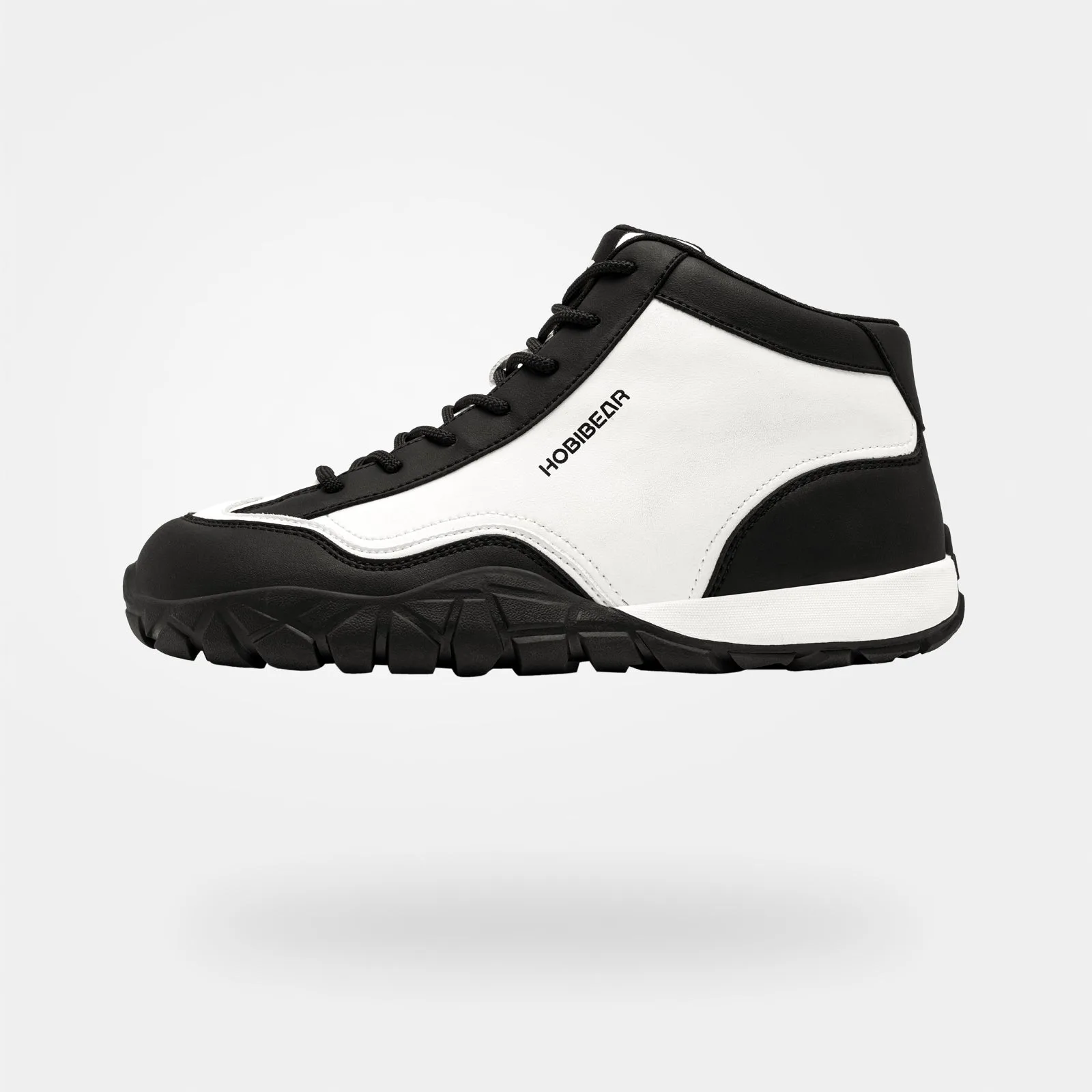
Hobibear Hollow 2.0
What We Like
- Same wide toe box philosophy as the Agave 2.0, plus ankle coverage
- Added midfoot stability for daily wear and leisure activities
- Adjustable fastening for a customizable fit
What to Consider
- Fewer color options than the Agave 2.0
- High-top collar means slightly less breathability than the low-top model
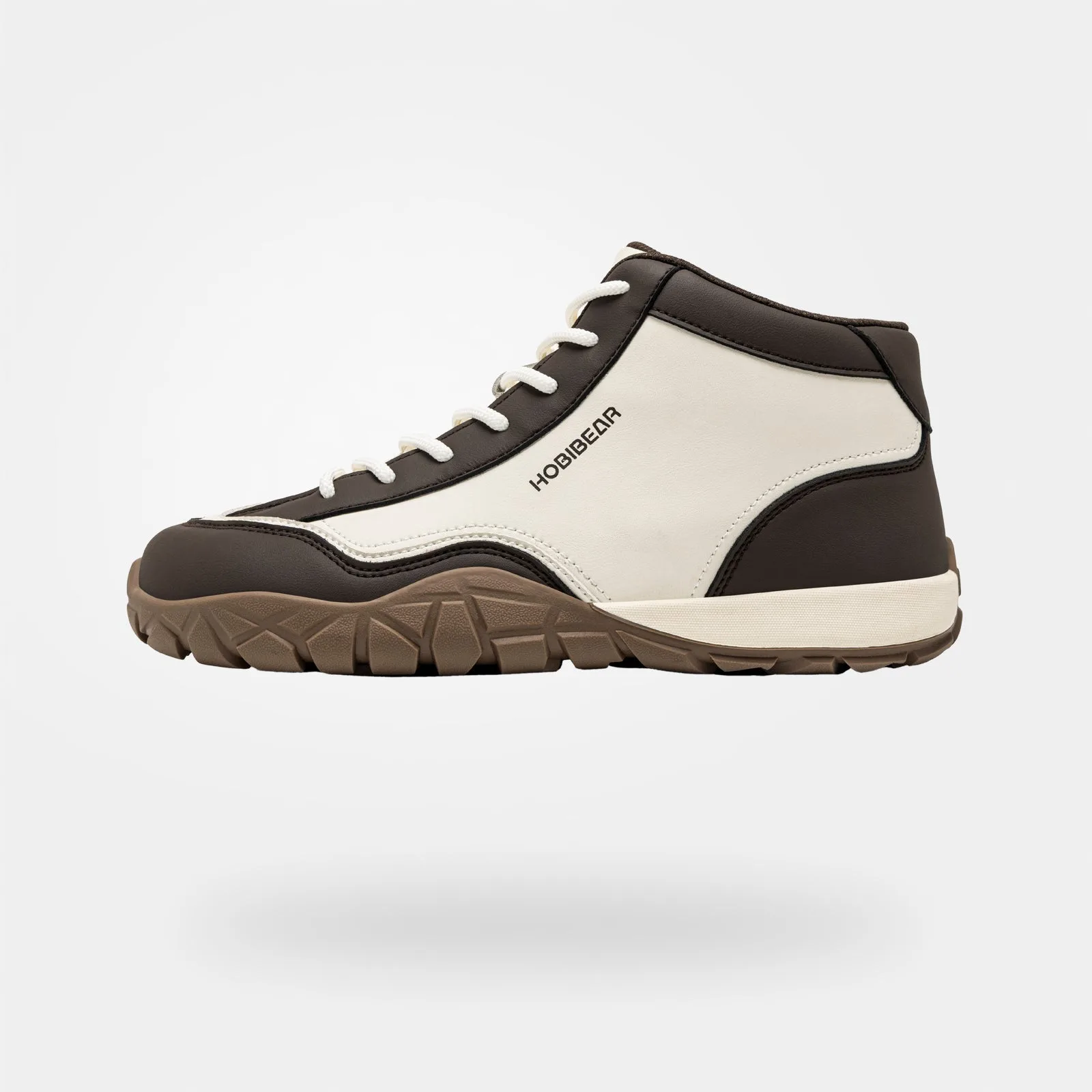
The Hollow 2.0 is Hobibear's high-top model — the same wide-toe-box, flexible-sole design as the Agave 2.0, with an ankle collar added for extra midfoot coverage and stability. It comes in four colorways across sizes 37–47 (EU) and suits shoppers who want more structure around the ankle without giving up the barefoot feel.
Hobibear vs other barefoot shoe brands
Neither Hobibear model has publicly available third-party lab data on sole flexibility or long-term durability, so this comparison focuses on the design attributes the brand itself publishes rather than unverifiable performance claims.
| Model | Style | Sizes | Best for |
|---|---|---|---|
| Hobibear Agave 2.0 | Low-top | 37–47 EU | Everyday barefoot sneaker, most color choice |
| Hobibear Hollow 2.0 | High-top | 37–47 EU | Ankle support with the same wide toe box |
| Traditional cushioned sneaker | Varies | Brand-dependent | Wearers not looking to change foot mechanics |
Alternatives to consider
Barefoot shoes aren't the right fit for every wardrobe or every occasion. If you need something more structured for dressier settings, our guide to Sparrods & Co's handcrafted leather shoes covers a very different, more traditional silhouette worth comparing against a minimalist pick like Hobibear before you decide which category fits your daily routine.
Barefoot shoe buying guide: what to look for
Toe box width
The toe box is the single feature that separates a real barefoot shoe from a shoe that's merely marketed as minimalist. Look for a toe box wide enough that your toes can spread flat and don't feel pinched at the widest point of your foot.
Sole flexibility
A true barefoot sole should fold and twist easily by hand. If a "minimalist" shoe's sole feels stiff when you flex it, it's likely still restricting natural foot movement despite the marketing.
Sizing transparency
Because barefoot shoes vary widely in fit across brands, a published size chart (like Hobibear's) is a good sign the brand understands this is a common pain point for the category.
How We Chose
We reviewed Hobibear's current catalog and compared each model's published specifications, sizing data, and design philosophy against independently published research on barefoot and wide-toe-box footwear. No claims about lab testing or clinical trials are made — none were supplied by the brand.
Pairing barefoot shoes with the right trousers matters more than most buyers expect — our guide to styling denim covers hems and cuts that suit a low-profile sole.
Our verdict
This Hobibear review comes down to one trade-off: you get a genuinely wide toe box and flexible sole at an accessible entry point into barefoot footwear, but you have to size up and commit to a gradual break-in period to get there. The Agave 2.0 is the better starting point for most first-time buyers thanks to its low-top comfort and wider color range; choose the Hollow 2.0 if you specifically want ankle coverage. Skip Hobibear if you have an existing foot condition and haven't cleared minimalist footwear with a podiatrist first.
Check current price on Hobibear.deReferences
This article is for general informational purposes and is not medical advice. If you have an existing foot, joint, or circulatory condition, consult a podiatrist before switching to barefoot or minimalist footwear. Trendyber may earn a commission if you purchase through the links on this page, at no extra cost to you.
Recommended for you
 Do Crystal-Infused Shoes Actually Work? Citrine Footwear Guide
 How to Choose Grounding Shoes in 2026: Materials, Fit & Crystals
 How to Wear Grounding Sneakers: 5 Outfit Ideas (2026 Guide)
 CTRNE Review 2026: Are Citrine Crystal Sneakers Worth £150?
 Grounding Sneakers 2026: Best Earthing Shoe Guide & Facts